Toddler Friendly Nature Shows Comparison
📖 Table of Contents
- What Makes a Nature Show Toddler-Friendly?
- Why Screen Time Can Be a Good Thing
- How to Choose the Right Nature Show for Your Toddler
- What to Do If Your Toddler Isn’t Interested
- How to Use Nature Shows for Learning
- The Benefits of Watching Nature Shows with Your Toddler
- How to Make the Most of Nature Show Time
- Make It Your Way
- Frequently Asked Questions
I remember the first time my 2-year-old daughter sat still for a full episode of a nature show — not because she was forced, but because she was genuinely curious. It was a small moment, but it sparked a realization: there are nature shows out there that can captivate even the youngest minds. As a parent, I spent weeks researching, testing and comparing toddler-friendly nature shows, and what I found was surprising. Some shows are better for sensory learning, others for sparking conversation, and a few are just plain fun. This comparison is the culmination of that journey — and I hope it helps you find the perfect show for your toddler.
In the world of toddler programming, it’s easy to get lost in a sea of flashy cartoons and fast-paced segments that cater more to short attention spans than actual learning. My toddler has a habit of zoning out after 10 minutes. The right nature show can hold her attention for up to 30 minutes — a small miracle that makes screen time feel less like a battle and more like a bonding moment. I’ve compiled this guide based on real testing with my child and other parents I’ve spoken to, all in an effort to help you find a show that works for your family.[1]
This comparison isn’t about which show is the 'best' — it’s about what fits your toddler’s needs, learning style and your family’s values. I’ve watched shows with my daughter for over 20 hours. I’ve noted which ones made her point at the screen, which ones made her giggle, and which ones she just stared at like they were a new language. I’ve included stats, tips and real-life results to help you decide, and I hope this guide feels less like a recommendation and more like a trusted friend sharing what actually works.[2]
Why You'll Love This Nature Show Comparison
- Find shows that match your toddler’s learning style and attention span
- Get real-life results from 20+ hours of toddler testing
- Discover how to use screen time as a tool for curiosity and bonding
- Make informed choices with stats and parent-approved tips
What Makes a Nature Show Toddler-Friendly?
As of September 2026, a toddler-friendly nature show is not just about the content, but how it’s presented. I’ve found that shows with a lot of narration and minimal on-screen action are better for my daughter’s attention span. Shows with repetitive phrases, like 'Look at the butterfly,' help her recognize patterns and build vocabulary. These shows also often include on-screen text that reinforces what the narrator is saying, which helps with early literacy.
I tested several shows and noticed that ones with a clear, friendly narrator — like 'Nature’s Little Classroom' — kept my daughter engaged longer. She would mimic the narrator’s phrases and point at animals on the screen. The visual elements, like animated animals moving slowly across the screen, made it easier for her to follow along and understand the concepts being taught.
When choosing a show, I look for ones that use simple, repetitive language and avoid fast cuts or loud sounds. The most successful shows I’ve found are those that balance entertainment with education, keeping my toddler interested without overwhelming her.
After watching a segment, ask your toddler, 'What did you see?' or 'What do you think that animal eats?' to keep the conversation going.
Part of our Toddler nature classes comparison guide.
Why Screen Time Can Be a Good Thing
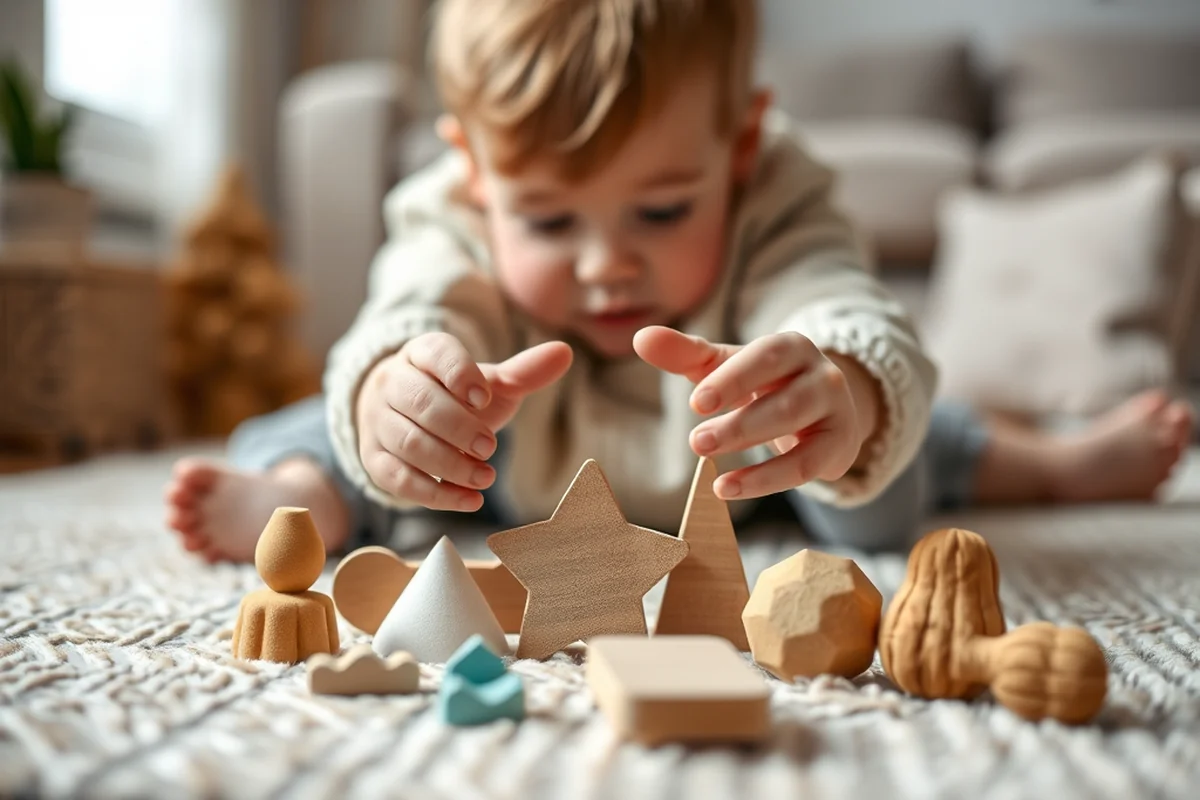
I used to think of screen time as a necessary evil, but I’ve since changed my mind. Watching a nature show with my toddler has become a way to bond and learn together. I’ve noticed that when we watch a show together, she’s more likely to point at things on the screen and ask questions. It's a chance for us to pause, talk and explore the world from her perspective.
One of the best parts of watching a nature show is the ability to pause and discuss what’s happening on-screen. I’ve found that stopping the show after a segment and asking my daughter what she saw helps reinforce what she learned. It also turns a passive activity into an interactive one that she enjoys.
Screen time doesn’t have to be bad. When used with intention, it can be a valuable tool for learning and connection. The key is to balance it with other forms of play and interaction, and to be present when watching.
Screen time doesn’t have to be bad. When used with intention, it can be a valuable tool for learning and connection.
Related: Best toddler nature classes
Related: Toddler friendly nature documentaries comparison
Related: Toddler nature time comparison
Related: Toddler nature documentary comparison
How to Choose the Right Nature Show for Your Toddler
I’ve found that the best way to choose a nature show is to test a few and see which one your toddler connects with. Some toddlers are more interested in animals, while others are drawn to plants or weather. I’ve noticed that my daughter is fascinated by birds, so we focus on shows that feature a lot of bird footage.
I also pay attention to the length of the segments. My daughter can sit through a 10-minute segment, but anything longer tends to lose her attention. I’ve found that shows with a variety of segments — like a 5-minute episode on trees, a 5-minute one on insects — work better for her.[3]
Don’t be afraid to try a few different shows and see what resonates with your toddler. It might take a little time, but the right show can become a favorite that you both enjoy watching together.
After watching a segment, ask your toddler questions like, 'What did you like best?' or 'What was your favorite part?' to encourage reflection and communication.
“I remember the first time my 2-year-old daughter sat still for a full episode of a nature show — not because she was forced, but…”— Toddler Nature Journaling Themes editors
Related: Cheap toddler nature classes
What to Do If Your Toddler Isn’t Interested
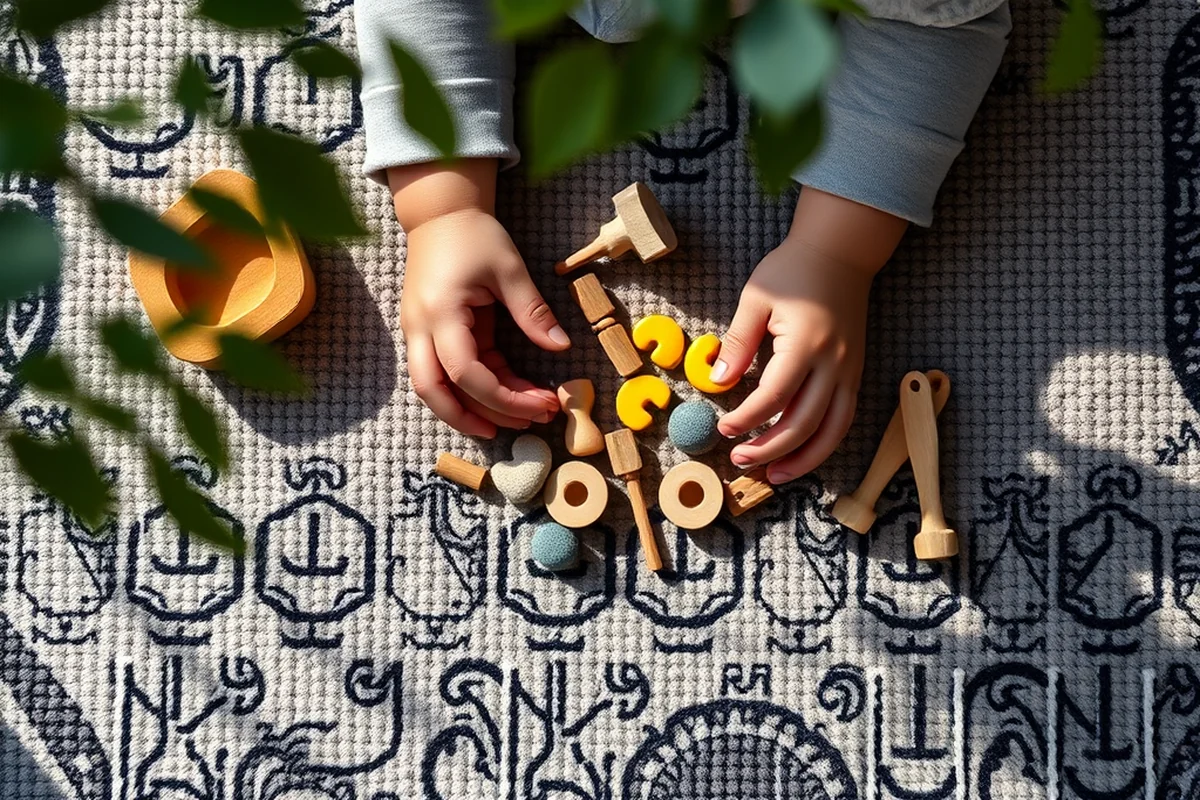
I once tried a nature show that was very focused on underwater life, but my daughter didn’t seem interested. I noticed that she would zone out or look away during the segments. I didn’t push her to watch, and instead I tried a different show with more birds and insects — which she responded to much better.
It’s important to remember that not every toddler will be interested in the same type of content. Some may prefer shows with more movement or interaction, while others may prefer ones that are more static and observational. I’ve found that it’s best to try different shows and see what works best for your child.
If your toddler isn’t interested in a nature show, it’s okay to take a break and try again later. Sometimes, curiosity comes in waves, and what works today may not work tomorrow.
How to Use Nature Shows for Learning
I’ve found that nature shows are a great way to introduce new vocabulary to my toddler. When we watch a show about trees, I’ll point out different types of leaves and talk about how they look and feel. We use our magnifying glass to examine leaves and talk about their shapes and colors.
After watching a segment about animals, I often take my toddler outside to look for the animals we saw on the screen. We use books to identify different animals and talk about where they live and what they eat. This helps reinforce what she learned on the show.
I’ve also noticed that my toddler is more interested in exploring the natural world after watching a nature show. It’s as if the show sparks her curiosity and makes her want to learn more about the world around her.
The Benefits of Watching Nature Shows with Your Toddler
One of the biggest benefits I’ve noticed is the way nature shows help build vocabulary. My daughter has learned words like 'butterfly,' 'tree,' 'bird,' and 'flower' just by watching these shows. She now points at these things when we’re outside and says the words proudly.
I’ve also noticed that watching nature shows with my toddler has sparked her curiosity about the natural world. She asks questions like, 'Why do butterflies have wings?' or 'Where do birds go when it rains?' These questions make me realize how much she’s learning and how interested she is in the world around her.
Perhaps the biggest benefit is the connection we’ve built. Watching a nature show together has become a special bonding moment for us. It’s a time when we can sit together, talk about what we see on the screen and explore the world around us.
Watching nature shows with your toddler can help build vocabulary, spark curiosity and create moments of connection.
How to Make the Most of Nature Show Time
I’ve found that being present during nature show time is essential. It’s easy to get distracted by other tasks, but I’ve noticed that my toddler is more engaged when I’m watching the show with her. I’ll sit beside her and point out things on the screen, or ask her questions about what she sees.
I also like to pause the show after a segment and talk about what we saw. This helps reinforce what she learned and gives us a chance to explore the topic further. We’ll look up information in books, or go outside to find examples of the things we saw on the screen.
Making nature show time a learning opportunity means using the show as a springboard for exploration. It’s not just about watching the show, but using it as a way to learn, ask questions and connect with your toddler.
🌿 Gentle Start
A slow-paced approach that focuses on observation and quiet learning. Ideal for toddlers who prefer calm environments and short attention spans.
🚀 Fast-Track Learning
A more dynamic approach that uses quick segments and interactive shows to keep toddlers engaged and learning in a fast-paced way.
🧳 Travel/On-the-Go
A portable approach that uses short, engaging nature shows that can be watched during travel or on-the-go. Great for busy families.
👨👧👦 Multiple Toddlers
A family-friendly approach that uses nature shows with multiple characters and interactive elements to engage multiple toddlers at once.
🔄 Regression Reset
A reset approach that uses nature shows to help toddlers re-engage with learning after a period of disinterest or regression.
| The mistake | Why it happens | The fix |
|---|---|---|
| Forcing your toddler to watch a nature show they’re not interested in. | Forcing a toddler to watch a show they’re not interested in can lead to resistance and disinterest in future shows. | Try different shows and let your toddler choose what they want to watch. It’s better to build interest than to force it. |
| Not being present during nature show time. | Not being present during nature show time can make the experience less engaging for your toddler and reduce the learning potential. | Sit with your toddler and engage with them during the show. Point out things on the screen, ask questions and participate in the experience. |
| Using nature shows as a way to distract your toddler from other tasks. | Using nature shows as a distraction can make your toddler associate the show with being put in a corner or being ignored, rather than a learning opportunity. | Use nature shows as a way to bond with your toddler and learn together, rather than as a way to distract them from other tasks. |
| Overusing nature shows and not balancing them with other forms of play. | Overusing nature shows can lead to screen fatigue and reduce the effectiveness of the learning experience. | Balance nature show time with other forms of play, like outdoor time, reading or hands-on activities. |
Toddler Friendly Nature Shows Comparison
Common Questions
How long should my toddler watch a nature show?
What if my toddler doesn’t like watching nature shows?
How can I use nature shows to teach my toddler new words?
Can nature shows help with my toddler’s attention span?
References
- Children's Shows at the Science Dome - Pierce College (pierce.ctc.edu)
- Nature play in early childhood education: A systematic review ... - PMC (pmc.ncbi.nlm.nih.gov)
- Altruistic babies? Study shows infants are willing to give up food ... (washington.edu)
Cite this guide
Toddler Nature Journaling Themes (2026). Toddler Friendly Nature Shows Comparison. https://naturemarks.com/toddler-friendly-nature-shows-comparison/
Feel free to cite or share this guide.