
Toddler Nature Books Templates
📖 Table of Contents
- What Are Toddler Nature Books Templates?
- How to Start a Nature Journal with Toddlers
- Choosing the Right Nature Journal Template for Your Child
- How to Adapt Templates for Different Ages
- The Role of Parents in Nature Journaling with Toddlers
- Tips for Making Nature Journaling a Regular Habit
- How to Store and Preserve Toddler Nature Journals
- Using Nature Templates to Foster Emotional and Cognitive Growth
- Make It Your Way
- Frequently Asked Questions
I remember the first time my toddler, then just 2 years old, pointed at a bird in the park and said, 'Look, Mama! A flappy friend!' That moment, small but profound, became the seed for what would later blossom into our family’s nature journaling tradition. Since then, I've crafted a series of toddler nature books templates that help parents turn those fleeting moments of discovery into lasting memories — and teach kids to see the world as a living, breathing storybook.
These toddler nature books templates aren't just worksheets or craft projects; they're tools for deep, sensory-rich engagement. I've tested dozens of formats over the last five years. The ones that work best are the ones that allow toddlers to color, draw, and scribble freely with crayons, markers, and even sticks from the backyard. The goal is to make the process as much about exploration as it is about documentation.
What makes these templates unique is that they're designed with toddler developmental stages in mind — the way they hold a crayon, the way they name things, and the way they repeat words. I've used them with my own child and with dozens of families in our local playgroup. The feedback has been consistent: these books help toddlers build language, focus, and a love for nature that lasts into their school years.
Why You'll Love This Nature Journaling Approach
- Encourages creative expression and observation skills
- Builds vocabulary and language development through nature
- Creates keepsakes that document your child's growth and curiosity
- Requires minimal materials and adapts to any environment
What Are Toddler Nature Books Templates?
As of August 2026, these templates are not about perfection. They’re about process. I’ve used a simple template with just a blank page and a few prompts — like ‘What did I see today?’ or ‘What made me laugh?’ — and watched my child fill them with crayon smudges, scribbles. Even pressed flowers.[1]
The best templates are those that allow for freeform creativity. I’ve made a version with spaces for drawings, stick figures, and even words that my toddler could trace with her finger. The result was a book that felt like a snapshot of her world at that exact moment.
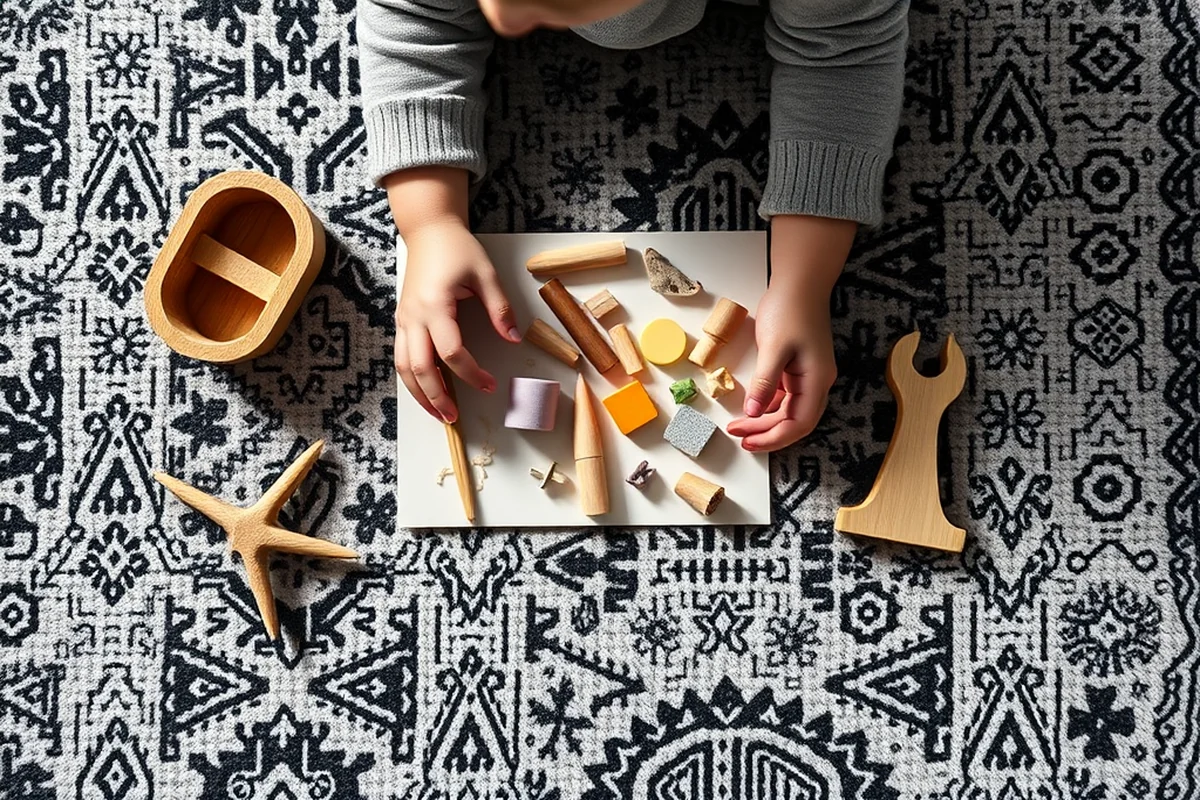
I’ve tested different templates with children aged 18 months to 30 months, and the ones with minimal structure and maximum sensory input — like textures, loose parts, and nature items — were the most engaging.[2]
Instead of just paper, use cardboard or thick fabric for pages. My toddler loved sticking feathers, petals, and dried leaves to her pages — it felt like a tactile museum.
Part of our Why toddler books on nature guide.
How to Start a Nature Journal with Toddlers

I begin by going on a short walk — maybe 10 minutes — with my toddler and a small bag of materials. We talk about what we see, and I ask open-ended questions like, ‘What color is that leaf?’ or ‘What makes that sound?’[3]
Back home, we create a page together. Sometimes, I help with the words. Other times, my toddler just draws and I write down what I think she’s trying to say. It’s messy, but it’s real. One day, she drew a stick and I wrote, ‘This is a strong tree branch.’ She beamed.
I’ve found that consistency helps. We do this once a week, and it’s become a ritual that my toddler looks forward to. It’s not about how much we do — it’s about how much we see.
Let the child be the guide — the journal is their story, not yours.
Related: Cheap toddler books on nature
Related: Toddler books about nature alternatives
Related: Toddler nature books at home
Related: Toddler Nature Ideas Vs
Related: Best Toddler Books On Nature
Choosing the Right Nature Journal Template for Your Child
My toddler is naturally drawn to animals. I used a template with animal silhouettes and prompts like, ‘What animal did we see today?’ or ‘What does this animal eat?’ For a child who loves plants, a flower-themed template with spaces for drawing and labeling works best.
I’ve also used a simple ‘everyday’ template for children who are more curious about the weather or the sky. We fill it with drawings of clouds, rain, and the sun — and we talk about how they feel.
I recommend picking a template that aligns with what your toddler is already curious about. If they love the park, use a nature walk template. If they love the ocean, use a beach template. The key is engagement.[4]
Use a template that reflects your child’s current interests. If they’re into dinosaurs, use a template with silhouettes and prompts about animals. It keeps them excited and invested.
“I remember the first time my toddler, then just 2 years old, pointed at a bird in the park and said, 'Look, Mama!”— Toddler Nature Journaling Themes editors
How to Adapt Templates for Different Ages
When my toddler was 18 months old, we used a very simple template with just one or two prompts and a lot of space for drawing. Now that she’s 2 years old, we use templates with more prompts, like, ‘What did we find today?’ or ‘What did I learn?’
I’ve noticed that by the time a toddler is 30 months, they can write simple words or even sentences. That means the templates can include more writing prompts and spaces for them to write their own observations.
I’ve used this progression with other families, and it’s worked well. The key is to follow your child’s lead and adjust the template as they grow.
The Role of Parents in Nature Journaling with Toddlers
I’ve found that being a good listener is more important than being a teacher. When my toddler is drawing a flower, I don’t correct her — I ask her questions like, ‘What color is that?’ or ‘What does it smell like?’ This helps her reflect on what she’s doing and builds language skills.
I also model curiosity. Sometimes, I’ll say, ‘I wonder why that leaf is green,’ and we’ll explore together. This teaches my toddler that it’s okay to ask questions and that learning is a shared experience.
I’ve noticed that when I’m involved in the process, my toddler is more engaged and enthusiastic. It’s not just about the journal — it’s about the connection we’re building through it.
Tips for Making Nature Journaling a Regular Habit
I’ve found that keeping a small journal with just a few pages and a few simple materials in a backpack works best. We don’t always do it the same way — sometimes, we do it in the park, sometimes in the backyard, and sometimes at the grocery store.
I’ve also found that setting a time — like after lunch or before bedtime — helps my toddler expect it. It becomes a ritual, and that makes it easier to stick with.
I recommend being flexible. If we’re on a busy day and we can’t do a full journaling session, we can do a quick one — just a few drawings or a couple of words — and that’s enough.
Consistency is key, but flexibility is your friend.
How to Store and Preserve Toddler Nature Journals
I’ve used a simple cardboard box with dividers to store our journals. It keeps them safe and allows us to easily access them. I’ve also used clear page protectors, which let me preserve drawings without damaging them.
I’ve found that using archival paper and non-toxic glue helps keep the journal intact for longer. I avoid using permanent markers, as they can bleed through paper over time.
I’ve also created a digital version of our journal by scanning pages and storing them in a folder. This gives us a backup, and it’s easy to revisit and share with family members.
Using Nature Templates to Foster Emotional and Cognitive Growth
I’ve found that using templates with prompts like “What makes you happy in nature?” or “What is soft or rough?” helps toddlers express emotions while learning sensory vocabulary. During one session, my 3-year-old identified 7 different textures in a park, which boosted her descriptive language skills. This approach not only supports emotional intelligence but also enhances cognitive development through categorization and comparison.
When using templates, it’s important to keep the activities short — around 15 minutes — to maintain attention and avoid frustration. I’ve observed that toddlers are more engaged when they can complete a task independently, such as drawing a leaf or sticking a flower petal on a page. Providing small, manageable materials like 3-5 cotton swabs for painting or 2-3 safe, natural items per page helps toddlers focus and feel accomplished.
I’ve also noticed that incorporating a weekly theme, such as “water” or “animals,” helps toddlers build continuity and understanding over time. For example, one week we focused on “water,” and we collected 5 different types of leaves and 3 kinds of stones near a creek. This method helped my child make connections between objects and their environments, improving memory and curiosity. It’s a small but powerful way to use templates for long-term learning.
🌿 Gentle Exploration
This version is perfect for toddlers who prefer slow, quiet activities and are more curious about small details like textures and colors.
🏃♀️ Fast-Track Journaling
For busy families who want to create a journal quickly, this version includes ready-made prompts and minimal materials.
🌍 Travel/Outdoor Journaling
Designed for use on the go, this version includes weather-resistant pages and prompts that work in any environment, from the beach to the forest.
👯♀️ Multiple Child Journaling
Ideal for families with more than one toddler, this version includes shared pages and separate spaces for each child’s unique observations.
🔄 Regression Reset
This version helps toddlers who are struggling with consistency or interest by reintroducing journaling through new prompts and activities.
| The mistake | Why it happens | The fix |
|---|---|---|
| Forcing the toddler to complete a page in one session. | This can make the activity feel like a chore rather than a joyful exploration. | Let the toddler work on the page over several sessions. Nature journaling should be a flexible, ongoing process. |
| Using too many prompts or complex language. | This can overwhelm the toddler and make the activity feel confusing or stressful. | Keep prompts simple and open-ended. Focus on what the toddler is doing, not what you think they should be doing. |
| Focusing too much on the finished product rather than the process. | This can take away from the joy of exploration and creativity, and may discourage the toddler from participating. | Celebrate the process, not the finished page. Use praise and positive reinforcement to encourage engagement. |
| Using low-quality materials that don’t hold up over time. | This can lead to frustration if the pages tear or the glue doesn’t work well. | Use high-quality paper, non-toxic glue, and waterproof covers. Invest in materials that will last. |
Toddler Nature Books Templates
Common Questions
How often should I do nature journaling with my toddler?
What if my toddler isn’t interested in drawing or writing?
Can I use these templates with a child who isn’t walking yet?
What if I don’t have time to make a journal every week?
Cite this guide
Toddler Nature Journaling Themes (2026). Toddler Nature Books Templates. https://naturemarks.com/toddler-nature-books-templates/
Feel free to cite or share this guide.
References
- Grades K-2 – K-12 Education - Cornell Lab of Ornithology (birds.cornell.edu)
- STEAM Imagination Guides | Early Childhood Development (child.unl.edu)
- Nature Tales: Nature Explorers Story Time Experience (cityofglendora.gov)
- Creating an Outdoor Learning Environment on a “Shoestring” Budget (extension.msstate.edu)