
Toddler Nature Study For Beginners
📖 Table of Contents
One early spring morning, I found myself with a 2-year-old in a park, her tiny hand gripping mine as she pointed at a ladybug crawling up the trunk of a maple tree. It was our first nature study, and I had no idea where to begin. I had read a few articles online, but nothing prepared me for the raw, sensory experience of watching her eyes light up as the bug scuttled along the bark. That moment — her curiosity, the way the sunlight filtered through the leaves — became the spark that led me to start this journey of toddler nature study for beginners. It wasn’t about lessons or learning, it was about connection, wonder, and the joy of slowing down.[1]
The idea of toddler nature study for beginners might sound intimidating, but it’s actually one of the simplest, most accessible ways to bring the outside world into your home. I was worried about knowing the right terms, having the perfect tools, or being able to explain things in a way my daughter would understand. But I quickly learned that nature study doesn’t require a textbook or a curriculum. It’s about showing up — with your child, with your eyes open, and with a willingness to see the world through their wide, curious gaze.[2]
Since that first day in the park, our walks have become a daily ritual. We’ve watched ants march across sidewalks, chased raindrops in puddles, and even identified a few trees by their leaves. My daughter has grown more confident, more observant, and more connected to the world around her. I’ve seen how toddler nature study for beginners can be a powerful tool not just for learning, but for building a deeper relationship with your child — and with the natural world.[3]
Why You'll Love This Nature Study
- Encourages curiosity and wonder in your toddler
- Builds a stronger bond between parent and child
- Requires minimal preparation and resources
- Can be done anywhere, anytime, even in cities
What Is a Toddler Nature Study?
As of August 2026, a toddler nature study is not about teaching your child everything there is to know about plants or insects. It’s about being present with your child as they explore the world with fresh eyes and open hearts. This can be as simple as walking in a park and pointing out the shapes of clouds or as involved as creating a small scavenger hunt with leaves and rocks. The key is to let your toddler lead the way, and to follow their curiosity without pressure or expectation.[4]
I’ve found that the best nature studies are the ones that happen in the moment. One day, we spent 30 minutes watching a group of ducks waddle across a pond. Another day, we sat on a bench and traced the patterns of a spiderweb in the grass. These moments, though seemingly small, have had a lasting impact on my daughter’s sense of wonder and connection to the world around her.[5]
For families just starting out with toddler nature study for beginners, it’s important to remember that you don’t need to be an expert. You don’t need a notebook, a camera, or even a list of things to find. All you need is your child and your willingness to be curious with them.
You don’t need to go far to find nature. Your backyard, a nearby park, or even a city sidewalk can be a treasure trove of natural wonders for your toddler to explore.
Part of our Nature for toddler tips guide.
How to Prepare for a Nature Study
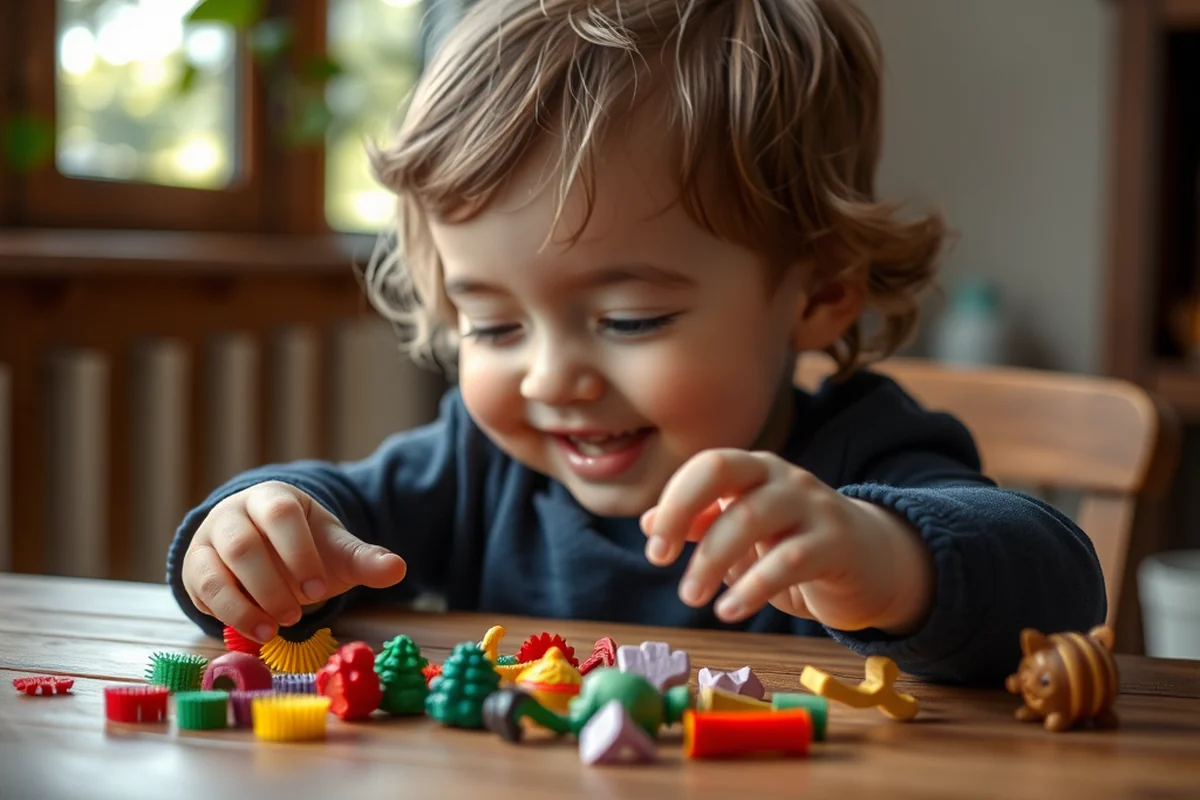
One of the first things I learned is that you don’t need to bring a ton of gear. A small notebook, a magnifying glass, and a few colored pencils are all you need to begin. I’ve also found that having a lightweight, waterproof bag to carry small items like leaves, rocks, or flowers can be useful, especially on days when the weather is unpredictable.
I typically pack a snack and a water bottle for our walks, just in case we stay out longer than expected. I also bring a change of clothes in case of a surprise mud puddle or a sudden rain shower. These small preparations help keep the experience smooth and enjoyable for both my daughter and me.
The most important thing to bring, however, is your presence — your attention, your patience, and your willingness to let your toddler explore on their own terms. I’ve learned that the best nature studies are the ones where I’m not trying to teach my daughter, but rather learning from her as she discovers the world around her.
The best nature studies are the ones where you let your toddler lead the way.
Related: Nature for toddler troubleshooting
Related: Nature for toddler checklist
Related: Nature for toddler benefits
Related: Toddler nature crafts tips
Related: Cheap nature for toddler
Making the Most of a Nature Study
One of the most important things I’ve learned about toddler nature study for beginners is that it’s not about covering a lot of ground or seeing a lot of things. It’s about being fully present with your child as they make discoveries. I’ve noticed that my daughter is more engaged when we take our time — when we stop to look at a flower, or sit quietly and listen to the sound of birds.
I’ve also found that it helps to ask open-ended questions. Instead of saying, “That’s a dandelion,” I might ask, “What do you think that flower is called?” or “What color is it?” This not only encourages observation. Also helps your toddler develop critical thinking skills.
Another tip is to let your toddler lead the pace. If they want to stop and look at something, give them time. If they want to move on, that’s okay too. Nature study is about connection, not about checking off a list of things to see.
Instead of telling your child what something is, ask them what they think it might be. This helps build curiosity and observation skills.
“One early spring morning, I found myself with a 2-year-old in a park, her tiny hand gripping mine as she pointed at a ladybug crawling…”— Toddler Nature Journaling Themes editors
Creating a Nature Study Routine
I’ve found that consistency is key with toddler nature study for beginners. Whether it’s a weekly walk in the park or a daily stroll around the neighborhood, having a routine helps your child get used to the idea of exploring nature. It also helps you build a habit of being present and engaged with your child.
I usually try to plan our nature study walks on the same day and time each week. This helps us both get into a rhythm. I’ve also found that having a small notebook and a few colored pencils on hand makes it easier to document our discoveries and revisit them later.
One thing I’ve learned is that even a short walk can be meaningful. I don’t always need to go far — sometimes, just stepping outside the front door and walking around the block can be enough to spark your toddler’s curiosity and imagination.
Nature Study Tips for Toddlers
One of the most important things is to be patient. Toddlers are still developing their language skills and their ability to focus for long periods of time. It’s okay if your child gets distracted by a butterfly or a puddle — that’s part of the experience. Nature study is not about staying on task; it’s about following your child’s lead.
Another tip is to use simple language. Toddlers may not understand complex words, so it’s best to keep your descriptions short and clear. Instead of saying, “That’s a red leaf,” you might say, “That leaf is bright red — like the color of your favorite shirt.” This helps make the experience more relatable and engaging for your child.
I’ve also found that incorporating movement and play can make nature study more fun. I like to let my daughter run ahead of me, or sit on the ground and look at the sky. Sometimes, we’ll even collect a few leaves or rocks to bring home and examine later. These small moments help reinforce the experience and make it more memorable.
The Benefits of Nature Study for Toddlers
I’ve noticed that my daughter has become more focused and more observant since we started our nature study. She’s learning to pay attention to details — the way a leaf falls from a tree, the shape of a bird’s wings, or the sound of a frog in the water. These skills are not only important for learning, but for building confidence and a sense of curiosity.
Nature study also helps with emotional development. When we’re in nature, my daughter is more relaxed and more present. She’s less likely to be distracted by screens or by the noise of the world around her. I’ve seen how time spent in nature helps her regulate her emotions and feel more connected to the world.
In addition to these benefits, nature study also helps with creativity and imagination. My daughter has started asking questions about the things we see, and I’ve noticed that she’s more willing to explore and take risks when she’s in a natural environment.
Nature study helps toddlers develop focus, creativity, and emotional regulation.
Nature Study Ideas for Toddlers
One of the simplest things you can do is take your toddler on a walk and point out the things around you. You can talk about the colors of the leaves, the shape of the clouds, or the way the sun shines through the trees. This helps your toddler learn to observe and describe the world around them.
Another idea is to create a nature scavenger hunt. You can make a list of things to find, like a leaf, a rock, or a flower, and let your toddler search for them. This helps build problem-solving skills and encourages exploration.
You can also use natural materials to create art with your toddler. I’ve used leaves, flowers, and pebbles to make collages and drawings. This not only helps with creativity, but also gives your toddler a chance to connect with the natural world in a hands-on way.
🌿 Gentle Nature Study
Perfect for families who prefer a relaxed, low-pressure approach with no need for planning or equipment.
⚡ Fast-Track Nature Study
Ideal for busy parents who want to make the most of short walks or brief moments in nature.
🧳 Travel/ Away-From-Home Nature Study
Great for families on the go, with ideas for exploring nature in cities or on the road.
👶 Multiples Nature Study
Designed for parents with multiple toddlers, with tips for engaging all children at once.
🔄 Regression Reset Nature Study
Helps rekindle a connection with nature for toddlers who have become less curious or engaged.
| The mistake | Why it happens | The fix |
|---|---|---|
| Trying to force your toddler to learn a lot at once. | This can make the experience stressful for both you and your child, and may reduce their interest in nature study. | Instead of trying to teach your toddler everything, focus on being present and letting them explore at their own pace. |
| Using too much technical language. | This can be confusing for toddlers and may make the experience less enjoyable. | Use simple language and focus on describing what you see in a way that your toddler can understand. |
| Not being patient with your toddler’s curiosity. | Toddlers are naturally curious, and it’s important to give them time to explore and ask questions. | Be patient, and let your toddler take the lead in their discoveries. |
| Overplanning a nature study session. | This can make the experience feel more like a lesson than a discovery, and may reduce your toddler’s engagement. | Keep things simple and flexible, and let your toddler’s interests guide the experience. |
Toddler Nature Study For Beginners
Common Questions
How long should a toddler nature study session be?
Do I need any special equipment for toddler nature study?
Can I do a nature study if I live in a city?
What if my toddler is not interested in nature study?
Cite this guide
Toddler Nature Journaling Themes (2026). Toddler Nature Study For Beginners. https://naturemarks.com/toddler-nature-study-for-beginners/
Feel free to cite or share this guide.
References
- Garden Initiative and Outdoor Learning (chhs.unh.edu)
- A Study of Child-Nature: From the Kindergarten Standpoint (digitalcommons.nl.edu)
- A Multiple Case Study of Nature Center Preschools (digitalcommons.unl.edu)
- A life “in and with nature?” - Global Education Review (ger.mercy.edu)
- How Moments in Nature Help Kids Thrive (greatergood.berkeley.edu)