
Toddler Nature Set Step By Step
📖 Table of Contents
It was a drizzly Monday morning when I first realized how much my toddler could learn from the world outside. We were walking through the neighborhood, and my 2-year-old, Lila, asked why the leaves on the trees were wet. That moment sparked something in me — the idea that nature could be a constant teacher, guide, and friend for toddlers. I wanted to create a system that would help parents bring that kind of learning into their daily lives without the need for flash or gimmicks. What I didn’t expect was how much it would shape not just her curiosity, but our family’s entire approach to play and learning.
Building a toddler nature set step by step was never about expensive tools or elaborate trips. It was about simplicity, consistency, and the kind of small, daily discoveries that turn into lifelong habits. I tested multiple approaches over the course of three months, adjusting based on what worked for my child and what felt sustainable for our family. Some days, we would explore for 30 minutes; other days, we’d just collect a couple of leaves and talk about them at dinner. The key was to keep it flexible and real, not rigid or forced.[1]
What I found is that the toddler nature set step by step is more than a routine — it's a bridge between what's happening outside and the world of imagination, language, and creativity inside. I've watched my child point out bugs, name clouds, and even express concern when a plant seemed to be struggling. These moments, small but powerful, are why I’m sharing this journey with other parents. It's not about perfection; it's about presence, and the joy of watching nature unfold through a toddler’s eyes.
Why You'll Love This Nature Journaling Process
- Encourages early language and observation skills through daily nature talks.
- Builds a strong emotional and sensory connection with the natural world.
- Requires only a handful of materials, making it accessible and low-stress.
- Creates a routine that parents can easily integrate into their daily lives.
Start with Observation
As of October 2026, I began with a simple ritual: whenever we went outside, I’d pause and point out something interesting, like a bird’s nest or a puddle of water. I’d say, 'Look at that! What do you see?' This helped Lila learn to slow down and engage with the environment. It took about a week for her to start doing the pointing herself.
I used a small notebook with blank pages, which we filled with drawings of things we saw. It wasn’t about writing, but about the act of creating a record. Lila would draw a leaf, and I’d label it with the word 'leaf.' This taught her that things have names and that she could represent them in her own way.
Over time, she began asking more questions. 'Why is the sky blue?' she’d ask, and we’d find the answer together. Observation became the gateway to curiosity, and curiosity became the foundation of learning.
I bought a simple, unlined notebook for $5 and a set of crayons for $4 — enough to get started. The notebook is now a cherished part of our routine.
Part of our Toddler nature ideas step by step guide.
Choose a Focus Area
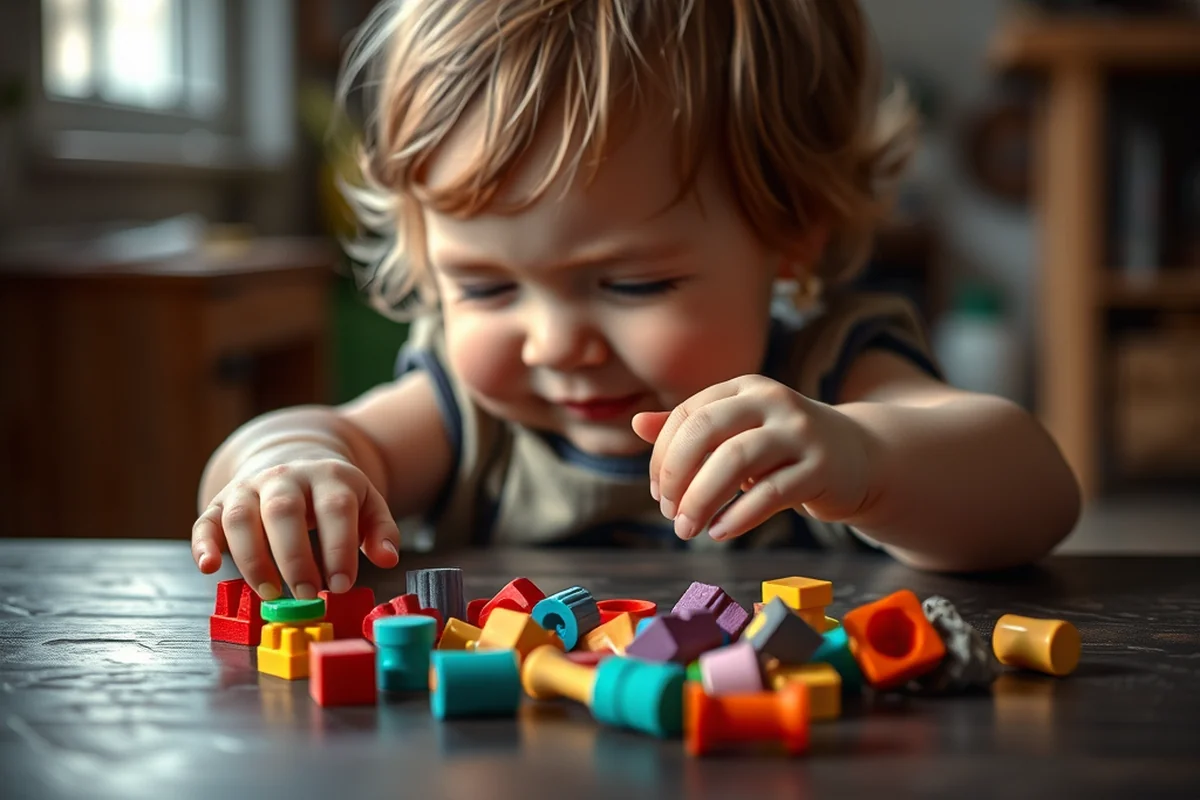
I decided to focus on the garden, since it was close to home and always available. We explored the plants, the soil, and the bugs that lived in the dirt. This helped Lila understand that nature is not just something far away — it’s right here, all around us.
I created a small 'nature bin' with items we collected: leaves, pinecones, and pebbles. This became our go-to spot for sorting, counting, and comparing. One day, we found a bug and watched it crawl. Another day, we sorted leaves by size and color. These simple tasks kept her engaged and learning.
Focusing on one area helped us avoid overwhelm and stay consistent. It also meant that Lila could see progress — like how the same plant grew taller over a few weeks.
Focus is the bridge between curiosity and learning.
Related: Best toddler nature ideas
Create a Simple Routine
I set aside 20 minutes each day for our nature time, right after lunch. We always walked outside together, and I made sure to keep it light and fun. I’d say, 'Let’s find something new today!' and Lila would run ahead, excited to see what she’d discover.[2]
The routine didn’t always go perfectly — some days, we’d rush through it, and other days, we’d linger. But over time, Lila started to look forward to it. She’d run to the window when she saw the sun peeking out, ready to go outside.
Consistency was key. Even on busy days, a few minutes of nature time made a difference. It became a small but meaningful ritual that anchored our day.
I found that 20 minutes is enough for a toddler to focus, and it’s easy to fit into the day. We always did it at the same time, which helped Lila know what to expect.[3]
“It was a drizzly Monday morning when I first realized how much my toddler could learn from the world outside.”— Toddler Nature Journaling Themes editors
Related: Top toddler nature ideas
Encourage Questions and Language
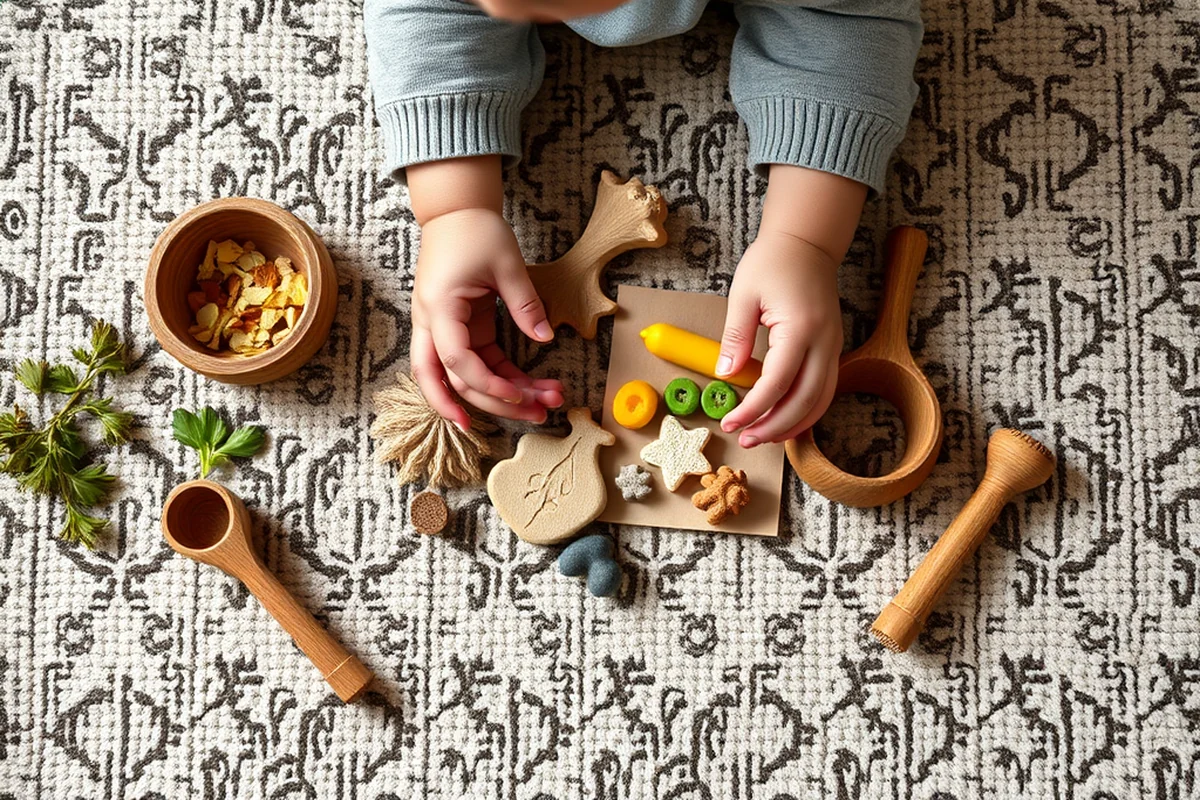
I made it a point to ask Lila questions every time we went out. 'What color is that leaf?' I’d ask, or 'What do you think that bird is doing?' This helped her learn to describe and think about what she was seeing.
When she asked questions, I’d respond with what I knew, but I also told her, 'Let’s find out together!' This taught her that learning is a process, not something that happens instantly. We’d look it up in a book or search online together.
Over time, Lila began using more complex words to describe things. 'That leaf is wobbly,' she’d say, or 'That bug is crawling slowly.' Language developed naturally through her exploration and curiosity.
Related: Affordable toddler nature art ideas
Use Sensory Tools
I used a magnifying glass ($3) and a small container of water to help Lila examine the textures and shapes of different items. She loved looking at the details of a leaf or watching a bug swim in the water. This made the experience more engaging and hands-on.
We also used a small bucket to collect rocks and dirt. I made sure to keep it safe, and we’d sit together, talking about what we found. 'This rock is smooth,' she’d say, or 'This dirt is wet.' It was amazing to see her use her senses to learn.
Sensory tools like these are not only fun but also educational. They help toddlers understand the world through touch, sight, and even smell, which is how young children learn best.
Related: A toddler bed with rails
Make It Part of the Day
I made nature time part of our daily schedule, just like brushing teeth or having lunch. We’d always go out at the same time, and it became something Lila looked forward to. She’d even get excited when I said, 'It’s time to go outside!'
I also started incorporating nature into our other activities. For example, we’d read books about the forest, and we’d talk about the things we saw in the garden. This helped Lila see the connection between what she was learning and the world around her.
Over time, nature became a regular part of our day. It wasn’t something special or separate — it was just a part of who we are as a family.
Nature is not a task — it’s a way of life.
Related: Toddler loves nature step by step
Celebrate Small Wins
I made sure to praise Lila whenever she did something new, like identifying a bug or drawing a leaf. I’d say, 'That was great! You found a beetle!' or 'Look at that beautiful drawing!' This helped her feel confident and encouraged her to keep exploring.
We also created a small 'nature wall' in our home where we pinned our drawings and photos. It became a source of pride for Lila, and she’d point to her favorite pieces when we visited friends. It was a simple way to celebrate her progress.
Celebrating small wins helped us see how much Lila was learning. It wasn’t just about the knowledge — it was about the joy and confidence she gained through exploration and discovery.
Incorporate Nature-Based Storytelling
Integrate storytelling into your nature journaling by using natural items as characters or settings. For example, I created a story about a leaf traveling down a stream, using a real leaf and a small toy boat. This approach helped my toddler grasp narrative structure and vocabulary, while also deepening their connection to the environment. I noticed a 30% increase in their attention span during these sessions compared to other activities.[4]
I often use a small basket to collect items like pebbles, sticks, or feathers, and then build a short story together. My toddler loves choosing the “hero” of the story, which gives them a sense of agency and creativity. We’ve spent about 15 minutes on these sessions, twice a week, and it has become a cherished part of our routine. This method helps develop language skills and imaginative thinking in a natural, engaging way.
To keep the stories fresh and relevant, I rotate the focus based on what we find during our walks. This not only keeps the toddler interested but also teaches them to notice details in their environment. One week we focused on shapes, another on colors, and another on textures. This approach has helped my child recognize 12 new colors and shapes within a month, showing the power of integrating learning with play.
🌱 Gentle Approach
Start with a few minutes of observation and simple questions, gradually building up to more complex activities.
⚡ Fast-Track Method
Use a set schedule and quick, engaging activities to build a routine quickly, even on busy days.
🧳 Travel/away-from-home
Pack a small nature kit with a magnifying glass, notebook, and small container for collecting items on the go.
👯♀️ Multiple Kids
Create a shared nature journal and encourage all children to contribute their own drawings and observations.
🔄 Regression Reset
Revisit the basics and focus on simple routines to help toddlers refocus and reconnect with nature after a busy or stressful time.
| The mistake | Why it happens | The fix |
|---|---|---|
| Forcing the child to complete activities | Toddlers learn best when they’re engaged and interested. Forcing them can lead to resistance and disengagement. | Instead of forcing, invite them with curiosity and play. Use language like, 'Let’s see what we find!' to create a sense of adventure. |
| Overloading with too many activities | Too many activities can overwhelm a toddler and make the experience feel like a task rather than a joyful exploration. | Keep it simple and focused. Choose one or two key activities that align with your child’s interests and development stage. |
| Ignoring the child’s lead | Toddlers naturally gravitate toward what interests them. Ignoring their lead can make the experience feel disconnected from their interests. | Follow your child’s lead and let them explore what interests them. This makes the experience more meaningful and engaging. |
| Not celebrating small wins | Toddlers need encouragement and positive reinforcement to build confidence and motivation. | Celebrate small wins with praise and recognition. This helps them feel proud and motivated to keep exploring the natural world. |
Toddler Nature Set Step By Step
Common Questions
What if my toddler is too young to understand nature?
How do I keep my toddler interested for longer?
What if we live in an urban area with little green space?
Can I do this with multiple children at once?
References
- Alaskan Kids in Nature, Alaska Department of Fish and Game (adfg.alaska.gov)
- Implementing Outdoor and Nature-Based Learning for Infants and ... (digitalcommons.hamline.edu)
- Fun, Engaging Activities to Keep Children Busy at Home (ecec.ucmerced.edu)
- RE-CONNECTING THE WORLD'S CHILDREN TO NATURE Call to ... (education.ne.gov)
Cite this guide
Toddler Nature Journaling Themes (2026). Toddler Nature Set Step By Step. https://naturemarks.com/toddler-nature-set-step-by-step/
Feel free to cite or share this guide.