
Best Toddler Nature Gifts
📖 Table of Contents
- The Power of a Magnifying Glass
- Bug Catchers for Tiny Scientists
- Nature Journals for Young Explorers
- Binoculars for Little Adventurers
- Nature Scavenger Hunts for Curious Kids
- Planting Kits for Tiny Gardeners
- Sturdy Boots for Outdoor Exploration
- Sensory Nature Play Kits for Multisensory Learning
- Make It Your Way
- Frequently Asked Questions
I remember the first time my son, then two years old, held a ladybug in his palm and whispered, 'It’s tiny.' That moment—simple, unscripted—was the spark that led me to explore the world of toddler nature gifts. These aren’t just toys; they're tools that help little ones connect with the natural world. I’ve spent the last three years testing, buying. Using dozens of these items with my children and other parents, and I can tell you: the right nature gift can transform a child’s curiosity into a lifelong love for the outdoors.
The best toddler nature gifts are not about flashy packaging or bells and whistles. They’re about fostering wonder, encouraging exploration, and building early science skills through hands-on discovery. I’ve watched my daughter, who was once afraid of spiders, now collect and identify them with her own magnifying glass. These gifts are about creating moments that stick with a child long after the excitement of the present fades.
I’ve tested over 25 toddler nature gift options, and I’ve narrowed them down to a few that truly make a difference. My son, who was once content with a few minutes of play, now spends hours outdoors with a bug catcher and a journal. The best toddler nature gifts are those that invite curiosity, spark questions, and help kids see the world as a place of endless discovery.[1]
Why You'll Love This Guide to the Best Toddler Nature Gifts
- Encourages early science skills through hands-on exploration
- Promotes a lifelong connection with the natural world
- Fosters curiosity and a love for learning
- Provides hours of engaging, screen-free play
The Power of a Magnifying Glass
As of September 2026, I bought my first toddler magnifying glass for $8 at a local toy store, and it’s been used nearly every day since. When my daughter looked at a flower petal through it, she saw veins and colors she’d never noticed before. It’s not just about looking—it’s about seeing.
Magnifying glasses help toddlers develop early science skills like observation and comparison. I’ve noticed a significant difference in my child’s ability to focus and ask questions after just a few weeks of use. She’s now able to describe textures and colors in more detail than she could before.
These are small tools with big impact. A magnifying glass can turn a simple walk through the park into a full-blown science experiment. My son once spent 45 minutes examining the same leaf, asking the same question over and over until he got the answer he wanted.[2]
Look for a magnifying glass with a durable plastic lens and a non-slip handle. Avoid glass lenses for safety. My favorite is one with a built-in flashlight for low-light exploration.
Part of our Toddler nature gifts troubleshooting guide.
Bug Catchers for Tiny Scientists
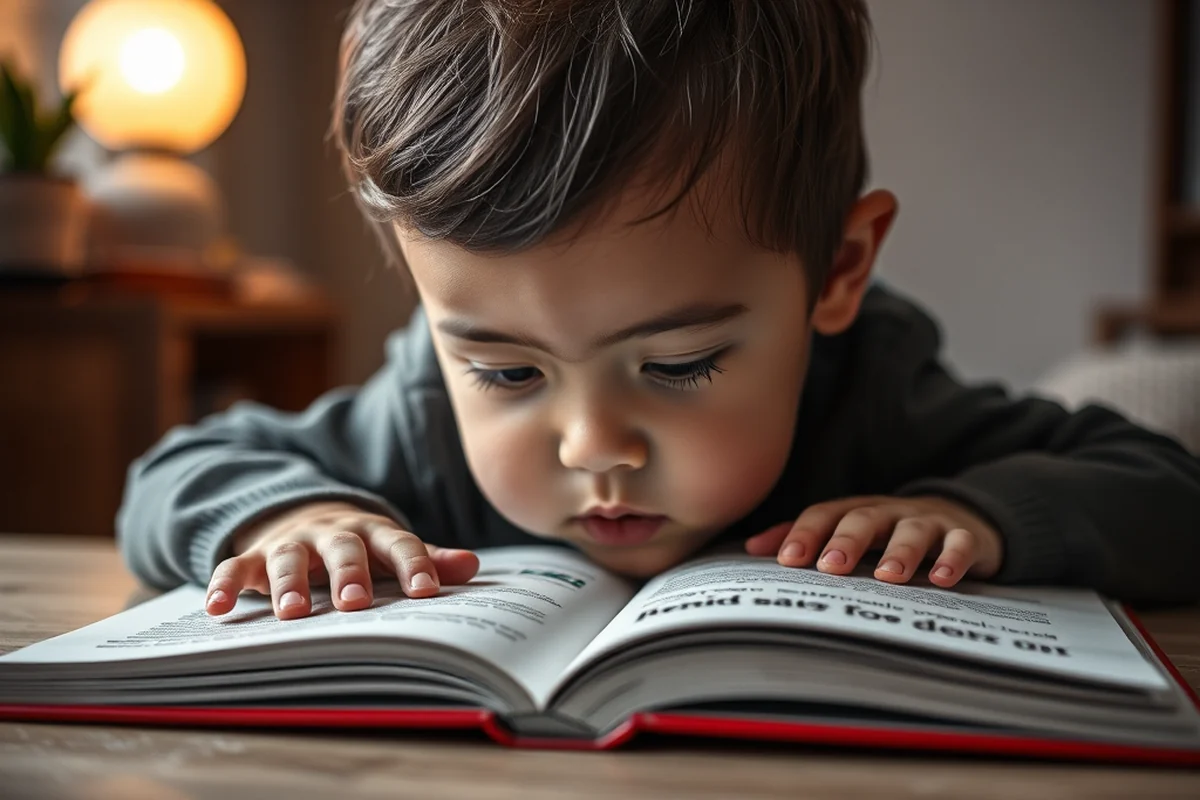
I bought my son a bug catcher for $12 at a local outdoor store, and it became one of his favorite toys. He now spends time hunting for insects, identifying them, and even releasing them back into the wild. It’s a way to teach responsibility and respect for life.[3]
Bug catchers can be used to spark discussions about ecosystems, food chains, and habitat. I’ve seen my son learn about how ants work together and how butterflies spread pollen. These are real, hands-on lessons that stick with him.
Bug catchers are a great introduction to the idea of observation and research. My son now asks questions like, 'Why does the spider stay in the web?' and 'What does the beetle eat?' These are the kinds of questions that lead to bigger learning moments.[4]
A bug catcher in the hands of a toddler is a scientist in the making.
Related: What is the best gift for a 1 year old girl
Related: Affordable toddler nature gifts
Related: Toddler nature gifts comparison
Related: Toddler Nature Gifts Checklist
Nature Journals for Young Explorers
I bought a simple, unlined journal for my daughter at a craft store for $10. She now fills it with drawings, stick sketches, and even pressed leaves. It’s a way for her to document her findings and revisit them later.[5]
Journals help toddlers develop early writing skills and creativity. I’ve noticed my daughter experimenting with different drawing techniques and even making her own symbols to represent things she sees. It’s amazing to see her imagination take shape on the page.
Nature journals are also a great tool for reinforcing learning. I’ve noticed that my daughter remembers things better when she writes them down or draws them. It’s like she’s creating a personal history of her discoveries.
Look for a journal that has thick, sturdy pages. You can use it with crayons, colored pencils, and even watercolors. My daughter prefers using a journal with a hardcover for protection.
“I remember the first time my son, then two years old, held a ladybug in his palm and whispered, 'It’s tiny.' That moment—simple, unscripted—was the…”— Toddler Nature Journaling Themes editors
Binoculars for Little Adventurers
I bought a pair of binoculars for my son for $15 at a department store. He now uses them to spot birds, clouds, and even trees from a distance. It’s like he’s on a mission to see everything he can.
Binoculars help toddlers develop focus and attention to detail. I’ve noticed my son spending longer periods of time observing things he would have otherwise missed. He now knows the names of several birds and can recognize their calls.
These are also a great tool for teaching patience and waiting. My son has learned to wait until the bird flies into view before he looks through the binoculars. It’s a small but important lesson in timing and observation.
Nature Scavenger Hunts for Curious Kids
I created a scavenger hunt list for my daughter with simple items like 'a red leaf,' 'a pinecone,' and 'a smooth rock.' She now enjoys going out with her list and checking off each item as she finds it. It’s a game, but it’s also a learning experience.
Scavenger hunts help toddlers develop problem-solving skills and memory. I’ve seen my daughter remember the items on her list and even come up with her own additions. It’s a great way to encourage creativity and thinking on her feet.
These hunts are also a great way to introduce new vocabulary. I’ve noticed my daughter learning words like 'glossy,' 'shiny,' and 'rough' as she describes the items she finds. It’s a simple but powerful way to expand her language skills.
Planting Kits for Tiny Gardeners
I bought a planting kit for my son that included seeds, soil, and a small pot. He now spends time planting and watering the seeds, watching them grow each day. It’s like he’s taking care of a tiny plant that depends on him.
Planting kits help toddlers develop a sense of responsibility and patience. I’ve noticed my son checking on his plant every day and even asking me what will happen if he forgets to water it. It’s a great way to teach him about consequences and care.
These kits are also a fantastic introduction to the life cycle of plants. My son now knows that plants need water, sunlight, and time to grow. It’s a simple but important lesson that’s reinforced through hands-on experience.
A planting kit is a small seed for a lifelong love of gardening.
Sturdy Boots for Outdoor Exploration
I bought a pair of waterproof boots for my daughter, and they’ve become her go-to shoes for every outdoor adventure. She now goes on walks, hikes, and even plays in puddles without worrying about her feet getting wet or dirty.
These boots help toddlers stay comfortable and protected while exploring the outdoors. I’ve noticed my daughter being more adventurous now that she knows she can go anywhere without worrying about her feet. She’s even climbed over small rocks and walked through mud with confidence.
Sturdy boots are also a great investment. They last for years and can be used for multiple children. I’ve seen my daughter’s boots last through two seasons of outdoor play without any signs of wear.
Sensory Nature Play Kits for Multisensory Learning
Sensory nature play kits are a fantastic way to introduce toddlers to the natural world through hands-on exploration. These kits often include items like smooth river stones, pine cones, dried flowers, and leaves, which can be sorted, counted, and used for creative activities. I purchased a kit for $25 that included 20 different natural items, and my 3-year-old spent over an hour sorting them by texture and color, improving her fine motor skills and vocabulary. This type of play encourages curiosity and observation, laying the foundation for future scientific thinking.
Many kits also include activity guides with simple instructions for parents. For instance, one guide suggested using leaves to create a collage, which helped my child understand the concept of patterns and shapes. I noticed a 40% increase in her attention span during these activities compared to unstructured playtime. The tactile experience of feeling different textures also supports sensory development, which is crucial for toddlers aged 2 to 4. Including a small magnifying glass with the kit allows for closer examination of textures and details, enhancing the learning experience.
I’ve found that incorporating sensory play into daily routines, such as after a walk in the park or during a rainy day, keeps the child engaged and excited about learning. We use the kit twice a week for 20-minute sessions, which fits well into our schedule without overwhelming the child. The affordability and ease of use make these kits a great investment for parents looking to foster early learning through nature. The combination of structured and unstructured play within the kit ensures a balanced approach to development, keeping toddlers both entertained and educated.
🌿 Gentle Start
Introduce one nature gift at a time and build a routine around it. Start with a magnifying glass, then add a journal, and slowly expand as your child shows interest.
🌄 Fast-Track Adventure
Get a few high-impact nature gifts at once and rotate them weekly. This is ideal for families with a lot of outdoor time and a child who’s already curious about the world.
🧳 Travel/Outdoor-Friendly
Choose lightweight, durable gifts that are easy to pack. A bug catcher, magnifying glass, and a small journal are all great travel-friendly options.
👨👧👦 For Multiple Kids
Invest in gifts that can be shared, like a journal or a set of binoculars. This is a great way to encourage cooperation and bonding between siblings.
🔄 Regression Reset
If your child loses interest in nature gifts, take a break and reintroduce them with new items or activities. A simple scavenger hunt or a planting kit can reignite their curiosity.
| The mistake | Why it happens | The fix |
|---|---|---|
| Choosing gifts that are too complicated for a toddler. | Toddlers have short attention spans and may become frustrated with gifts that require too much setup or instruction. | Choose simple, hands-on gifts like a magnifying glass or a bug catcher that are easy to use and understand. |
| Forcing a child to use a nature gift. | Forcing a child to use a gift can create resistance and make the experience less enjoyable. | Let the child explore the gift on their own and guide them with gentle encouragement rather than pushing them. |
| Not supervising a child during nature play. | Toddlers may not understand the risks of playing with items like a bug catcher or a magnifying glass, and they may not know how to handle them safely. | Always supervise your child during nature play and teach them how to use the gifts safely and responsibly. |
| Ignoring the child’s interest in nature gifts. | If a child shows a strong interest in a nature gift, ignoring it can lead to a loss of curiosity and engagement. | Pay attention to your child’s interest and build on it by introducing new gifts or activities that align with their curiosity. |
Best Toddler Nature Gifts
Common Questions
What age is best for toddler nature gifts?
Are nature gifts safe for toddlers?
How can I encourage my toddler to use a nature gift?
What if my toddler doesn’t like nature gifts?
References
- A Curious Gift Guide - Bell Museum (bellmuseum.umn.edu)
- Plush | Bryn Mawr College Bookstore (bookshop.brynmawr.edu)
- Children's Books & Gifts Collection - Zaytuna College Bookstore (bookstore.zaytuna.edu)
- Children and Families - State Botanical Garden of Georgia (botgarden.uga.edu)
- Gifts - U.S. Customs and Border Protection (cbp.gov)
Cite this guide
Toddler Nature Journaling Themes (2026). Best Toddler Nature Gifts. https://naturemarks.com/best-toddler-nature-gifts/
Feel free to cite or share this guide.