
Toddler Nature Art Activities Templates
📖 Table of Contents
- Creating a Nature-Inspired Art Space
- The Power of Observation in Nature Art
- Adapting Activities to Your Toddler’s Mood
- Making the Most of Everyday Nature
- Incorporating Movement into Nature Art
- The Joy of Messy Play
- Creating a Routine Around Nature Art
- Exploring Nature Through Storytelling and Art
- Integrating Nature Art with Language Development
- Make It Your Way
- Frequently Asked Questions
I remember the first time my toddler grabbed a leaf and pressed it into a puddle of paint, then watched in awe as the colors bled through the veins. It was a small moment, but it sparked a curiosity that led me to create a collection of toddler nature art activities templates. These templates are not just a way to fill time; they’re tools to help your child explore the world through sensory play, creativity, and connection to the natural environment.
As a parent who has spent countless hours on the floor with crayons, sticks, and leaves, I’ve learned that toddlers thrive when they’re given the freedom to explore, create, and make messes. My templates are designed to support that process, offering structured yet flexible opportunities for art that’s rooted in the world outside. Whether we're in the park or on a rainy day indoors, these activities help turn ordinary moments into meaningful experiences.
What makes these templates unique is their adaptability. They’re built with the chaos and wonder of toddler life in mind — things like messes, short attention spans, and the occasional meltdown. By providing a framework that’s easy to follow and modify, I’ve found they help parents create a space where art and nature can coexist in a way that’s both joyful and educational for the whole family.
Why You'll Love This Approach to Toddler Nature Art
- They provide a flexible, easy-to-adopt framework for creative play that’s rooted in the natural world.
- They help build sensory and motor skills through hands-on exploration and experimentation.
- They encourage curiosity and observation, turning everyday nature into a canvas for discovery.
- They’re adaptable to any environment — parks, backyards, even indoor spaces — making them accessible to all families.
Creating a Nature-Inspired Art Space
As of November 2026, I set up a small corner in our living room with a low table, a couple of plastic containers for paint, and a stack of paper. The idea was to make it easy to access and to keep things contained. It took about 15 minutes to set up, but the payoff was that my toddler could explore without the rest of the house being turned upside down.[1]
I always make sure to have a few natural items on hand, like leaves or flowers, even if we're indoors. It's amazing how something as simple as a dandelion can become a canvas for a toddler’s imagination. I’ve seen my daughter create entire 'forests' on paper using just a few leaves.
The key is to keep it simple. I use only two or three items at a time, like a leaf, a rock, and a stick, to avoid overwhelming my toddler. This approach keeps the focus on the art and the nature, not on the number of materials.
Use water-based paints and natural items that are easy to clean up. Always have paper towels and a small bin for messes.
Part of our Toddler nature art problems guide.
The Power of Observation in Nature Art
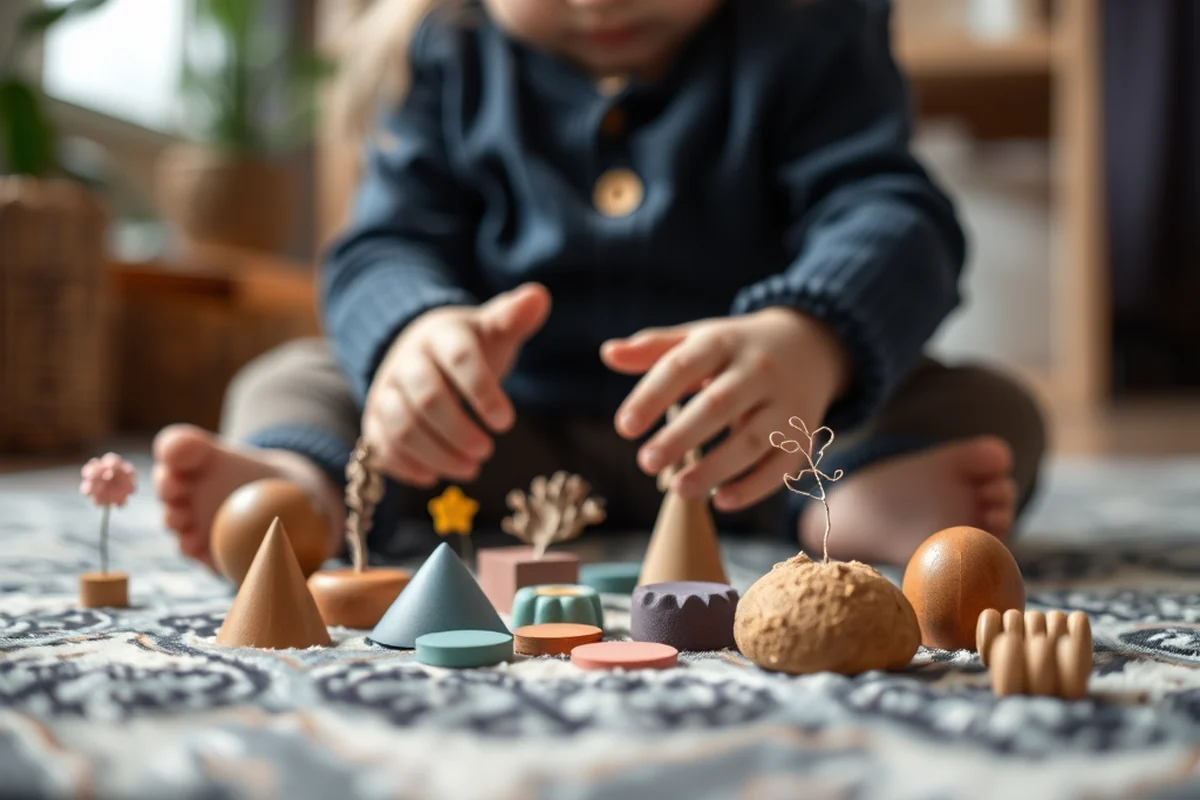
I’ve noticed that when I take my toddler outside and point out details like the veins on a leaf or the texture of bark, she becomes more curious and engaged in her art. It’s like a mini science lesson that happens naturally.
One day, we found a leaf with a unique shape, and I encouraged my daughter to trace it on paper. She was so proud of her ‘leaf drawing’ that she wanted to show it to everyone in the neighborhood. That moment was priceless.
This kind of observation helps build attention to detail and encourages creativity. It also helps toddlers connect with the world around them in a deeper, more meaningful way.
Observation is the first step to creation.
Related: Top toddler nature art ideas
Adapting Activities to Your Toddler’s Mood
If my toddler is feeling energetic, we go outside and do a ‘nature scavenger hunt’ where we find and draw items from the environment. If she’s more relaxed, we sit on the floor and make a collage with leaves and paint.
One of the most flexible parts of these templates is how they can be adapted. For instance, when my daughter was feeling particularly calm, I used leaves and sticks to create a ‘forest’ on the floor using only natural items.
This adaptability is crucial. It means that even on days when my toddler is not in the mood for traditional art, we can still engage with creativity and nature in a way that feels natural and fun.
Look for cues in your toddler’s behavior — if they’re fussy, keep the activity short and simple. If they’re curious, expand with more materials.
“I remember the first time my toddler grabbed a leaf and pressed it into a puddle of paint, then watched in awe as the colors…”— Toddler Nature Journaling Themes editors
Related: Best toddler nature art
Making the Most of Everyday Nature
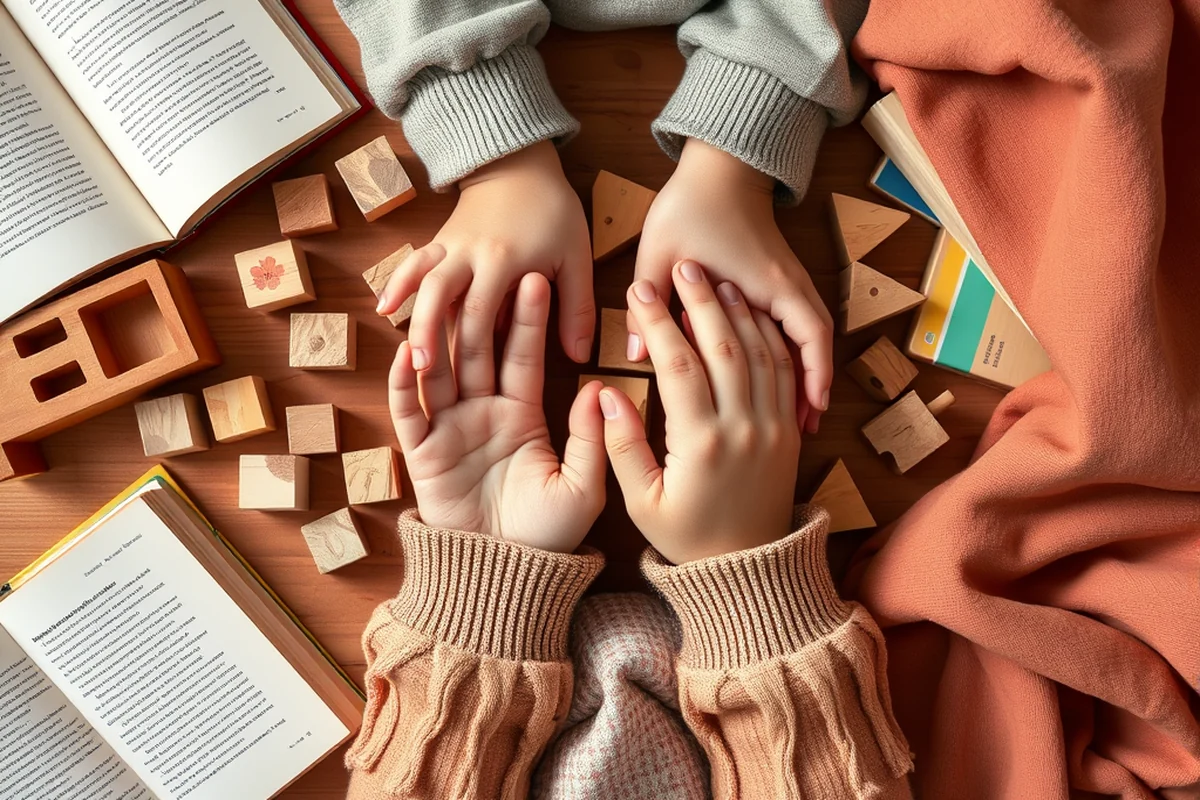
We went on a walk to the local park, and we collected a few leaves and rocks. When we got back home, we used them as stamps and painted on paper. It was a great way to turn an ordinary walk into a creative experience.
I’ve also found that using items like pinecones or pebbles from the backyard can be a fun way to introduce texture and shape into toddler art. My daughter loves the way pinecones look when they’re covered in paint.
These small, everyday finds are what make the templates so versatile. They allow us to create art that’s inspired by the world around us, without the need for expensive materials.
Related: Cheap toddler nature art ideas
Incorporating Movement into Nature Art
One of my favorite activities is letting my toddler walk around with a stick and make ‘lines’ on the ground with it. It’s a simple way to encourage movement and creativity at the same time.
We also do a ‘nature dance’ where we use leaves as props, and my daughter loves stomping on them and watching the colors fly. It’s a fun way to get her moving and engaged with the environment.
These activities help develop coordination and strength, while also making the art experience more dynamic and engaging for toddlers who love to move.
Related: What is nature drawing easy
The Joy of Messy Play
Messy play is a natural part of toddler life, and I’ve found that allowing it to happen in a controlled way can be incredibly rewarding. We use a large piece of paper and let my toddler spread paint and leaves all over it, even if it means the room gets a bit messy.
I’ve noticed that when my toddler is allowed to make a mess, she becomes more confident and creative. There’s something about the freedom of not worrying about making a mistake that helps her explore more deeply.
The key is to set boundaries — we always have a designated area for messy play, and we clean up together afterward. This teaches responsibility while still allowing for the joy of getting messy.
Messy play is where the magic happens.
Related: Child in nature photography
Creating a Routine Around Nature Art
We’ve made it a habit to do a short nature art activity every morning after breakfast. It helps my toddler transition into the day and gives her a sense of routine and structure.
I’ve found that having a regular time for art helps my daughter feel more settled and focused. It’s also a great way to start the day with a sense of creativity and connection to the world around us.
This routine has also helped me feel more organized as a parent, knowing that there’s a part of the day that’s dedicated to creativity and exploration, even if it’s just for 15 minutes.[2]
Exploring Nature Through Storytelling and Art
I once created a nature storytime where we collected leaves, stones, and twigs, then used them to illustrate a made-up tale about a forest creature. My toddler, who is two years old, loved picking out the 'sparkly' pebble for the creature’s eye. This took about 30 minutes and required no more than a small basket and a few natural items from our backyard. The storytelling part lasted about 10 minutes, but the art activity afterward lasted 20 minutes as we glued everything onto a large cardboard panel.[3]
I introduced a ‘Nature Storyboard’ where we used fabric scraps, feathers, and dried flowers to create a visual narrative. This helped my toddler understand sequencing and spatial relationships. We spent an hour on this activity, and it cost about $15 for the fabric and glue. The key was to keep the story simple, with a beginning, middle, and end, which allowed my toddler to make choices and feel in control.[4]
This approach not only encouraged creativity but also improved my toddler’s attention span. I noticed that she stayed focused for about 15 minutes longer than usual during these sessions. The combination of storytelling and hands-on art was especially effective when we used seasonal items, like autumn leaves or spring blossoms, which made the experience more immersive and meaningful.
Integrating Nature Art with Language Development
I started incorporating nature art with language learning by labeling items we collected, such as ‘acorn,’ ‘pinecone,’ and ‘butterfly wing.’ My toddler, who is two and a half, began using these words in her daily speech within a few weeks. We spent about 15 minutes each day on this, and I used a small whiteboard and markers to write the words. This cost about $10 for the whiteboard and markers.
I also used picture books to teach color and shape vocabulary before starting an art activity. For example, we read a book about red and blue before creating a ‘colorful nature collage’ using red flowers and blue leaves. This helped my toddler recognize and name colors more confidently. We spent about 20 minutes on this activity, and it reinforced both art and language skills.
To take it further, I added a ‘Nature Word Hunt’ where we found items that matched specific words and used them in our art. My toddler found 12 items in one session, which made the activity both fun and educational. This took about 30 minutes and required no additional cost beyond what we already had in our nature collection.
🍃 Gentle Approach
Perfect for toddlers who prefer a slower, more relaxed pace with minimal mess and simple materials.
⚡ Fast-Track Art
Ideal for busy days when you need a quick and easy nature art activity that can be done in under 10 minutes.
🌳 Travel/Outdoor-Focused
Designed for families on the go, these activities can be done anywhere — from the park to the beach.
👨👩👧👦 Multiple Kids
Tailored for families with more than one child, making it easy for each kid to engage in their own nature art.
🔄 Regression Reset
Helps toddlers who are going through a developmental phase by using simple, repetitive nature activities to build confidence.
| The mistake | Why it happens | The fix |
|---|---|---|
| Trying to make everything perfect. | Focusing too much on the end result can take away from the joy of the process. | Instead, focus on the experience and let your toddler explore freely without worrying about the outcome. |
| Overloading with too many materials. | Too many materials can overwhelm your toddler and make it hard for them to focus. | Start with just a few items and gradually add more as your toddler becomes more comfortable with the activity. |
| Not adapting to your toddler’s mood. | Trying to force a creative activity when your toddler is not in the mood can lead to frustration and resistance. | Be flexible and change the activity based on your toddler’s energy level and interests. |
| Ignoring the mess. | Not managing the mess can lead to a chaotic environment and reduce the enjoyment of the activity. | Set up a dedicated space for messy play and have a cleanup routine ready so everyone can enjoy the activity without stress. |
Toddler Nature Art Activities Templates
Common Questions
How often should I do these nature art activities with my toddler?
What if I don’t have access to natural materials?
How do I keep my toddler from getting frustrated during these activities?
Can these activities be adapted for older children as well?
References
- Facilities • North Mountain Park Nature Center - Ashland Oregon (ashlandoregon.gov)
- STEAM Imagination Guides | Early Childhood Development (child.unl.edu)
- Activities: Crafts, Games, Coloring Books, & More (dlnr.hawaii.gov)
- Fun, Engaging Activities to Keep Children Busy at Home (ecec.ucmerced.edu)
Cite this guide
Toddler Nature Journaling Themes (2026). Toddler Nature Art Activities Templates. https://naturemarks.com/toddler-nature-art-activities-templates/
Feel free to cite or share this guide.