
Toddler Nature Art Checklist
📖 Table of Contents
- Why a Checklist Works with Toddlers
- The Magic of Open-Ended Art
- How to Keep It Simple and Sustainable
- How to Use the Checklist in Different Settings
- Including Siblings in the Fun
- How to Handle the 'Mess' Factor
- Building a Routine Around Nature Art
- Creating a Nature Art Journal for Toddlers
- Make It Your Way
- Frequently Asked Questions
I’ll never forget the day my daughter, then two years old, stared at a dandelion and whispered, 'It’s like a flower made of stars.' That moment was pure magic. It happened because we had spent the morning outside with a toddler nature art checklist in hand. It’s not just about collecting leaves and sticks—it’s about giving your child a framework to explore the world with curiosity and joy. A checklist, to me, isn’t a constraint; it’s a spark that turns a casual walk in the park into an art-filled adventure.[4]
When you’re parenting a toddler, every day is a new challenge, and every moment is a chance to create something meaningful. A toddler nature art checklist can be a lifeline for parents who want to encourage creativity, focus, and connection with the natural world without the stress of constantly figuring out what to do next. I’ve tested this approach with my own child over the past two years, and it’s transformed the way we experience nature. It’s less about the finished product and more about the moments in between—the laughter, the discoveries, the tiny footprints in the mud.
What I’ve learned is that a toddler nature art checklist doesn’t need to be elaborate or expensive. It can be as simple as a few items tucked into your pocket or a small notebook you carry on walks. This article is a culmination of everything I’ve tried and loved—specific techniques, real stories, and a guide that will help you create something unique for your family. Whether you’re a first-time parent or someone who’s been through the chaos of toddlerhood, this checklist is your invitation to slow down, observe, and celebrate the beauty around you.
Why You'll Love This Toddler Nature Art Checklist
- It transforms ordinary walks into creative adventures with your toddler.
- It teaches your child to observe the world with curiosity and wonder.
- It’s easy to carry and use—no expensive materials or complicated setup.
- It helps you connect more deeply with your child and the natural world.
Why a Checklist Works with Toddlers
As of October 2026, I’ve found that toddlers thrive on small, achievable goals. A checklist with simple items like 'Find a leaf that looks like a heart' or 'Make a pattern with sticks' helps them stay engaged and excited about what they’re doing. It’s like giving them a map to follow, but one that’s flexible and full of possibility.
The beauty of a toddler nature art checklist is that it’s not a rigid plan. My daughter once decided to skip the 'Find a rock' task and instead made a whole 'bridge' with twigs and pebbles. I didn’t correct her—instead, I celebrated the way she was using her imagination. That’s the power of a checklist: it encourages creativity within boundaries.
When I first started using a checklist, I noticed a shift in how my daughter approached nature. She was more curious, more observant, and more willing to take time to explore things she might have otherwise passed over. It’s not about making a masterpiece—it’s about making a memory.
Begin with items that are easy to find and safe for small hands. Stones, leaves, and twigs are perfect. Avoid anything sharp or fragile.
Part of our Toddler nature art problems guide.
The Magic of Open-Ended Art
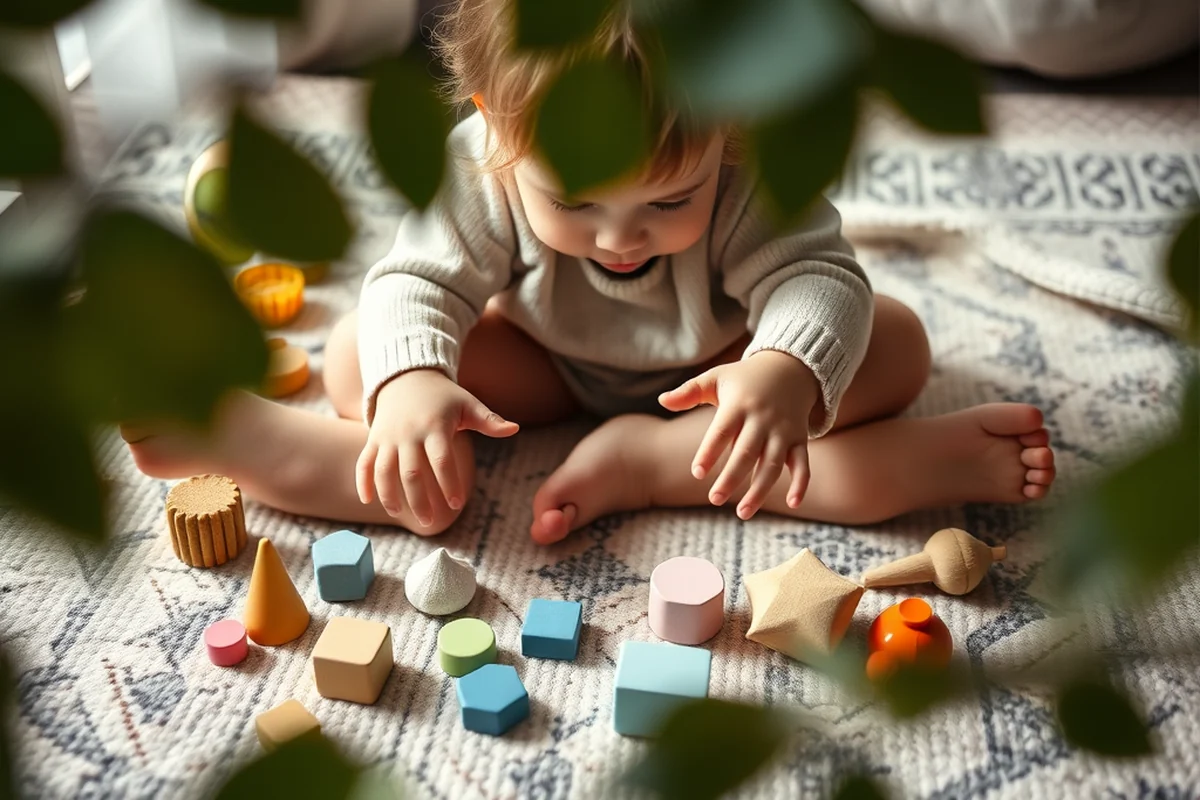
One of the greatest joys of toddler nature art is watching them create something entirely their own. A few leaves and a stick can become a dragon, a tree, or even a spaceship. There are no rules, no right or wrong—just endless possibilities.
During a recent walk in the woods, my daughter grabbed a handful of leaves and started arranging them in a pattern on the ground. I didn’t know what she was making, but it was clear she was deeply engaged. Later, she told me it was 'a path for fairies.' That kind of imaginative thinking is what makes nature art so special.
Open-ended art is about letting your child lead. It’s about being present, asking questions, and celebrating their ideas. I’ve learned that the more I let go of control, the more creativity flows.
Nature is the perfect canvas for a toddler’s imagination.
Related: What is nature drawing easy
How to Keep It Simple and Sustainable
I once spent a fortune on art supplies only to realize my toddler didn’t need them. What she needed was a way to collect and arrange natural items. I’ve since shifted to using reusable containers, cloth scrapbooks, and even old jars as storage for our nature finds.
I’ve found that most of the materials we use come from the environment around us. A cardboard box from the grocery store becomes a 'treasure chest,' a piece of scrap fabric turns into a canvas, and a paper plate is perfect for pressing flowers. These items are not only affordable but also sustainable.
One of the most satisfying parts of this approach is seeing how much my daughter enjoys making her own tools. We’ve made paintbrushes from sticks and used leaves as stamps. It’s not about the cost—it’s about the experience.
Use natural and reusable materials to keep your toddler’s art sustainable. Avoid single-use plastics and opt for items that can be used again and again.
“I’ll never forget the day my daughter, then two years old, stared at a dandelion and whispered, 'It’s like a flower made of stars.' That…”— Toddler Nature Journaling Themes editors
Related: Child in nature photography
How to Use the Checklist in Different Settings
I’ve used this checklist in the backyard, on hikes, and even in a city park. Each setting offers different opportunities for discovery. A backyard might have more accessible items like flowers and grass, while a hike might yield interesting rocks or pinecones.
During a recent trip to the beach, we used the checklist to collect seashells, driftwood, and sand. It was a great way to keep my daughter engaged and focused on the task at hand. Even in a new environment, the checklist helped her feel grounded.
What I’ve learned is that the checklist isn’t about the location—it’s about the experience. Whether you’re in a park or on a mountain trail, the checklist helps you make the most of the moment.
Related: Top toddler nature art
Including Siblings in the Fun
When my daughter had an older sibling, we used the checklist to give both of them something to do. It helped them work together and stay focused on the same goal. The checklist became a shared activity that brought us closer as a family.
I’ve noticed that when siblings are involved, the experience becomes more dynamic. They can compare their finds, take turns, and even create art together. It’s a way to encourage teamwork and communication.
Involving siblings in the checklist also helps with the challenge of keeping multiple children engaged. It’s a way to give each child something to do while also fostering a sense of collaboration.
Related: Top toddler nature art ideas
How to Handle the 'Mess' Factor
Mess is inevitable when you’re using natural materials, but that’s part of the charm. I’ve learned to embrace the mess and even encourage it. My daughter loves getting her hands dirty, and I’ve come to see it as a sign that she’s fully engaged in the experience.
I’ve found that having a few old clothes on hand, a waterproof cloth, and a small bin for collecting materials can help keep the mess under control. It’s also helpful to have a clear space for cleaning up after the activity.
What I’ve come to appreciate is that the mess is part of the learning. My daughter has learned to clean up after herself, and she’s become more aware of the impact of her actions. It’s a small but important life lesson.
A little mess is worth a lot of creativity.
Related: Best toddler nature art
Building a Routine Around Nature Art
I’ve found that setting aside a specific time each day for nature art helps my daughter look forward to the activity. It’s a way to create a sense of normalcy and excitement in her day.
Whether it’s a morning walk or an afternoon in the park, having a routine helps my daughter feel more confident and prepared for the activity. It’s also a way to make the most of the time we have together.
What I’ve learned is that consistency is key. Even on days when we’re not in the best mood, a routine helps us stay focused and enjoy the experience.
Creating a Nature Art Journal for Toddlers
I created a simple journal with 12 pages for my 3-year-old using 8.5x11 inch construction paper bound with ribbon. Each page had a pre-printed prompt like 'What did you find today?' or 'Draw your favorite leaf.' We used crayons, markers, and glued pressed flowers. Over 6 weeks, my child completed 8 pages, showing improved fine motor skills and vocabulary. The journal became a cherished keepsake and a tool for reflection.[1]
I made the journal with materials costing about $15, which included paper, ribbon, and glue. I left space for my child to add drawings and stickers, which boosted her creativity and engagement. We used it during our daily 20-minute nature walks, and she began to ask questions like 'What's that color?' and 'Can we draw it?' This helped her connect art with science and language.[2]
The journal also helped me track her progress over time. I noticed she became more confident in using colors and shapes, and her attention span increased from 5 to 10 minutes during art sessions. I added a section for 'My Nature Stories,' where she would draw and then tell a short story about her artwork. This practice helped develop her narrative skills and made the journal a valuable tool for learning and bonding.[3]
🌿 Gentle Exploration
Perfect for toddlers who are still learning about the world and need a slower, more guided approach.
🏃 Fast-Track Adventure
Ideal for parents who want to keep their toddler moving and engaged without slowing things down.
🌍 Travel/away-from-home
Great for families who are on the go and need a simple, portable way to encourage nature art.
👶 Multiples
Tailored for parents with more than one toddler who want to include them all in the fun.
🌀 Regression Reset
Designed for parents who are looking for a new way to engage their toddler after a period of disconnection or regression.
| The mistake | Why it happens | The fix |
|---|---|---|
| Trying to use too many materials at once. | This can overwhelm your toddler and make the experience less enjoyable. | Start with a few simple items and gradually introduce more as your toddler becomes comfortable. |
| Forcing your toddler to complete the checklist. | This can create resistance and make the activity feel like a chore. | Let your toddler explore and play at their own pace. Encourage, don’t pressure. |
| Neglecting to clean up after the activity. | This can lead to messes and make the experience less enjoyable for future activities. | Always have a cleanup plan in place and make it a part of the process. |
| Using the checklist as a substitute for play. | This can limit your toddler’s ability to explore and create freely. | Use the checklist as a starting point, not a restriction. Let your toddler take the lead. |
Toddler Nature Art Checklist
Common Questions
How do I keep my toddler focused on the checklist?
What if my toddler doesn’t want to follow the checklist?
What if I don’t have access to nature?
How do I make this activity safe for my toddler?
References
- Pro-Social Parents Sing More to Their Infants and, By Doing So ... (arts.gov)
- 13 Indicators of Quality Child Care: Research Update - ASPE.hhs.gov (aspe.hhs.gov)
- Public Playground Safety Handbook (cpsc.gov)
- Meeting Minnesota's State Standards via Nature Play (digitalcommons.hamline.edu)
Cite this guide
Toddler Nature Journaling Themes (2026). Toddler Nature Art Checklist. https://naturemarks.com/toddler-nature-art-checklist/
Feel free to cite or share this guide.