Cheap Toddler Nature Study
📖 Table of Contents
- How to Start a Cheap Toddler Nature Study
- What to Bring (And What Not To Bring)
- Making the Most of a Cheap Nature Study
- How to Make a Nature Study a Routine
- How to Keep the Experience Engaging
- How to Use Nature to Teach Basic Concepts
- How to Make It a Family Activity
- Make It Your Way
- Frequently Asked Questions
I remember the first time I brought my toddler to the park, thinking I needed an elaborate nature study setup — a magnifying glass, a notebook, and a whole bag of supplies. I was wrong. It turned out the best nature study I could give my child was right there, under our feet, in the grass, the trees, and the bugs buzzing around us. A cheap toddler nature study doesn’t need to be fancy or expensive — it just needs to be real, present, and filled with curiosity. This is how I’ve learned to make every walk to the park a lesson in observation, wonder, and connection with the natural world.[1]
When I first started trying to engage my toddler with nature, I was caught up in the idea that I had to buy everything — books, flashcards, and expensive kits. But that wasn’t the way. I learned that the best nature study for a toddler is not about cost, but about time, attention, and presence. I’ve tried and tested so many approaches, from walking barefoot in the dirt to collecting leaves in a jar. I’ve found that the cheapest and most rewarding way to start is by simply being out in nature with your child and encouraging their questions.[2]
I’ve spent the last three years refining my approach to a cheap toddler nature study. It’s not about perfection or even long, drawn-out lessons. It’s about finding joy in the small things — a bug crawling up a leg, a leaf that looks like a heart, a bird that makes a strange noise. I’ve found that the best way to do this is by creating a simple, repeatable routine, which I’ll share in this article. Whether you’re a parent on a budget or just looking for ways to connect with your child in the natural world, this guide will help you start today.
Why You'll Love This Cheap Toddler Nature Study
- It requires no budget — everything is found for free in your neighborhood.
- It’s flexible enough to fit into any parent’s lifestyle, no matter how busy.
- It fosters curiosity, observation, and a lifelong love of nature in your child.
- It’s deeply engaging for toddlers, who thrive on hands-on, sensory experiences.
How to Start a Cheap Toddler Nature Study
As of September 2026, I found that the best way to start a cheap toddler nature study is by simply going outside and letting the child lead the way. I take my toddler to the same local park every few days, and we walk the same path each time. The first time, I brought a notebook and pencil, but I didn’t explain what we were doing. I just asked, 'What do you see?' and we started exploring.
Within minutes, she was pointing at a bird and saying, 'Look, a blue one!' I didn’t know what kind of bird it was, but I didn’t need to. It was enough that she was engaging with the world around her. I made it a point to write down what she noticed, even if it was just 'a blue bird' or 'a big rock.'
Over time, I’ve noticed that she’s started to ask more questions about the things we see. She wants to know why the sky is blue, what the ants are doing, and where the flowers come from. It’s amazing how much curiosity a simple walk in the park can spark.
If your toddler is fascinated by bugs, focus on that. If they love water, take a walk near a stream or puddle. Tailoring the experience to their interests makes it more engaging and meaningful.
Part of our Toddler nature study at home guide.
What to Bring (And What Not To Bring)
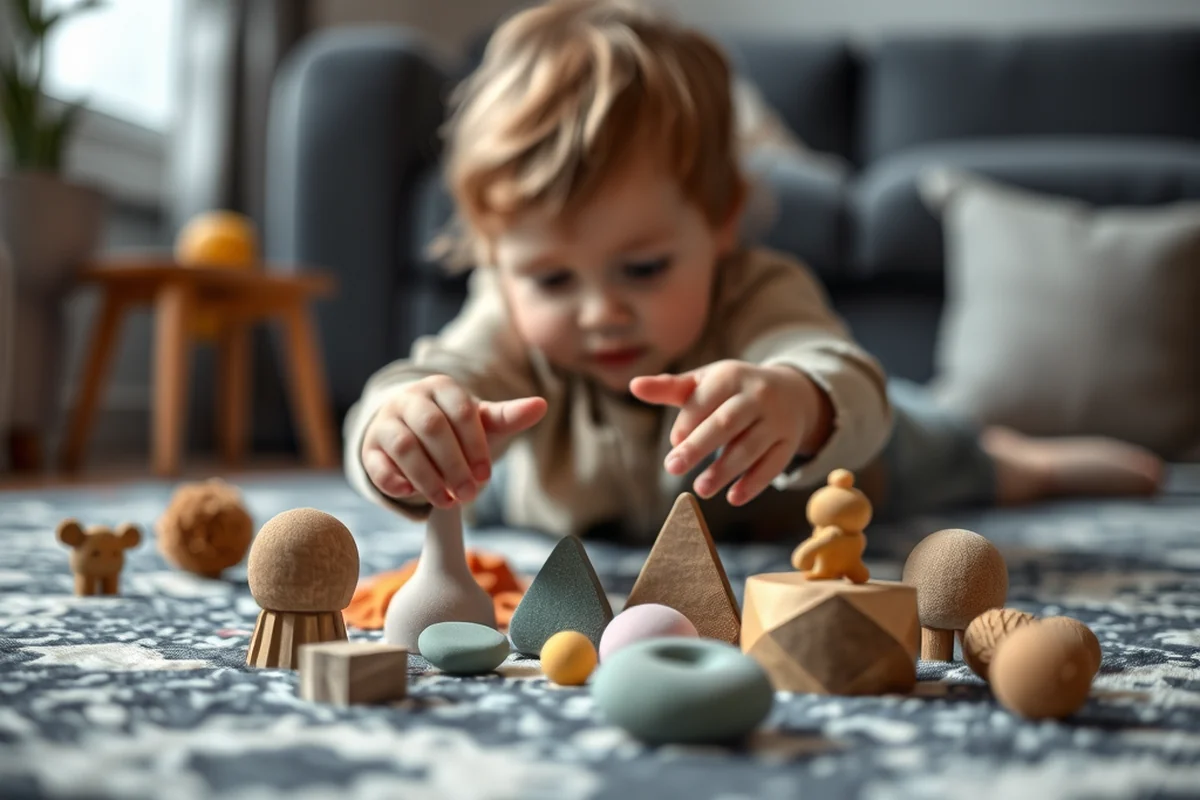
I’ve learned that a cheap toddler nature study doesn’t require a lot of equipment. For my first few walks, I took a small notebook, a pencil, and a few plastic containers to collect things like leaves, pebbles, and twigs. I didn’t bring a magnifying glass or any other tools — I wanted to keep it simple so my toddler wouldn’t feel overwhelmed.[3]
One of the biggest mistakes I made early on was bringing too many items. My toddler would get distracted by the containers, the notebook, and even the pencil. It was overwhelming for her. I realized that the best way to keep her focused was to bring just a couple of things and let her lead the way.
Now, I only bring a small notebook and a pencil. I don’t even use the notebook every time. Sometimes I just sit with her on the ground, watching the ants or birds. If she asks a question, I’ll write it down later. That’s enough for her, and it keeps the experience natural and unforced.
Keep it simple — your toddler needs less, not more.
Related: What is baby toddler
Related: Affordable toddler nature study
Related: Best toddler nature study
Making the Most of a Cheap Nature Study
One of the most valuable things I’ve learned is to let my toddler explore on her own terms. I’ve found that when I stop trying to direct her and instead follow her curiosity, the experience becomes more meaningful for both of us. If she wants to touch a leaf, she does. If she wants to watch a bug crawl, she does.
I’ve noticed that when I’m too involved or try to teach her specific things, like 'that’s a dandelion,' she loses interest. But when I just sit with her and ask, 'What do you think that is?' she becomes more engaged. She enjoys the process of discovering things on her own, even if she’s not always right.
I’ve also learned to embrace the mess. She loves getting her hands dirty, and I’ve realized that it’s not about being clean — it’s about being present. I’ve never used any special wipes or cleaning products. I just let her get messy and enjoy the experience. It’s not about perfection — it’s about connection.
If your toddler is fascinated by something, follow that. If they want to sit and watch a tree for 20 minutes, let them. You don’t need to be in control — you just need to be there.
“I remember the first time I brought my toddler to the park, thinking I needed an elaborate nature study setup — a magnifying glass, a…”— Toddler Nature Journaling Themes editors
How to Make a Nature Study a Routine
I’ve found that making a nature study a routine is one of the most effective ways to keep it going. I started by setting a time each week — usually on Fridays after work — to take my toddler on a nature walk. I kept it short, around 20 to 30 minutes, and I made sure to be there, even if I was tired or busy.
At first, it was hard to get into the habit, but once I did, it became something we both looked forward to. I’ve noticed that the more we do it, the more she starts to ask questions and engage with the world around her. It’s amazing how quickly she picks up on patterns in nature, like where the birds are, or what kind of clouds are in the sky.
The key to making it a routine is consistency. Even if it’s only 15 minutes a week, it helps. I’ve found that the best nature study is the one that’s done regularly, not the one that’s done once in a while and then forgotten.
How to Keep the Experience Engaging
I’ve learned that keeping a cheap toddler nature study engaging is all about variety. I used to take my toddler to the same park every time, and while it was nice, I noticed that she started to get bored with the same paths and the same trees. So I started taking her to different places — the park next door, the local botanical garden, and even our own backyard.
Each place has its own charm and its own things to discover. The botanical garden has a lot of flowers and butterflies. The neighborhood streets have different kinds of trees and birds. The backyard has worms and ladybugs. It’s amazing how much more she enjoys the experience when it’s not the same every time.
I’ve also found that changing the location helps her learn about different environments. She’s noticed that the park has more birds, the backyard has more insects, and the botanical garden has more flowers. It’s a great way to teach her about different types of nature and how they vary from place to place.
How to Use Nature to Teach Basic Concepts
I’ve discovered that a cheap toddler nature study is a great way to teach basic concepts like color, shape, and size. I’ve been using the things we see outside to help my toddler learn about these concepts in a natural, hands-on way. For example, when we see a red leaf, I’ll say, 'Look, that leaf is red.' When we see a big rock, I’ll say, 'That’s a big rock.'
I’ve also been using the shapes of things we see to teach her about circles, squares, and triangles. I’ve noticed that she’s starting to recognize these shapes in the world around her. I’ve found that she enjoys it more when it’s not forced — when it’s just part of our conversation as we walk.
I’ve also been using the concept of size to teach her about big and small. For example, when we see a large tree, I’ll say, 'That’s a big tree.' When we see a small flower, I’ll say, 'That’s a small flower.' It’s amazing how quickly she starts to understand these basic concepts through nature.
Teach with the world around you — it’s the best classroom of all.
How to Make It a Family Activity
I’ve found that making a cheap toddler nature study a family activity is a great way to make it more engaging and fun. I’ve started taking my toddler with my partner and even my brother when we go on nature walks. It’s amazing how much more she enjoys it when she has other people to interact with.
I’ve noticed that when my partner is there, she’s more likely to ask questions and engage with the world around her. She seems to enjoy having someone else to talk to, even if it’s just about the things we see. I’ve also noticed that my brother, who’s older, enjoys showing her things and explaining them in a way that’s more fun for her.
I’ve found that involving other family members not only makes the experience more fun, but it also helps create a stronger connection between the toddler and the rest of the family. It’s a great way to bond and make memories, all while learning about the natural world.
🍃 Gentle Toddler Nature Study
Ideal for toddlers who are easily overwhelmed, this approach focuses on calm, quiet exploration with minimal interaction.
🚀 Fast-Track Toddler Nature Study
Perfect for busy parents, this version keeps the nature study short and simple, with a focus on quick, engaging moments.
🧳 Travel/Away-from-Home Toddler Nature Study
For parents on the go, this version uses hotel rooms, parks, and even airports to explore nature in unexpected places.
👨👩👧👦 Multiple Toddler Nature Study
Tailored for families with multiple children, this approach keeps all toddlers engaged and learning at their own pace.
🔄 Regression Reset Toddler Nature Study
Designed for toddlers who are struggling with developmental delays, this version uses nature to help them regain focus and curiosity.
| The mistake | Why it happens | The fix |
|---|---|---|
| Bringing too many items on the nature walk. | It can overwhelm your toddler and take away from the experience. | Keep it simple — bring only a few items, like a notebook and a pencil. |
| Trying to direct the experience too much. | It can make your toddler feel pressured and lose interest. | Let your toddler lead the way and follow their curiosity. |
| Not making it a routine. | It can be hard to keep the experience going if it’s not done regularly. | Set a time each week to go on a nature walk and make it part of your family’s routine. |
| Forcing your toddler to participate. | It can create negative associations with nature and make the experience less enjoyable for them. | Let your toddler choose when and how they want to participate. Keep it fun and engaging. |
Cheap Toddler Nature Study
Common Questions
How long should a nature study session be for a toddler?
What if my toddler doesn’t want to participate?
Can I do a nature study indoors?
What if I don’t have access to a park or nature space?
References
- A Multiple Case Study of Nature Center Preschools (digitalcommons.unl.edu)
- Nature-Based and Traditional Preschoolers are Equally Prepared ... (files.eric.ed.gov)
- Environment as Curriculum for Infants and Toddlers | HeadStart.gov (headstart.gov)
Cite this guide
Toddler Nature Journaling Themes (2026). Cheap Toddler Nature Study. https://naturemarks.com/cheap-toddler-nature-study/
Feel free to cite or share this guide.