Toddler Nature Books Vs
📖 Table of Contents
- What Makes a Good Toddler Nature Book?
- How to Use a Nature Book During a Walk
- Choosing Between Board Books and Interactive Books
- The Best Books for Different Kinds of Nature Walks
- How to Keep Your Child Interested in Nature Books
- The Impact of a Good Nature Book on Language Development
- How to Choose Books Based on Your Child’s Interests
- Make It Your Way
- Frequently Asked Questions
I remember the first time my daughter sat in the grass for over 30 minutes, tracing leaves with her fingers and asking, 'Why do some leaves look like bugs?' It was a moment that made me realize how powerful a simple nature book could be in a toddler's hands. But as I started researching toddler nature books, I quickly found that not all of them are created equal. The difference between a book that sparks curiosity and one that’s just a pretty picture is huge, and I didn’t want to waste time or money on the wrong one.[1]
As a parent, I wanted a way to connect with my child through nature, but I also knew that time was limited. I didn’t want to spend hours trying to keep her attention or fight the frustration of books that were too complex or too vague. So I began testing different toddler nature books, and what I learned surprised me — some books were better for sparking engagement, others for building vocabulary, and some were just perfect for bedtime. This journey led me to understand that picking the right book could transform our time in nature, making it both educational and fun.
Over the months, I tried everything from board books with glossy pictures to interactive ones with flaps and textures. I watched how my child responded to each, noting the moments when her eyes lit up and when she lost interest. The key, I found, was not just the content of the book, but how it fit into our daily rhythm. I started to see a clear pattern: some books were better for quick outdoor sessions, while others needed more time to make an impact. This is what I hope to share with you — a guide that helps you choose toddler nature books that align with your family’s lifestyle, your child’s interests. Your own goals for learning through nature.
Why You'll Love This Guide to Toddler Nature Books
- Find books that match your child’s learning style and interests
- Save time by choosing books that are engaging and durable
- Discover how to use books as a tool for deeper connection during nature walks
- Learn which books are best for different stages of toddler development
What Makes a Good Toddler Nature Book?
As of August 2026, a great toddler nature book is one that doesn’t just show pictures — it invites your child to touch, listen, and explore. I found that books with textures, flaps, or crinkly pages helped my daughter stay engaged for much longer than flat picture books. The language should be simple but descriptive, using words like 'sparkly,' 'rough,' or 'squeaky.'[2]
Durability is another key factor. I learned the hard way that books with glued-on pages or thin covers didn’t last long with a curious toddler. I now look for books made with thick, tear-resistant pages and secure binding. Investing in a few solid books has saved me from the constant hassle of replacing broken ones.
Interactive elements make a big difference. One book I tried had a flap that revealed a hidden animal, and my daughter would squeal every time she found something new. These small details keep toddlers engaged and make learning feel like a game.
Opt for books with textures, flaps, or crinkly sounds to keep your toddler’s attention longer.
Part of our Toddler nature journal guide guide.
How to Use a Nature Book During a Walk
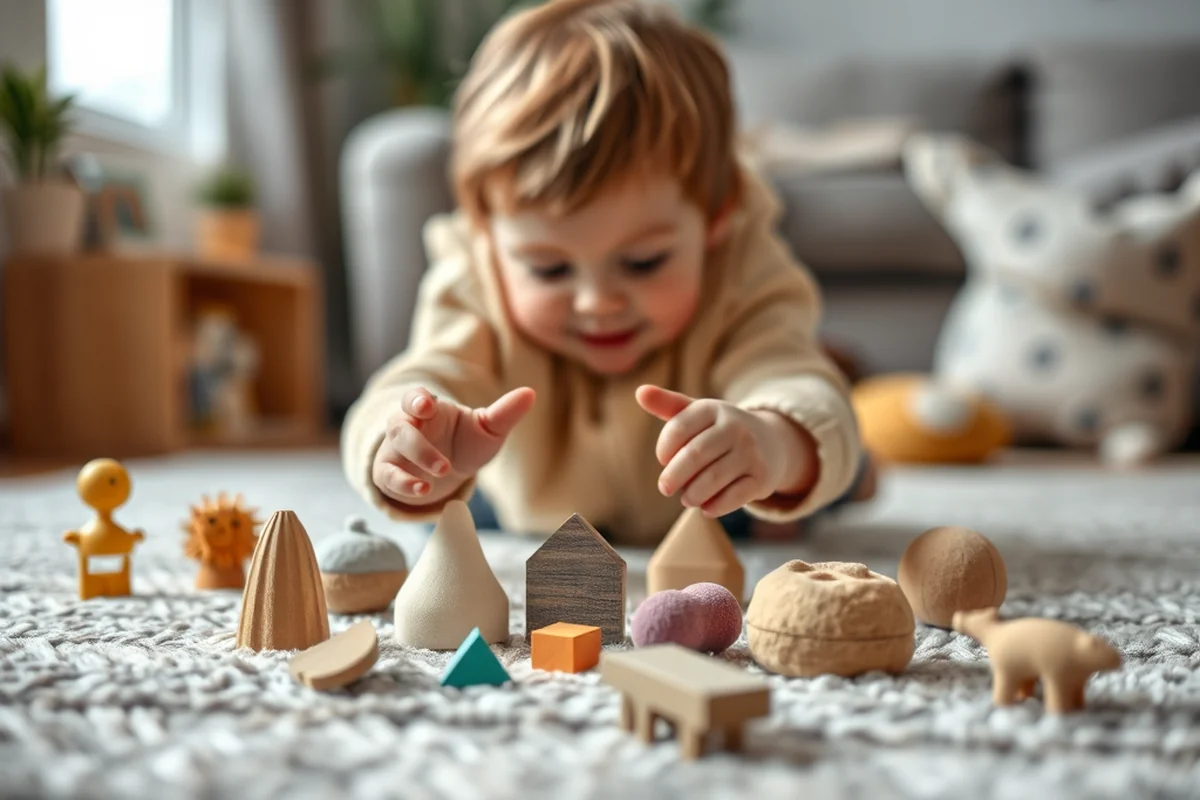
I’ve found that starting with a short walk and using a book as a guide helps keep my child focused. I’ll pick a book about trees, and as we walk, we point out different kinds of trees and compare them to the pictures in the book. This makes the experience more interactive and gives her a sense of accomplishment when she recognizes a tree from the book.
Books with questions are also helpful. One book I tried had a page that asked, 'What do you see that looks like a dragonfly?' It got my daughter to look closely and think about shapes and colors. These kinds of prompts make nature walks more engaging and educational.
I’ve noticed that using a nature book on a walk helps my daughter stay calm and focused, even when she’s excited or tired. It gives her something to do and keeps her from wandering off or getting distracted by other things.
A nature book turns a walk into a learning adventure.
Related: Toddler loves nature
Related: Toddler nature journal not working
Related: Toddler nature art ideas guide
Related: Why Toddler Nature Books
Related: Toddler nature ideas vs
Choosing Between Board Books and Interactive Books
I found that board books, with their thick, hard pages, are perfect for toddlers who are still learning to handle books. They’re more durable and can survive a few drops or a few bites — which is important when you have a toddler who’s still discovering the world through taste.
Interactive books, on the other hand, work best with toddlers who are more curious and can sit for longer periods. These books have flaps, textures, and sometimes even sounds that make them more engaging. One book I tried had a page where you could lift a flap and hear a bird call — it fascinated my daughter and kept her interested for over 10 minutes.[3]
I’ve found that choosing between board and interactive books depends on the child’s developmental stage and interests. If your child is still exploring how things work, a board book is a safe and solid choice. If your child is more curious and enjoys interactive learning, an interactive book is ideal.
Board books are best for under 18 months, while interactive books are better for toddlers 18-30 months old.
“I remember the first time my daughter sat in the grass for over 30 minutes, tracing leaves with her fingers and asking, 'Why do some…”— Toddler Nature Journaling Themes editors
The Best Books for Different Kinds of Nature Walks
I’ve found that books about forests, with pictures of trees, animals, and insects, are perfect for a forest walk. I took my daughter to a nearby nature reserve, and we used a book that showed a variety of birds and their nests. It helped her recognize different birds and even got her excited when she saw a blue jay.
For a beach trip, I found a book that focused on seashells, crabs, and ocean creatures. It had a page that showed how crabs move, which fascinated my daughter. She even tried to mimic the crab’s sideways walk, which was a fun and educational moment.
On city walks, we’ve used books about urban wildlife, like pigeons, squirrels, and even street trees. It helps my daughter see nature even in the city and makes her more observant of the world around her.
How to Keep Your Child Interested in Nature Books
I’ve learned that consistency helps. I try to read a nature book every day, even if it’s just for 5 minutes. It helps my daughter get used to the routine and makes the book feel like a regular part of her day. This has helped her stay interested and even look forward to the book time.
Creativity is also key. One day, I took a book about butterflies and we went outside to look for butterflies. It was a small change, but it made the book feel more real and connected to our surroundings. My daughter loved finding a butterfly that looked like the one in the book.
I’ve also found that mixing books with other activities helps keep things interesting. We’ll read a book about rocks, then go to a park and collect a few different kinds. This gives her something hands-on to do and keeps her engaged in a different way.
The Impact of a Good Nature Book on Language Development
I’ve noticed that using a nature book has helped my daughter learn new words related to nature. She now knows words like 'bark,' 'feathers,' and 'petal' that she didn’t know before. This kind of vocabulary helps her describe the world around her more clearly.
Books with descriptive language are especially helpful. One book I tried used words like 'shiny,' 'rough,' and 'soft' to describe different parts of a tree. This helped my daughter understand different textures and even use them in her own speech.
I’ve also seen how using a nature book has helped my daughter ask more questions. She now asks things like, 'What does this leaf feel like?' or 'What kind of animal is this?' This curiosity helps her develop better language skills and a love for learning.
A good nature book is like a language lesson in disguise.
How to Choose Books Based on Your Child’s Interests
I’ve found that if my daughter is interested in animals, we’ll pick a book that focuses on different kinds of animals. If she’s more interested in plants, we’ll pick a book about flowers, trees, and leaves. This helps her stay engaged and makes learning feel more natural.
Books with bright, colorful pictures are also important. My daughter is drawn to books with vivid colors and clear images. I’ve noticed that when the pictures are clear, she can recognize animals and plants more easily.
I’ve also found that letting my daughter choose a book gives her a sense of ownership. When she picks a book, she’s more likely to engage with it and even ask for it again the next day.
🌿 Gentle Approach
A slow, low-pressure way to introduce nature books with a focus on simple, sensory experiences.
🚀 Fast-Track Approach
A quick, focused method to get your toddler engaged with nature books in just a few minutes.
🌍 Travel/away-from-home Approach
A way to use nature books during trips or when you’re on the move, keeping your toddler curious and engaged.
👶 Multiples Approach
A strategy for parents with more than one toddler, using books to engage multiple children at once.
🔄 Regression Reset Approach
A method to re-engage a toddler who has lost interest in nature books by introducing new, interactive elements.
| The mistake | Why it happens | The fix |
|---|---|---|
| Choosing a book that’s too complex for a toddler. | Books that are too complex can overwhelm a toddler and make them lose interest. | Choose books with simple language and clear, bright pictures that are easy to understand. |
| Not engaging with the book while reading it. | If you’re not engaging with the book, your toddler may not get the full benefit of the learning experience. | Read the book with your toddler and point out the pictures, ask questions, and interact with the book. |
| Using a book that’s not interactive or sensory. | Books that are just flat pictures can be boring for a toddler who enjoys hands-on learning. | Choose books with textures, flaps, or other interactive elements that make learning more engaging. |
| Not matching the book to your toddler’s interests. | If the book doesn’t match your toddler’s interests, they may not be as engaged or interested in it. | Look for books that match your toddler’s interests, whether it’s animals, plants, or other elements of nature. |
Toddler Nature Books Vs
Common Questions
How often should I read a nature book to my toddler?
What should I do if my toddler is not interested in nature books?
How can I make nature books more engaging for my toddler?
Are board books still useful for older toddlers?
Cite this guide
Toddler Nature Journaling Themes (2026). Toddler Nature Books Vs. https://naturemarks.com/toddler-nature-books-vs/[4]
Feel free to cite or share this guide.
References
- Finding Our Nature in Picture Books | National Endowment for the Arts (arts.gov)
- Wonder While You Wander: Black Children in the Outdoors (blogs.hope.edu)
- Early Childhood Education: The Benefits of Reading Books About ... (blueridge.edu)
- Children's Books - Zaytuna College Bookstore (bookstore.zaytuna.edu)