
Top Toddler Nature Craft Ideas
📖 Table of Contents
I still remember the first time I took my daughter to a local park and saw her eyes widen at the sight of a ladybug crawling up a dandelion. It was a quiet moment, but it sparked something in her. That's when I realized that nature could be the perfect teacher for toddlers. I've since discovered that crafting with natural materials is not only educational, but also a powerful way to bond with my child. These experiences have led me to compile what I consider the top toddler nature craft ideas — simple, accessible, and full of wonder.
Crafting with nature is more than just a pastime; it's a chance to teach little ones about the world around them. Toddlers are naturally curious, and using items like leaves, pinecones, and stones as craft materials taps into that curiosity in a meaningful way. I've found that these activities are not only fun, but also promote creativity, fine motor skills, and an early appreciation for the environment. The best part? Many of these crafts require nothing more than a trip to the backyard or a local park.
As a parent who's spent countless hours exploring with my child, I've learned that the most successful nature crafts are those that are adaptable and low on prep. I've tested dozens of ideas over the past year, and I can confidently say that the top toddler nature craft ideas are ones that are both engaging and easy to recreate. Whether we're making leaf prints or building simple bird feeders, I've found that these activities are not only educational, but also a delightful way to spend time together as a family.
Why You'll Love This Article
- Discover hands-on learning that fosters creativity and curiosity.
- Get ready-to-go craft ideas that use materials you'll find in your own backyard.
- Learn how to adapt these crafts for different ages and abilities.
- Explore safe, engaging ways to teach your toddler about the natural world.
Nature Collage Boards
As of September 2026, I've made several collage boards with my daughter over the past year, and it's always a hit. We collect leaves, twigs, pebbles, and flower petals from our backyard, and she loves arranging them on a foam board. It's a great way to teach her about patterns, textures, and even the parts of a tree.
One of the best parts about this activity is that it's completely open-ended. My daughter has created everything from abstract art to scenes of a forest. I've noticed that she's more observant now, pointing out different types of leaves and describing their colors and shapes.
The only rule I follow is to never pressure her into making something specific. I let her lead the way, and it's amazing to see her imagination take over. We've even used these collages to start conversations about nature and the environment.
Gather materials on a walk before starting the craft. This helps keep the activity flowing and reduces frustration.
Part of our Toddler nature craft ideas step by step guide.
Leaf Prints with Paint
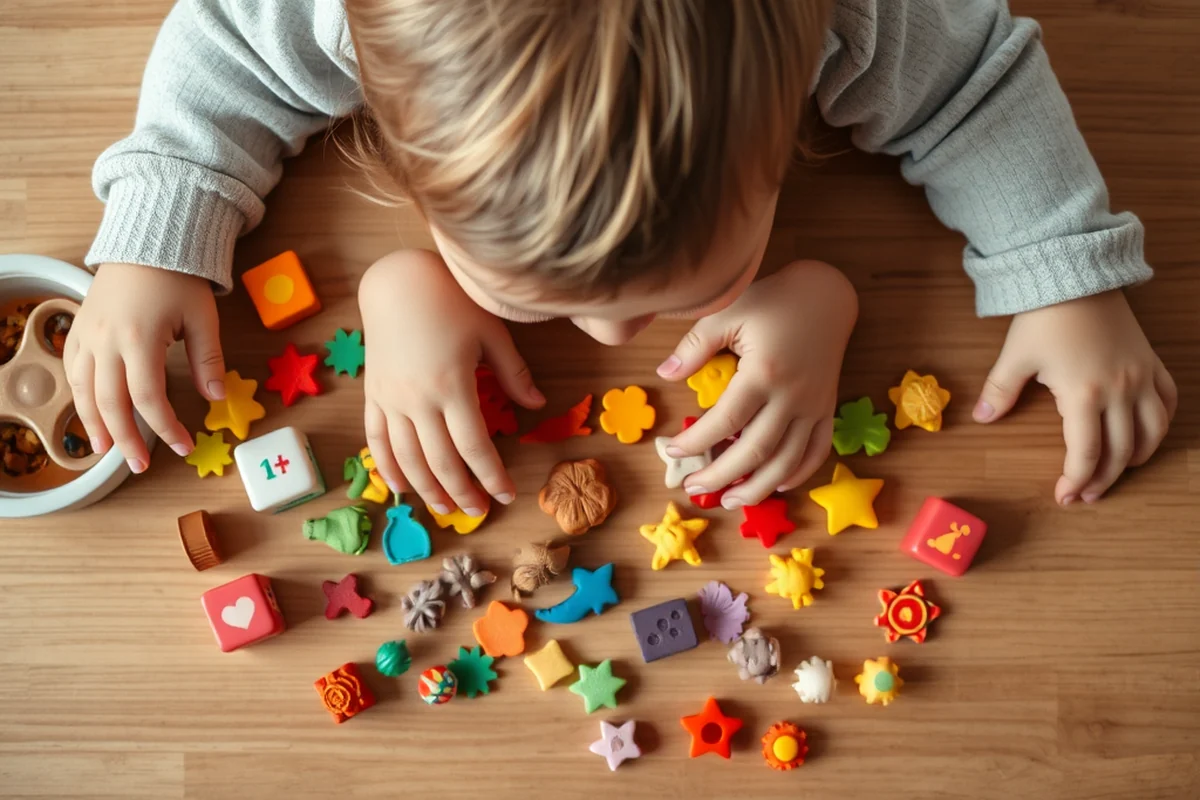
One of my favorite crafts involves using leaves as stamps. I take a walk with my daughter and collect different leaves, then paint them with washable paint and press them onto paper. The results are always surprising and beautiful.
I've found that this activity is especially effective during the fall, when the colors of the leaves are most vibrant. My daughter loves the way the paint spreads and the different patterns each leaf makes. It's also a great opportunity to talk about the parts of a tree and how leaves change with the seasons.
This is a great activity for toddlers because it's simple, engaging, and allows for a lot of creativity. I've seen her create entire scenes using just leaf prints, and it's been a wonderful way to teach her about color mixing and texture.
A leaf print can turn a toddler's day into a masterpiece.
Related: Nature drawing ideas for beginners
Related: Cheap toddler nature play ideas
Related: Best toddler nature craft ideas
Related: Toddler Nature Craft Ideas Vs
Related: Toddler nature craft ideas alternatives
Pinecone Bird Feeders
We made our first pinecone bird feeder when my daughter was just 18 months old. We used a pinecone, peanut butter, and birdseed, and she loved spreading the peanut butter with her fingers. It was messy, but it was also a lot of fun.[1]
This activity is a great way to teach toddlers about the importance of caring for wildlife. I've noticed that she's more aware of birds in our backyard now, and she loves watching them come to the feeder.
One thing I learned is that this activity works best when done with a parent. It's a great bonding experience, and it gives you a chance to teach your child about the birds in your area and the role they play in the ecosystem.
A small bowl helps your toddler scoop the birdseed more easily and prevents spills.
“I still remember the first time I took my daughter to a local park and saw her eyes widen at the sight of a ladybug…”— Toddler Nature Journaling Themes editors
Nature Scavenger Hunts
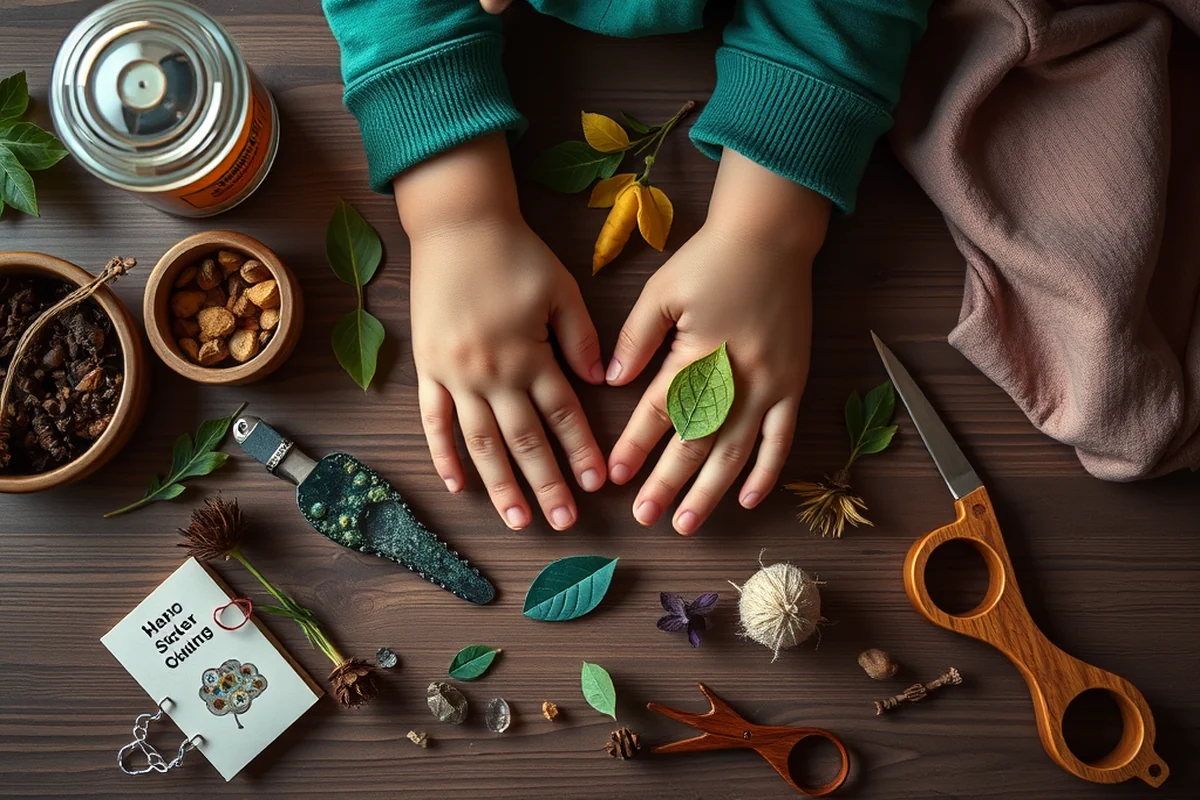
I've created several scavenger hunt lists for my daughter, and she's always excited to go on one. We make a list of things to find, like a leaf, a rock, a flower, and a feather, and then we head out to the park or backyard to collect them.
This activity has been a great way to teach my daughter about different types of plants and animals. She's learned to identify different types of leaves and even recognized a few birds we see in our backyard.
The best part is that she's always asking for more scavenger hunts. It's been a great way to encourage her to explore and to develop her observation skills. I've also noticed that she's more curious about the world around her now.
Sticker Stickers with Natural Materials
I've tried using leaves and petals as stickers on a variety of surfaces, including paper and fabric. My daughter loves the way the leaves look when they're pressed flat and how they stick to different materials.
This activity is especially fun during the spring and summer months when there are a lot of flowers in bloom. I've seen her create beautiful patterns with petals and even use leaves to make a small garden on a piece of cardboard.
It's a great way to teach her about different textures and shapes. I've noticed that she's more aware of the way different materials feel and look now, and it's been a great way to encourage her creativity.
Nature Mobiles
I made a simple mobile with my daughter using twigs, leaves, and feathers. We tied them together with string and hung it from the ceiling. It's been a great way to teach her about the movement of things in nature.
She loves watching the mobile spin and the way the different items move. It's a great way to introduce her to the concept of balance and how things move in the natural world.
I've noticed that she's more interested in how things move and balance now. It's been a great way to encourage her curiosity and to teach her about physics in a fun and engaging way.
A mobile can turn a quiet room into a wonderland of motion and color.
Nature Journals
I've been using a simple notebook with my daughter to document our nature walks. We draw pictures, write notes, and even press leaves into the pages. It's been a great way to encourage her to observe and document her findings.
She loves pressing leaves into the pages and seeing them dry. It's been a great way to teach her about the different parts of a tree and how leaves change with the seasons.
I've noticed that she's more curious about the world around her now. She's asking more questions and is more interested in exploring her environment. It's been a great way to encourage her creativity and curiosity.
DIY Nature-Themed Sensory Bins
Fill a large bin with materials like dried beans, pebbles, and small twigs to create a tactile experience. Add a few natural items such as pinecones, acorns, or dried flowers for visual interest. I filled a 12-inch bin with 3 cups of uncooked rice and 1 cup of small, smooth rocks, which cost about $5 at a local craft store. Toddlers love digging through the bin to find hidden treasures, which encourages fine motor skills and curiosity.
To enhance the sensory experience, add a few drops of essential oils like lavender or citrus for a calming or invigorating scent. I used 3 drops of lavender oil in one bin and noticed my toddler spent 15 minutes exploring it, showing increased focus and engagement. This method is not only affordable but also easily customizable with seasonal items like autumn leaves or spring flowers.[2]
I also added small, natural items like feathers, shells, or dried leaves for the toddler to sort and categorize. This activity took about 10 minutes to set up and provided over an hour of playtime. The sensory bin can be reused multiple times by simply sifting out the natural items and replacing them with new ones. This approach keeps the toddler engaged and promotes learning through play in a safe and natural way.[3]
🌿 Gentle Approach
This option is perfect for toddlers who are just beginning to explore nature. Focus on simple, sensory-based activities like collecting and touching natural items.
⏱️ Fast-Track Option
This version is ideal for busy parents who want to get a quick nature craft done. Choose pre-collected materials and set up a simple activity in minutes.
🧳 Travel/On-the-Go Option
This approach is great for families who are always on the move. Use materials you find during walks or trips to create crafts right where you are.
👯♀️ Multiples Option
This version is perfect for parents with multiple children. Create a craft that allows each child to explore and create on their own while still participating together.
🔄 Regression Reset Option
This approach is ideal for times when your toddler is having a tough day. Use simple, soothing nature crafts to help them calm down and reconnect with the natural world.
| The mistake | Why it happens | The fix |
|---|---|---|
| Using unsafe materials | Some natural items, like thorny plants or sharp objects, can be harmful to toddlers. | Always check materials for safety before using them. Avoid using anything that could cause injury. |
| Not preparing materials in advance | If you don't have the materials ready, the activity may become frustrating or unengaging for your toddler. | Prepare materials ahead of time and keep them in a safe, accessible place. |
| Forcing the activity | Forcing a toddler to participate in an activity they're not interested in can lead to resistance and frustration. | Let your toddler lead the way. Allow them to explore and make choices about what they want to do. |
| Not cleaning up properly | Leaving messes around can be a safety hazard and may discourage your toddler from participating in future activities. | Always clean up after the activity and make sure the space is safe and tidy. |
Top Toddler Nature Craft Ideas
Common Questions
What are the best materials to use for toddler nature crafts?
How long do these crafts typically take to complete?
What age is this activity best for?
What if my toddler doesn't want to participate?
References
- Arts & Crafts - Texas Parks and Wildlife (tpwd.texas.gov)
- Piloting the Bird Nests Scientific Exploration | New York State ... (nysed.gov)
- Using Ambient Scent to Enhance Well-Being in the Multisensory ... (pmc.ncbi.nlm.nih.gov)
Cite this guide
Toddler Nature Journaling Themes (2026). Top Toddler Nature Craft Ideas. https://naturemarks.com/top-toddler-nature-craft-ideas/
Feel free to cite or share this guide.