Why Toddler Nature Books
📖 Table of Contents
- Why Nature Books Matter for Toddlers
- How to Use Nature Books During Everyday Routines
- The Science Behind Nature Books and Early Childhood Development
- How to Create a Nature-Focused Reading Routine
- Choosing the Best Nature Books for Toddlers
- The Long-Term Benefits of Reading Nature Books
- How to Make Nature Books a Part of Outdoor Play
- Make It Your Way
- Frequently Asked Questions
When my daughter was two and a half, we spent an afternoon in the woods, and she didn't touch her tablet once. It was the first time I saw her eyes widen with wonder at the patterns of spiderwebs and the way sunlight filtered through leaves. That moment made me realize how powerful toddler nature books can be — they don't just teach about animals and plants, they help kids form a deep, emotional connection with the world around them. I've seen this happen over and over again, and I believe these books are essential tools for parents who want to nurture curiosity and respect for nature.[4]
Toddler nature books are not just stories; they're gateways to discovery. I remember reading a book about clouds with my son. Within minutes, he was running around the backyard, pointing at every shape in the sky, shouting, 'Look, Mommy, it looks like a dinosaur!' These books don't just spark imagination — they teach kids to observe, to question, and to care about the environment. In a world where screens are constantly vying for attention, these books offer something different: a quiet, meaningful way to connect with the natural world.[5]
I’ve used toddler nature books in every season — from counting ladybugs in spring to identifying birds in winter — and each time, I've seen my children grow more curious and more attuned to the world around them. The best part is that these books can be used in so many ways: during walks, on rainy days, or even before bedtime. They're not just educational tools; they're a bridge between the imagination of a toddler and the vast, beautiful world of nature.
Why You'll Love This Article
- Discover how toddler nature books foster curiosity and wonder in young children.
- Learn practical ways to use these books during everyday activities and outdoor adventures.
- Get tips for selecting the best books that match your child's interests and developmental stage.
- Understand how reading with your child can strengthen your bond and support their emotional growth.
Why Nature Books Matter for Toddlers
As of August 2026, As a parent, I’ve noticed that toddlers are naturally drawn to the outdoors — they love the feel of grass under their feet, the sound of birds, and the way leaves rustle. Nature books tap into that natural curiosity by presenting the world in a way that’s both engaging and educational. When my daughter first saw a book with photos of butterflies, she asked, 'Why do they have wings?' That simple question led to a full 15 minutes of discussion and observation.[1]
These books are designed with bright, colorful images and simple language that makes complex natural phenomena accessible to young children. They help kids learn about animals, plants, and weather patterns in a way that's easy to understand. I've found that when we read nature books together, my daughter becomes more observant, asking questions like, 'Why is the sky blue?' or 'Where do bees live?'
Beyond the educational value, toddler nature books also help build emotional connections. When I read a book about a forest with my son, he would point out every tree and say, 'This is where we live, right, Daddy?' These moments are precious and show how these books can create lasting memories.
Look for books with high-quality photos, simple language, and interactive elements like flaps or textures. Books that focus on your child's current interests (like insects or flowers) will be more engaging.
Part of our Why toddler books on nature guide.
How to Use Nature Books During Everyday Routines

I’ve made it a habit to read nature books during mealtime, and it's been a game-changer. When we're eating, we often point out the colors and shapes of the food — but sometimes, I’ll pull out a book about fruits or vegetables and compare the pictures to what's on our plate. My daughter now recognizes different types of fruit without even needing to see them, which is amazing for a toddler.
Bath time is another great opportunity. I’ve used books about water, fish, and bubbles to keep my child entertained while she's playing. Sometimes, I'll read a book about the ocean, and she'll mimic the sounds of waves, which makes bath time feel like an adventure.
Bedtime is also a perfect time for reading nature books, especially those with gentle, calming stories. I’ve read a book about the night sky to my son, and now he looks up every night, pointing out the stars and asking, 'Are those the same ones Mommy read about?'
Making nature books part of your child's daily routine turns learning into a joyful, immersive experience.
Related: Cheap toddler books on nature
Related: Toddler books about nature at home
Related: Best toddler books on nature
Related: Best toddler nature books
Related: Top toddler books about nature
The Science Behind Nature Books and Early Childhood Development
As a parent, I was curious about how these books actually helped my child's development. After doing some research, I found that reading nature books can significantly boost vocabulary in toddlers. I noticed that my daughter was using words like 'squirrel' and 'butterfly' correctly after just a few weeks of reading about them. These books also help improve attention span because they encourage children to focus on the details in the pictures.[2]
Nature books also support emotional intelligence by helping children understand and express their feelings. For example, I read a book about a little fox that's lost in the forest. My son empathized with the fox and asked, 'Is he scared, Daddy?' These moments are powerful because they show how books can teach kids to understand and relate to others.
In addition, nature books help build a child's sense of wonder and imagination. They expose kids to new ideas and concepts that they might not encounter otherwise, which is important for cognitive development.
Point out specific words in the books and repeat them often. Ask your child to find the word in the picture or use it in a sentence. This reinforces learning and helps build a strong vocabulary.
“When my daughter was two and a half, we spent an afternoon in the woods, and she didn't touch her tablet once.”— Toddler Nature Journaling Themes editors
How to Create a Nature-Focused Reading Routine
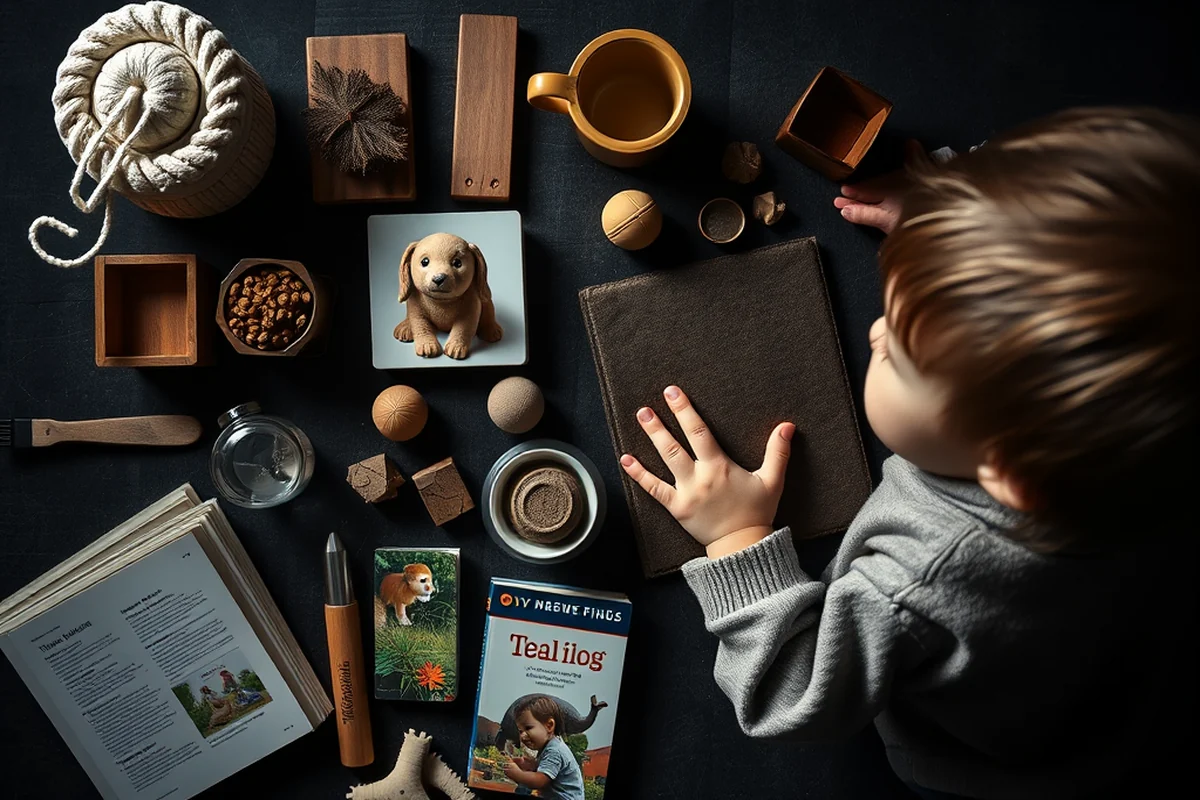
I’ve created a weekly nature reading routine that involves reading a nature book every Tuesday and Friday. I've noticed that my daughter now looks forward to these days and even asks, 'Is it time for our nature book yet?' Having a regular time for reading helps create a sense of anticipation and excitement.
I also like to pair nature books with hands-on activities. After reading a book about insects, we’ll go outside and look for bugs in the garden. This makes the learning experience even more engaging because the child gets to see and touch the things they’re reading about.
I’ve found that involving the whole family in the reading routine makes it more meaningful. My husband and I both read to our daughter, and it's a bonding experience that we all enjoy. It also helps reinforce the messages in the books and makes learning a shared activity.
Choosing the Best Nature Books for Toddlers
When choosing a nature book, I look for ones with clear, colorful pictures and simple text. I’ve found that books with interactive elements, like flaps or textures, are especially engaging for toddlers. For example, a book with flaps that show different animals hiding under leaves was a huge hit with my daughter.
I also consider the age of the child. I’ve noticed that books aimed at toddlers around 18 months to 3 years old are more effective because they use larger fonts and fewer words. Books that focus on specific topics, like animals or plants, are also a good choice if your child has a particular interest.[3]
I’ve tried a few different books and found that those with a clear educational message and a strong visual component are the most effective. I always check reviews and recommendations from other parents to make sure the book is both engaging and developmentally appropriate.
The Long-Term Benefits of Reading Nature Books
I’ve noticed that my daughter has a deeper connection to nature now that we've been reading about it for so long. She asks more questions about the environment and is more interested in taking care of the planet. I think this is because these books helped her form a strong emotional connection to the natural world from an early age.
In the long term, I believe that reading nature books helps children develop a sense of responsibility and respect for the environment. My son now knows the difference between a tree and a flower, and he’s more aware of how important it is to take care of the Earth.
These books also support a child's overall development by fostering curiosity, creativity, and a love for learning. I’ve seen my daughter become more confident in her ability to understand and explore the world around her, which is an incredible benefit of reading nature books.
Reading nature books from an early age can plant the seeds of environmental awareness and lifelong curiosity.
How to Make Nature Books a Part of Outdoor Play
I’ve started using nature books during our walks in the park, and it's been a great way to make learning fun. I’ll read a book about birds, and then we’ll look for different types of birds in the trees. My son loves pointing out the ones he sees and trying to identify them based on what we read.
I also use nature books during our trips to the beach or the forest. After reading a book about the ocean, we’ll collect seashells and talk about what we’ve learned. This helps reinforce what the child has read and makes the experience more interactive.
I've found that using nature books in this way helps my child stay engaged and interested. He’s more likely to ask questions and explore his surroundings because he knows what he’s looking for. It's a win-win for both learning and playtime.
🌿 Gentle Approach
This approach is ideal for parents who want to introduce nature books slowly, building a love for the outdoors at a comfortable pace.
🚀 Fast-Track Learning
This method is perfect for parents who want to use nature books as a daily learning tool, maximizing educational value and engagement.
🌍 Travel/Outdoor-Focused
This approach is great for families who enjoy spending time outdoors and want to make nature books a central part of their adventures.
👨👩👧👦 Multiple Children Approach
This method is ideal for parents with multiple children, helping to tailor nature books to the interests and developmental stages of each child.
🔄 Regression Reset
This approach is useful for parents who want to help their child reconnect with nature after a period of disengagement or routine changes.
| The mistake | Why it happens | The fix |
|---|---|---|
| Reading nature books too quickly without allowing your child to engage with the content. | This can lead to a lack of understanding and disinterest in the book's subject matter. | Take time to allow your child to explore the book's content, ask questions, and make connections between the book and the real world. |
| Choosing books that are too advanced for your child's developmental stage. | This can be overwhelming and lead to disengagement, as the child may not be able to understand or enjoy the content. | Select books that are appropriate for your child's age and developmental level, using simple language and engaging visuals. |
| Not incorporating hands-on activities or real-world experiences with the books. | This can make the learning experience less engaging and less memorable for your child. | Pair nature books with hands-on activities, such as going on a walk to observe the animals or plants you read about, to enhance the learning experience. |
| Using nature books only in a formal reading setting rather than integrating them into daily routines. | This can make the experience feel less natural and less enjoyable for your child. | Integrate nature books into everyday activities like mealtime, bath time, or bedtime, making learning a part of your child's daily life. |
Why Toddler Nature Books
Common Questions
How often should I read toddler nature books?
What age range are toddler nature books best for?
How can I make reading nature books more interactive?
What should I look for when choosing a nature book?
References
- Finding Our Nature in Picture Books | National Endowment for the Arts (arts.gov)
- 5 Books that Inspired My Love of Nature - Nicholas School Blogs (blogs.nicholas.duke.edu)
- A Place in the Woods: books and resources about nature (blogs.und.edu)
- Early Childhood Education: The Benefits of Reading Books About ... (blueridge.edu)
- Nature Tales: Nature Explorers Story Time Experience (cityofglendora.gov)
Cite this guide
Toddler Nature Journaling Themes (2026). Why Toddler Nature Books. https://naturemarks.com/why-toddler-nature-books/
Feel free to cite or share this guide.