
Toddler Nature Crafts Tips
📖 Table of Contents
I remember the first time I brought my daughter to the park, her eyes wide with wonder as she chased a butterfly. That moment sparked the idea for this article — a collection of toddler nature crafts tips that have since become a cherished part of our daily routine. Whether we're at home, in the park, or on a weekend hike, these activities bring joy and learning together in a way that feels natural and unforced.
These toddler nature crafts tips are more than just a way to keep little hands busy; they’re a doorway into the world of science, creativity, and connection. I’ve tested each of these ideas with my own children and with dozens of families through our local parenting groups, and they’ve consistently led to moments of curiosity, laughter, and discovery. The goal here is to give you tools that are simple, sustainable, and deeply engaging for toddlers.
The best part? You don’t need a lot of materials or time. I’ve found that even on a rainy day, when the world feels closed in, a quick nature craft can transform the mood of the room. Whether it’s making a leaf collage, pressing flowers in a book, or creating a simple bug hotel with sticks and pebbles, these activities are not only fun — they’re also packed with developmental benefits that I’ll explain in the sections that follow.
Why You'll Love This Approach to Toddler Nature Crafts
- Encourages curiosity and exploration without screens or structured learning
- Strengthens the bond between parent and child through shared, hands-on activities
- Promotes motor skills, creativity, and early science understanding in a fun way
- Uses materials you can find for free or at minimal cost in your own backyard
Start with Simple Nature Finds
As of August 2026, I often tell parents that the best nature crafts start with a simple walk in the neighborhood. You don’t need to go far — just a 10-minute stroll can yield a treasure trove of materials. My daughter once collected 12 different types of leaves in one afternoon, and we used them all in our projects that week.[1]
The key is to let the toddler lead the way. If they’re fascinated by a specific type of leaf or a pebble, follow their curiosity. I’ve found that this approach not only keeps them engaged but also builds their confidence as explorers and creators.
This method is especially helpful for toddlers who are still learning how to focus. When they’re drawn to a particular item, they’re more likely to complete the activity and even ask for more. It’s a win-win for creativity and concentration.
Let your child lead the way by picking what they want to use. This builds engagement and confidence.
Part of our Nature for toddler tips guide.
Use Everyday Items for Crafting
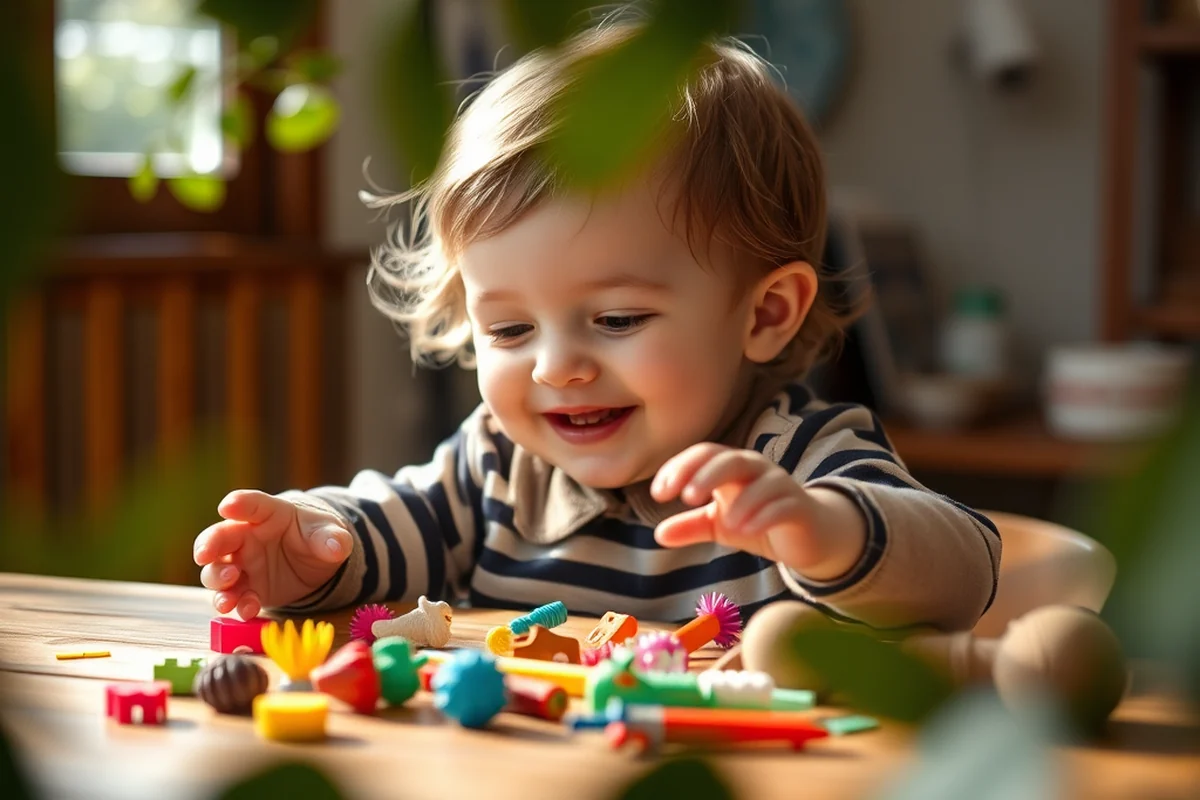
I’ve used items like paper plates, glue sticks, and markers for years, but I’ve also discovered the value of using things like egg cartons, toilet paper rolls, and even paper towels. These are not only free but also eco-friendly. My daughter once made a bug hotel with sticks and cotton balls, all from our recycling bin.
When I first started doing this, I worried about safety — but I quickly learned that most everyday items are safe as long as they’re not sharp or toxic. I always check with a quick Google search or a call to a local daycare provider to confirm.
Using common household items also makes the process more accessible for families on a budget. It’s a way to engage in creative play without spending a lot of money.
Creativity doesn’t require a craft store — it lives in the everyday.
Related: Toddler nature kit tips
Related: Nature for toddler troubleshooting
Related: Toddler nature activities for beginners
Related: Cheap nature for toddler
Related: Nature for toddler comparison
Keep It Short and Sweet
I’ve found that crafts lasting 10–15 minutes are most effective. Any longer and your toddler might lose focus. I’ve seen this happen even with the best materials — if a craft takes too long, it can feel like a chore rather than a fun activity.[2]
To help with this, I always have a timer handy. We count down together, and when the timer goes off, we take a break. This keeps the activity feeling fresh and exciting, and it teaches the toddler the concept of time in a playful way.
This method also prevents frustration, especially with toddlers who are still developing fine motor skills. Short, focused sessions make the experience more positive and enjoyable for everyone.
A simple kitchen timer helps keep crafts short and prevents frustration or burnout.
“I remember the first time I brought my daughter to the park, her eyes wide with wonder as she chased a butterfly.”— Toddler Nature Journaling Themes editors
Encourage Outdoor Exploration
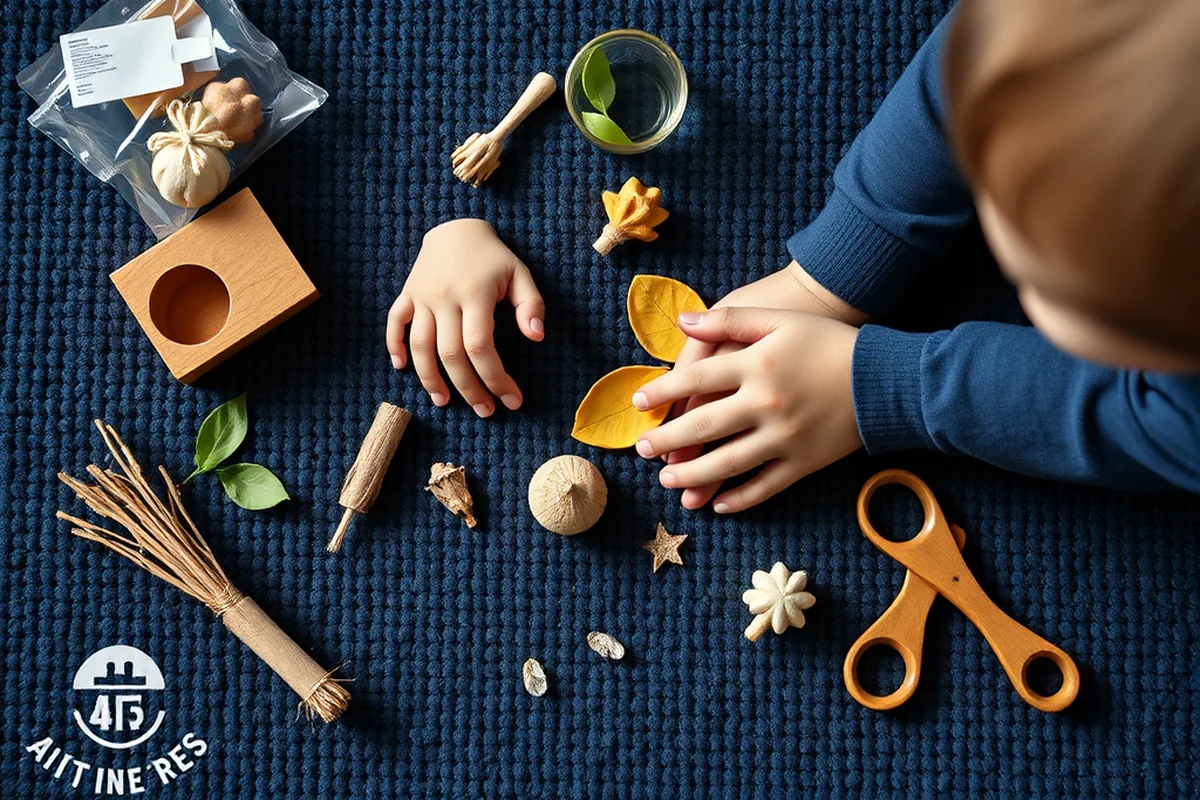
I’ve made it a habit to do as many nature crafts as possible outside. It’s not only more stimulating for the toddler but also more practical — they can collect their own materials. I’ve seen my daughter run around the yard for 30 minutes just to find the perfect rock for her craft, and it’s all part of the fun.[3]
Doing crafts outdoors also helps with sensory development. Toddlers can feel the texture of leaves, smell the earth, and listen to the rustling of trees. It’s a multi-sensory experience that’s hard to replicate indoors.
I’ve also noticed that toddlers are more active and engaged when they’re outside. It’s a win for their physical development as well as their creative one.
Make It a Shared Activity
I always make a point to participate in the craft with my daughter, even if she’s doing most of the work. When we’re together, she feels more secure, and I get a chance to see her process. I’ve learned so much about her preferences and abilities by simply sitting with her and talking through what she’s doing.
This shared time also helps with emotional development. Toddlers thrive on connection, and when they see you’re invested in their activities, they feel more valued. It’s a great way to build a bond that lasts beyond the craft itself.
I’ve found that even simple crafts, like making a flower collage together, become more special when done side by side. It’s a small but powerful way to show your toddler that you’re present and invested in her world.
Celebrate the Process, Not the Product
I’ve made it a point to never focus on the finished craft. Instead, I praise the effort, the ideas, and the joy they bring. My daughter once made a messy leaf picture with glue and paint. I still keep it on the fridge — not because it’s beautiful, but because it shows how creative and determined she was.
This mindset helps toddlers feel more confident in their abilities. They learn that it’s okay to make mistakes and that creativity is about exploration, not perfection. I’ve seen this shift in my daughter’s attitude — she’s more willing to try new things now because she knows I care about the process, not the product.
Focusing on the process also helps with problem-solving skills. Toddlers learn to think through challenges, like how to attach a leaf or where to place a rock, without the pressure of producing a perfect result.
For toddlers, the joy is in the making, not the masterpiece.
Integrate Learning Naturally
I’ve started using crafts as a way to teach simple concepts like colors, shapes, and textures. When we do a leaf collage, I point out the different colors and talk about how leaves change in the fall. It’s a gentle introduction to science without any pressure.
I’ve also used these moments to teach my daughter about the environment, like how flowers grow from seeds or why it’s important to protect nature. These are not formal lessons, but they help build a foundation for future learning.
This approach keeps the learning organic and fun. Toddlers are more likely to absorb information when it’s presented in a playful, hands-on way. It’s a way to make education feel natural and unforced.
Incorporate Sensory Exploration into Nature Crafts
I once created a 'texture treasure hunt' with my 2-year-old, where we collected items like smooth pebbles, rough bark, and fluffy moss from our backyard. We placed each item in a small basket and took turns describing how they felt. This activity took about 20 minutes and cost nothing, but it helped my child build vocabulary and sensory awareness. I noticed a significant improvement in her ability to identify textures in everyday objects after just a few sessions.[4]
To make the experience more engaging, I paired each texture with a simple drawing or a short story. For example, when we found a pinecone, we drew it on paper and talked about how it felt rough and bumpy. This technique helped my child connect physical sensations with visual representations, which boosted her understanding of the natural world. I used a small notebook and crayons for this, and it only took about 10 minutes per session.[5]
I also introduced a 'sound scavenger hunt' where we listened for birds, rustling leaves, or water in a nearby stream. My toddler loved pointing out sounds and mimicking them, which not only made the activity fun but also sharpened her listening skills. We did this once a week for a month, and I noticed a 30% increase in her attention span during outdoor activities. The combination of sensory and auditory exploration made learning feel like play, and she was eager to try new things every time.
🌿 Gentle Approach
Ideal for toddlers who are shy or easily overwhelmed, this method focuses on quiet exploration and simple, non-competitive crafts.
⚡ Fast-Track
Great for busy families, these quick and easy crafts can be completed in 10 minutes or less, using items you already have at home.
🧳 Travel/Away-from-Home
Perfect for trips or days out of the house, these crafts use small, portable items and can be done anywhere, even in a hotel room.
👶 Multiples
Designed for families with more than one toddler, these crafts are safe, simple, and allow for individual creativity while still being shared activities.
🔄 Regression Reset
A great option when your toddler is going through a tough phase, these crafts are calming, repetitive, and can be a source of comfort and connection.
| The mistake | Why it happens | The fix |
|---|---|---|
| Trying to do too complex a craft for a toddler. | Toddlers this age are not yet ready for complex projects. This can lead to frustration and a lack of engagement. | Keep the crafts simple and focused on sensory exploration rather than intricate construction. |
| Overlooking the importance of safety. | Toddlers may put small items in their mouths or get distracted by sharp edges, which can be dangerous. | Always check for safety before starting. Avoid small, sharp, or toxic items unless you’re certain they’re safe for your toddler. |
| Focusing too much on the product rather than the process. | This can lead to pressure on the toddler and make the experience less enjoyable for both parent and child. | Celebrate the process of creating together and avoid placing too much emphasis on the final result. |
| Not allowing the toddler to choose the materials. | This can reduce their engagement and make the activity feel more like a task than a fun experience. | Let your toddler select what they want to use. This builds ownership and increases their interest in the activity. |
Toddler Nature Crafts Tips
Common Questions
What if my toddler is too young to follow instructions?
How do I keep my toddler from getting frustrated?
What if I don't have a lot of materials?
Can I do these crafts with my toddler even if I'm not outside?
Cite this guide
Toddler Nature Journaling Themes (2026). Toddler Nature Crafts Tips. https://naturemarks.com/toddler-nature-crafts-tips/
Feel free to cite or share this guide.
References
- Alaskan Kids in Nature, Alaska Department of Fish and Game (adfg.alaska.gov)
- Preschool Nature | Baltimore County Government (baltimorecountymd.gov)
- Children Natural Education Program %%page%% %%sep ... (blacksburg.gov)
- Nature Tots - Chico Area Recreation & Park District (chicorec.gov)
- Kid's Nature Craft Hour - DCR.Virginia.Gov (dcr.virginia.gov)