
Toddler Nature Study Checklist
📖 Table of Contents
- Getting Started: The Power of Simple Observation
- The Magic of the Outdoors: A Nature Study in Action
- Introducing Tools: Making Nature Study Interactive
- Staying Consistent: Building a Routine Around Nature Study
- The Role of Language: Talking About Nature with Toddlers
- The Benefits of Nature Study for Toddlers: A Parent's Perspective
- Making It Work: Adapting the Checklist to Your Lifestyle
- Make It Your Way
- Frequently Asked Questions
I remember the first time my daughter spotted a ladybug crawling up the side of our porch swing. Her eyes got wide, her little fingers reached out, and she said, 'Look, Mommy! A bug! A bug!' That moment became the seed of our toddler nature study checklist — a way to turn fleeting discoveries into lasting learning. It's not about textbooks or flashcards, but about nurturing curiosity through the everyday wonders of the natural world.[1]
With toddlers, the world is full of possibilities — and sometimes, it's hard to keep up with their questions. 'Why does the sky change colors?' or 'What makes that leaf green?' These are the kinds of questions that can be answered with a simple walk in the park or a few minutes of focused observation. The toddler nature study checklist is designed to help parents stay present and intentional, even when life feels chaotic.[2]
Over the past year, I've tested a dozen different ways to approach toddler nature study, and the checklist has become my go-to tool. It's not about perfection — it's about finding small, meaningful moments that spark joy, wonder, and a deeper connection with the world around us. It's a way to slow down, stay grounded, and let our kids lead the way.[3]
Why You'll Love This Toddler Nature Study Checklist
- Encourages lifelong curiosity and a love for nature.
- Requires minimal time and preparation — as little as 15 minutes a day.
- Helps toddlers develop observation, communication, and critical thinking skills.
- Can be easily adapted to any environment — from the backyard to a city park.
Getting Started: The Power of Simple Observation
As of October 2026, Starting a toddler nature study doesn't require a lot of equipment or planning. I found that simply having a notebook and a pen — or even a smartphone with a camera — was enough to begin. My daughter and I would sit on the porch, look for things like clouds, birds, or insects, and record what we saw. This helped her develop attention to detail and an appreciation for the small things in life.[4]
On one occasion, we noticed a spider weaving a web in the corner of our living room. Instead of immediately removing it, I used the checklist to guide us in observing the process. We watched for several days and even made a drawing of the web. It was a powerful moment that taught her patience and the beauty of natural processes.
The checklist acts as a gentle reminder that learning doesn't have to be structured. Sometimes, the most valuable lessons come from simply being present and allowing a child to explore on their own terms.
Let your toddler lead the way — if they're more interested in clouds than flowers, follow their curiosity.
The Magic of the Outdoors: A Nature Study in Action
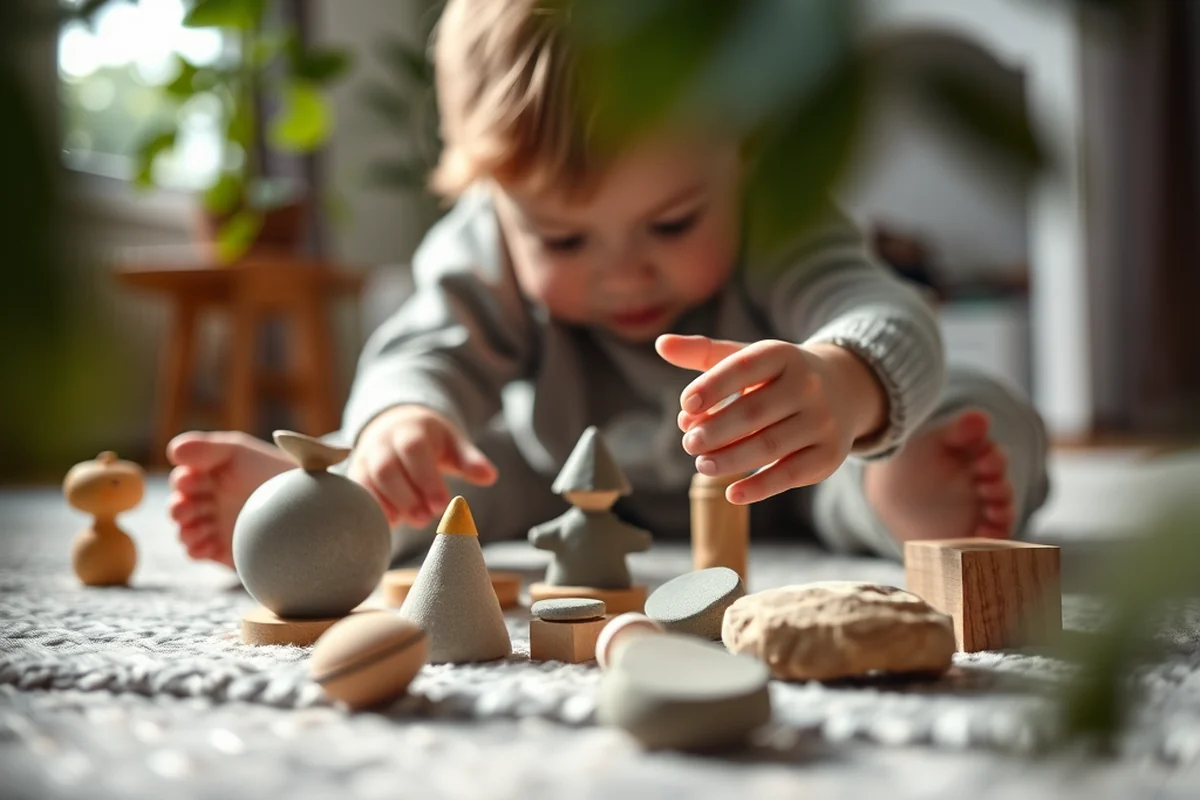
I've found that taking my daughter on short, daily walks in the neighborhood has been one of the most effective ways to integrate a nature study. We use the checklist as a guide, and I've noticed that she's more likely to point out things like flowers, trees, or even the way the sun changes position in the sky.
One day, we came across a patch of wildflowers. Using the checklist, I encouraged her to describe their colors and shapes. We made a simple sketch of the flowers and even tried to count them. It was a fun, engaging activity that helped her practice counting and descriptive language.
Being outside is more than just a learning opportunity — it's also a way to disconnect from the digital world and connect with the natural world. I've seen a noticeable difference in my daughter's mood and focus after these walks.
Nature is the best teacher — and toddlers are the best students.
Related: Toddler Nature Study At Home
Related: Toddler nature kit vs
Introducing Tools: Making Nature Study Interactive
I invested in a couple of small magnifying glasses and a simple sketchbook, and it made a huge difference in how my daughter approached her nature study. The magnifying glass was especially useful when we were looking at insects or leaves — it allowed her to see details she otherwise might have missed.
One of our favorite activities was using the sketchbook to draw the things we saw. She loved tracing the shapes of leaves and even tried to create her own 'leaf book' filled with drawings. It was a great way to combine art and science in a way that felt natural and fun.
These tools don't have to be expensive. In fact, I found that using the checklist with items I already had at home — like a ruler or a piece of cardboard — was just as effective and cost nothing.
You don't need to buy anything new — use household items as tools for your toddler's nature study.
“I remember the first time my daughter spotted a ladybug crawling up the side of our porch swing.”— Toddler Nature Journaling Themes editors
Related: Types Of Toddler Loves Nature
Related: Toddler nature documentary vs
Staying Consistent: Building a Routine Around Nature Study
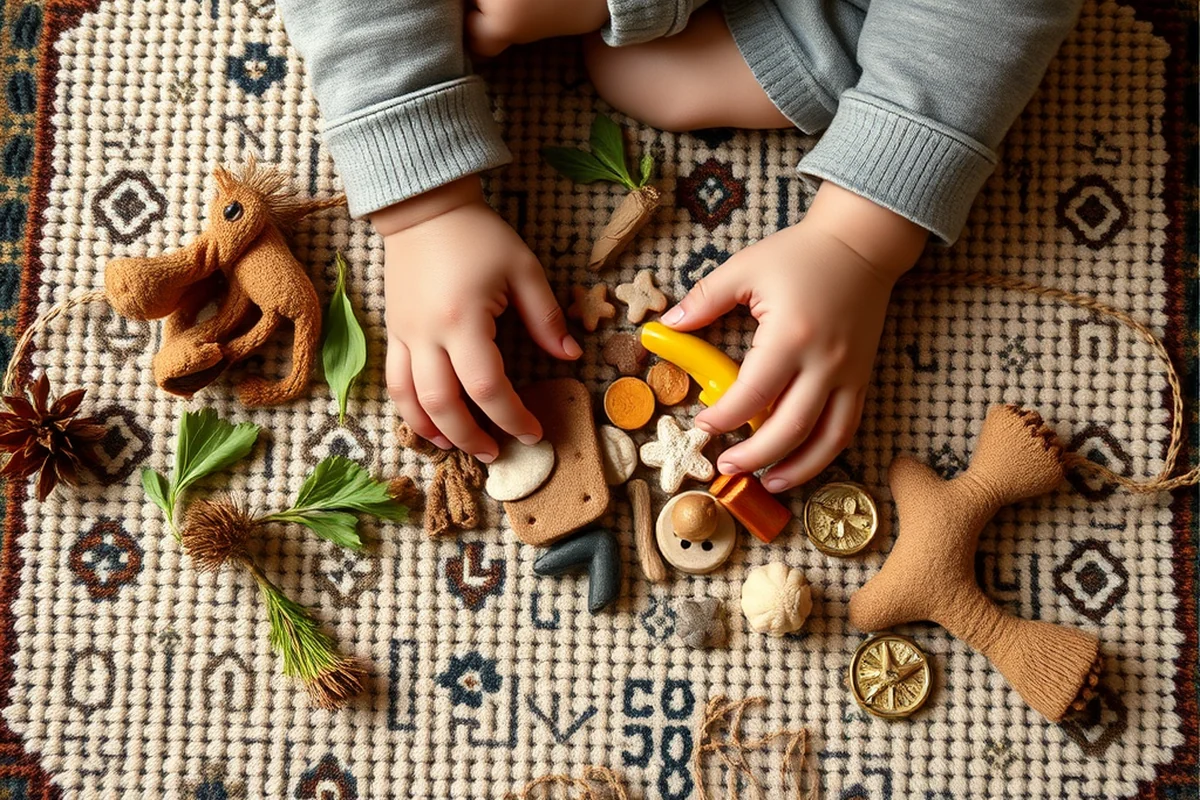
I tried different schedules and found that setting aside 15 minutes a day — even on busy days — was the most effective way to make nature study a regular part of our routine. We would do it right after breakfast or right before bedtime, and it became a kind of anchor in our day.
One of the hardest parts was keeping up with the checklist on days when I was running late or tired. But I found that even a quick check of the sky or a brief observation of a flower could make a difference. It's about showing up, even if just for a little while.
Over time, the routine became something my daughter looked forward to. It wasn't just about learning — it was about having a special time together, focused on something that wasn't screens or toys.
Related: Toddler Take Along Nature Book Benefits
The Role of Language: Talking About Nature with Toddlers
I noticed that when I used specific language to describe what we saw — like 'That leaf is oval-shaped and has a wavy edge' — my daughter began to use more descriptive words in her own speech. It wasn't just about pointing and naming — it was about engaging with the world in a more detailed way.
One of the most effective strategies was asking open-ended questions. Instead of saying, 'That's a tree,' I would ask, 'What do you see on the tree?' or 'What color is the bark?' This encouraged her to look more closely and think more deeply about what she was observing.
I've also found that reading nature-themed books before or after our study sessions helped reinforce the language and concepts we were using. It was a great way to combine reading, learning, and play.
The Benefits of Nature Study for Toddlers: A Parent's Perspective
As a parent, I've seen how a simple nature study can have a big impact on my daughter's development. She's more observant, more patient, and more curious about the world around her. I've even noticed that she's more focused during other learning activities, like storytelling or puzzles.
One of the most surprising benefits was the way it helped her develop emotional resilience. When she couldn't find the same type of leaf or flower, she learned to be patient and try again. It was a lesson in perseverance that didn't feel like a lesson at all.
There's also a deep sense of peace that comes from spending time in nature. I've found that even on stressful days, a short walk or a few minutes of observation with my daughter can help both of us feel calmer and more centered.
A toddler's nature study isn't just about learning — it's about growing together.
Making It Work: Adapting the Checklist to Your Lifestyle
I've tried different versions of the checklist over time — some that were more structured, and others that were more open-ended. The key was to make it work for our family's lifestyle and not the other way around.
On days when we were traveling or had a packed schedule, I simplified the checklist to just a few items, like 'Look for something green' or 'Listen for a bird.' It was still meaningful, even if it was shorter.
The checklist also became a way for us to connect with other family members. My husband and I took turns leading the study, and even my daughter's older cousins joined in sometimes. It was a great way to involve the whole family and make learning a shared experience.
🌼 Gentle Nature Study
A slow, flexible approach that focuses on observation and play, perfect for busy or sensitive toddlers.
⏰ Fast-Track Nature Study
A streamlined version for families with limited time — just 10 minutes a day with quick, engaging activities.
✈️ Travel Nature Study
Designed for families on the go — use the checklist at parks, hotels, or even during car rides to keep learning alive.
👶 Nature Study for Multiples
A version that encourages interaction between siblings, with activities that promote teamwork and shared discovery.
🔄 Regression Reset Nature Study
A version that helps toddlers who are going through developmental or emotional changes — focusing on reassurance, comfort, and reconnection with nature.
| The mistake | Why it happens | The fix |
|---|---|---|
| Using the checklist as a rigid schedule | This can make the activity feel like a chore rather than a fun experience. | Keep the checklist flexible and use it as a guide, not a rule. |
| Skipping the checklist on busy days | This can lead to inconsistency and make it harder for the child to build a habit. | Even on busy days, try to do a quick 5-minute nature study — it's better than nothing. |
| Focusing only on the checklist and not on the experience | This can make the activity feel artificial and lose its sense of wonder. | Let the child lead the way and be present in the moment — the checklist is just a tool. |
| Trying to do too much at once | This can overwhelm the child and make the activity feel too structured. | Start with one or two simple activities and build from there — less is more. |
Toddler Nature Study Checklist
Common Questions
How long does a typical toddler nature study session last?
What if we don't have access to nature?
Can we use technology as part of the nature study?
How do I keep my toddler engaged in the study?
References
- (PDF) The Essential Guide to Forest School and Nature Pedagogy (academia.edu)
- Letter U - Universal Design for Learning (UDL) - Anita Zucker Center (ceecs.education.ufl.edu)
- Nature-Based Practices In Early Childhood Through An ... (commons.und.edu)
- Outdoor Nature-Based Child Care Programs - DCYF - WA.GOV (dcyf.wa.gov)
Cite this guide
Toddler Nature Journaling Themes (2026). Toddler Nature Study Checklist. https://naturemarks.com/toddler-nature-study-checklist/
Feel free to cite or share this guide.