
Toddler Nature Art
📖 Table of Contents
- How to Start a Toddler Nature Art Routine
- The Power of Leaf Rubbings and Pressing
- Creating with Natural Materials and Imagination
- The Role of a Nature Journal in Toddler Art
- Nature Art as a Bonding Experience
- Making Nature Art a Part of Your Routine
- The Long-Term Benefits of Toddler Nature Art
- Make It Your Way
- Frequently Asked Questions
I remember the first time my toddler picked up a leaf and pressed it into a page of our nature journal. She giggled as the ink bled through the paper, and I watched her eyes widen with wonder. That moment, simple and unscripted, was the beginning of our family's journey into toddler nature art. It’s not about perfection or neatness — it’s about the magic of a child’s hand, a pressed flower, and the way the world feels when you press it into paper.
Toddler nature art is more than a craft — it’s a bridge between the wild world outside and the curious mind inside. We’ve spent weeks gathering items from our backyard, the park, and even our local trail, and each session becomes a new exploration. Whether we’re pressing leaves, making leaf rubbings, or collecting stones, the act of creating with natural materials is a deeply grounding experience for both of us. It’s messy, it’s sometimes chaotic, but it’s also deeply meaningful.[1]
This isn’t about setting up a studio or buying expensive supplies. It’s about finding a quiet corner of the world, a fallen leaf, a pebble, and letting our toddler’s imagination take over. I’ve seen how this practice has shifted the way we interact with nature — not just as a family, but as individuals. It’s a slow, sensory journey that’s taught us patience, observation, and the joy of simply being present with our child and the world around us.[2]
Why You'll Love This Toddler Nature Art Practice
- It’s a low-cost, high-impact way to engage your toddler with the natural world.
- It fosters creativity, fine motor skills, and sensory exploration.
- It becomes a cherished keepsake of your child’s early years.
- It helps build a lifelong connection with nature through play and art.
How to Start a Toddler Nature Art Routine
As of October 2026, Starting a toddler nature art routine is as simple as taking a walk with your child and collecting items from the ground. I always carry a small basket or a cloth pouch to gather items like fallen leaves, smooth stones, and petals. My toddler loves picking up sticks and pressing them into paper, and after a few weeks, she’s learned to identify different types of leaves by their shapes and textures.
I’ve found that consistency helps. Even just 10 minutes a day, three times a week, can lead to meaningful progress. We often set up a small table in the living room with a few sheets of paper, some crayons, and a tray of collected items. My toddler has learned to ask for a 'nature art time' and it’s become part of our daily ritual.
This routine has also helped her develop fine motor skills. Using her fingers to press a leaf into paper or trace the edges of a rock has been a gentle but powerful way to strengthen her hands and improve her coordination. It’s been a joy to watch her grow through play and exploration.
A small wicker basket or cloth pouch is perfect for collecting items. Make sure to pick up any sharp objects or hazardous materials before collecting.
Part of our Toddler nature study at home guide.
The Power of Leaf Rubbings and Pressing

One of my favorite toddler nature art activities is leaf rubbing. I take a smooth leaf, place it on a piece of paper, and then gently rub a crayon over it — the wax picks up the leaf’s texture and creates a beautiful, detailed rubbing. My toddler has learned to do this on her own, and she’s always excited to see the image that appears under her hand.
Pressing leaves between sheets of paper and placing them in a heavy book is another favorite method. We’ve created a little 'nature art book' over the months, and each leaf is a memory of a specific day. It’s amazing how much my toddler has learned about the different shapes and colors of leaves just by pressing them into paper.
These activities not only encourage creativity but also teach your toddler about the natural world in a way that’s both hands-on and engaging. I’ve seen her point to a leaf in the book and say, 'This one is from the park!' — it’s a moment of connection that makes it all worthwhile.
A leaf is a little world of texture and color waiting to be discovered.
Related: Toddler nature kit vs
Creating with Natural Materials and Imagination
I’ve found that giving my toddler the freedom to use natural materials in unexpected ways can spark incredible creativity. One day, she decided to make a 'rock painting' by using the back of a crayon to press patterns into a smooth stone. Another day, she used pebbles to create a mosaic on a sheet of paper, arranging them in a spiral.
It’s important to let your child lead the way — even if the result doesn’t look like a traditional artwork. I’ve been amazed at how my toddler has used sticks, stones. Leaves to tell stories, create maps, or even make 'art with the wind' by placing items on a windy day to see how they move.
By encouraging imagination, you’re helping your toddler develop problem-solving skills, spatial awareness, and an understanding of how the world works. These are the kinds of lessons that stick with a child for a lifetime.
Allow your toddler to explore the materials and decide how to use them. Even if the result seems odd or unexpected, it's a valuable learning experience.
“I remember the first time my toddler picked up a leaf and pressed it into a page of our nature journal.”— Toddler Nature Journaling Themes editors
Related: Toddler nature documentary vs
The Role of a Nature Journal in Toddler Art
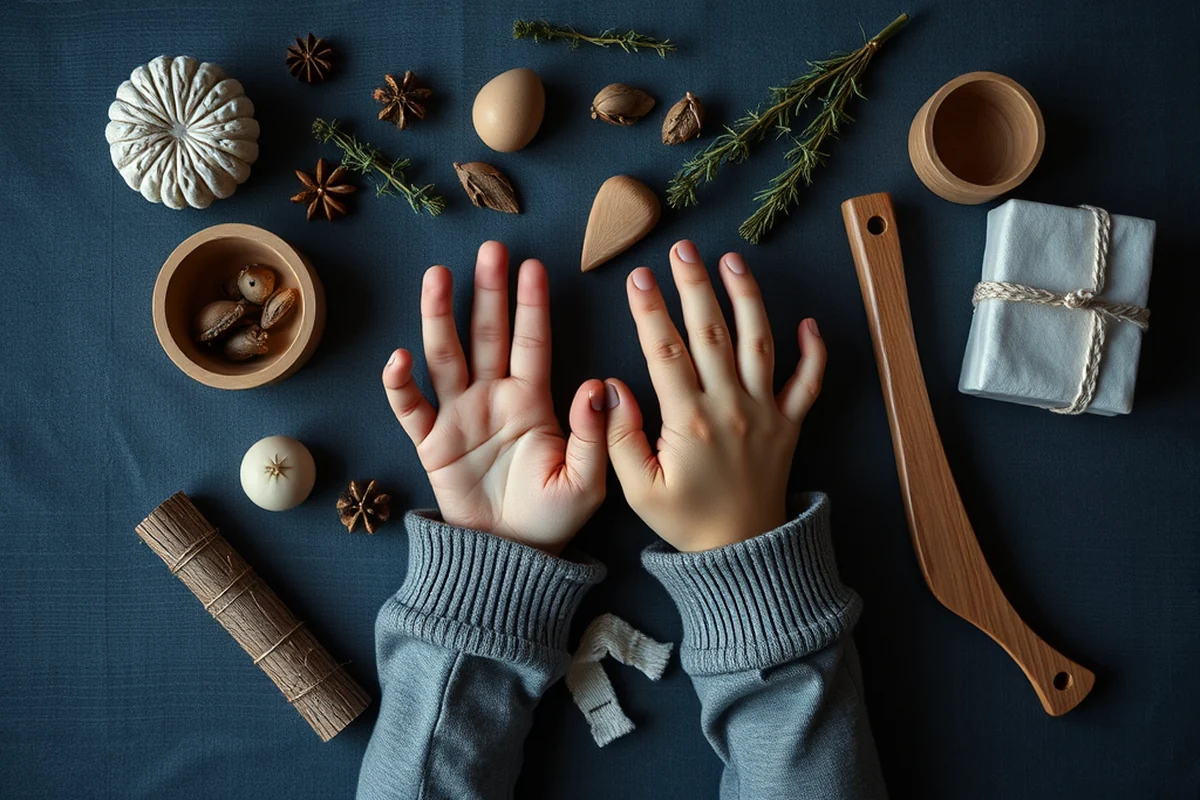
We use a small, blank journal with thick pages for our toddler nature art. It’s the perfect place to collect rubbings, pressed leaves, and drawings. My toddler loves to see the pages fill up over time — each leaf, each stone, and each crayon drawing is a small story of her journey with nature.
I’ve noticed that the journal has become a source of pride for her. She’ll often point to a page and say, 'This is my leaf art!' or 'Look, this is from the garden!' It’s a beautiful way to show her that her work matters and that she’s part of something bigger.
The journal has also become a tool for teaching her about the seasons. We look back at the leaves from spring and compare them to the ones we collected in fall. It’s a simple way to introduce her to the concept of change and the passing of time in nature.
Related: Toddler nature gifts vs
Nature Art as a Bonding Experience
I’ve found that the moments we spend creating nature art together are some of the most meaningful in our day. Whether we’re pressing leaves or making a collage, it’s a time when we’re fully present with each other. My toddler enjoys the act of working side by side with me, and I love seeing her focus and determination as she creates.
It’s also a way to teach her about patience and perseverance. Sometimes the ink takes a while to dry, or a leaf might not press correctly. But I’ve seen her learn to handle these small disappointments with grace, knowing that she can try again.
These shared moments have helped us build a deeper connection. We’ve developed a kind of unspoken language, a shared understanding of the joy that comes from creating something beautiful together.
Related: Best toddler nature study
Making Nature Art a Part of Your Routine
We’ve made nature art a part of our weekly routine by dedicating one day a week to it — usually after we finish our outdoor time. This has become a tradition that my toddler looks forward to. We always take a walk to collect materials, and then we come home to create something new.
I’ve found that having a set time for nature art helps my toddler build anticipation and excitement. She knows that on this day, we’ll be making art with leaves and stones, and it’s a time she enjoys deeply. This predictability gives her a sense of security and structure, which is especially important at this age.
By making nature art a regular part of our lives, we’ve created a habit that benefits both of us. It’s not just about the art — it’s about the connection, the learning, and the joy that comes from spending time together.
Nature art isn’t just a craft — it’s a way of being in the world.
Related: Affordable toddler nature study
The Long-Term Benefits of Toddler Nature Art
Over the past few months, I’ve noticed how our toddler nature art practice has had a positive impact on my toddler’s development. She’s become more confident, more curious, and more patient. She’s also developed a stronger connection with the natural world, which I believe will serve her well as she grows.
I’ve seen how these activities have helped her develop a sense of self. She’s proud of her work, and she knows that her creativity is valued. This has helped build her self-esteem and given her a sense of accomplishment.
Most importantly, I’ve noticed how these moments have brought us closer together. We’ve created a shared language of art and nature, and it’s a bond that will last a lifetime. It’s a beautiful way to spend time with my child and to learn about the world together.
🌿 Gentle Nature Art
Ideal for toddlers who are more sensitive or need a slower, more structured approach. Focus on simple, tactile activities like leaf rubbings and pressing.
⏱️ Fast-Track Nature Art
Perfect for busy parents who want to get creative quickly. Use items on hand and focus on brief, high-energy sessions with natural materials.
🌍 Travel/away-from-home Nature Art
Great for families on the go. Use items from parks, beaches, or trails, and create art on the go with portable materials like crayons and paper.
👶 Nature Art with Multiples
Ideal for families with more than one toddler. Create a shared nature art experience with collaborative projects and group activities.
🔄 Regression Reset with Nature Art
Helps toddlers who are going through a developmental phase. Use sensory activities and gentle, structured routines to support them.
| The mistake | Why it happens | The fix |
|---|---|---|
| Trying to force creativity or perfection | It can make your toddler feel pressured and may discourage them from exploring freely. | Let your toddler lead the activity and focus on the joy of the process rather than the outcome. |
| Using too many materials at once | It can overwhelm your toddler and make the activity feel chaotic. | Start with just one or two materials and gradually introduce more as your toddler becomes more comfortable. |
| Not being patient with the process | Nature art is a slow, sensory experience that requires time and space for your toddler to explore. | Take your time and be present. Let your toddler move at their own pace and enjoy the moment. |
| Dismissing your toddler's artwork | It can make them feel unvalued and discourage them from continuing to create. | Celebrate their work and show them that their creativity is important. Display their art or create a nature journal together. |
Toddler Nature Art
Common Questions
What if my toddler doesn’t like art or messy activities?
What if I don’t have access to a lot of natural materials?
How can I make this a habit without feeling overwhelmed?
Can I do this with a toddler who has sensory sensitivities?
References
- Programs and Special Events | Waukesha County (waukeshacounty.gov)
- West Virginian artists capture wildlife with realism true to nature (wvdnr.gov)
Cite this guide
Toddler Nature Journaling Themes (2026). Toddler Nature Art. https://naturemarks.com/toddler-nature-art/
Feel free to cite or share this guide.