
Toddler Loves Nature At Home
📖 Table of Contents
I remember the day my toddler, then 2 years old, paused in the middle of the living room and said, 'That leaf is pretty.' I had just brought home a small potted plant. She had been watching it for hours. It was the first time she had shown such deliberate interest in something natural — not just a toy or a picture, but a living thing. That moment changed the way I thought about nature at home. It was simple, but it was powerful. It made me realize that bringing the outdoors in doesn’t require a trip to the park or a long hike. It can start right where we are — in the living room, in the kitchen, even in the bathtub.
Since that moment, I’ve made a point of making nature a daily part of our lives, even when we’re inside. I’ve filled our home with plants, set up a small 'nature corner' with rocks, shells. Leaves we’ve collected, and made it a habit to talk about the changing seasons, the weather, and the tiny creatures that live in our backyard. It’s not always easy — toddlers are busy, and sometimes nature feels like an extra burden. But I’ve found that when we make it fun, engaging, and part of the rhythm of our day, it becomes something we all look forward to.
Bringing the love of nature into our home has been one of the most rewarding things I’ve done as a parent. It’s not just about teaching my child about the environment — it’s about fostering curiosity, wonder, and a deep connection to the world around us. Whether it’s watching ants march across the floor, feeling the texture of a pinecone, or listening to the rain outside, these small moments are the building blocks of a lifelong love for the natural world. And I’ve found that the more I bring nature into our home, the more my toddler seems to love it — and the more I love it, too.[1]
Why You'll Love This Approach
- Fosters curiosity and wonder from an early age
- Encourages sensory exploration and learning through play
- Builds a lifelong appreciation for the environment
- Creates meaningful bonding time with your child
Bringing Nature Inside: A Simple Start
As of October 2026, I began by placing a few potted plants in our living room and kitchen. I chose easy-to-care-for varieties like spider plants and snake plants, which thrive in low light and don’t require much attention. I made sure to keep them out of reach of my toddler, but still within view — I wanted her to see them daily and learn about their names and what they needed to grow.
I also started collecting small, safe natural items like smooth stones, dried leaves, and pinecones and placed them in a shallow basket on our coffee table. These became spontaneous learning tools — my toddler would often pick them up and examine them closely, asking questions like, 'What’s that?' and 'Why is it green?' I found myself explaining in a way that was both simple and engaging, using words that were new to her but not overwhelming.[2]
Over time, this small effort grew into a routine. Every morning, I’d bring in a new natural item from our backyard or a walk, and we’d talk about it over breakfast. It became a way to make nature part of our daily rhythm, and it was something we both looked forward to.
Keep a small basket of safe, natural items on a coffee table or shelf. Rotate them regularly to keep the experience fresh and engaging for your toddler.
Part of our Toddler nature study at home guide.
Creating a Nature Corner at Home

I set up a small 'nature corner' in a corner of our living room, just a few feet from the floor. I used a low shelf and placed a basket of natural items — leaves, rocks, sticks, and shells — along with a few small jars for sorting and storing. I also added a magnifying glass and a couple of books with pictures of plants and animals. It was simple, but it turned into a place of discovery for my toddler.
She would spend hours in that corner, sorting leaves by size, using the magnifying glass to look at the textures of bark, and pretending to be a scientist. I found that having a dedicated space made it easier for her to engage with nature in a focused and meaningful way. It also became a quiet spot where she could explore on her own, which was a great relief for me during busy days.
I’ve noticed that when the space is dedicated, it encourages more frequent and deeper engagement with nature. It’s not just about having the items — it’s about having a place where those items are valued and encouraged.
A little space for nature can spark a big sense of wonder.
Related: Toddler take along nature book at home
Learning Through Observation
One of the most valuable aspects of bringing nature into our home has been the opportunity to observe and learn together. We’ve watched the way the sun moves across the room throughout the day, the way shadows change as the light shifts, and how the leaves on our plants sway in the breeze. I’ve made it a habit to point these things out and ask my toddler questions about what she sees, which has helped her develop her observational skills.
We’ve also talked about the life cycle of our plants — watching them grow, changing with the seasons, and even learning what happens when they don’t get enough water. These conversations are not formal lessons, but they’re meaningful and they’ve helped my toddler develop an early understanding of the natural world.
I’ve found that observation is a powerful way to connect with my toddler and with the world around us. It’s not about teaching, but about noticing together — and that kind of connection is something that stays with a child for a lifetime.
Ask open-ended questions like 'What do you see?' or 'What do you think that is?' and let your toddler lead the conversation. This encourages curiosity and critical thinking.
“I remember the day my toddler, then 2 years old, paused in the middle of the living room and said, 'That leaf is pretty.' I…”— Toddler Nature Journaling Themes editors
Related: Toddler nature art
Nature-Inspired Play at Home
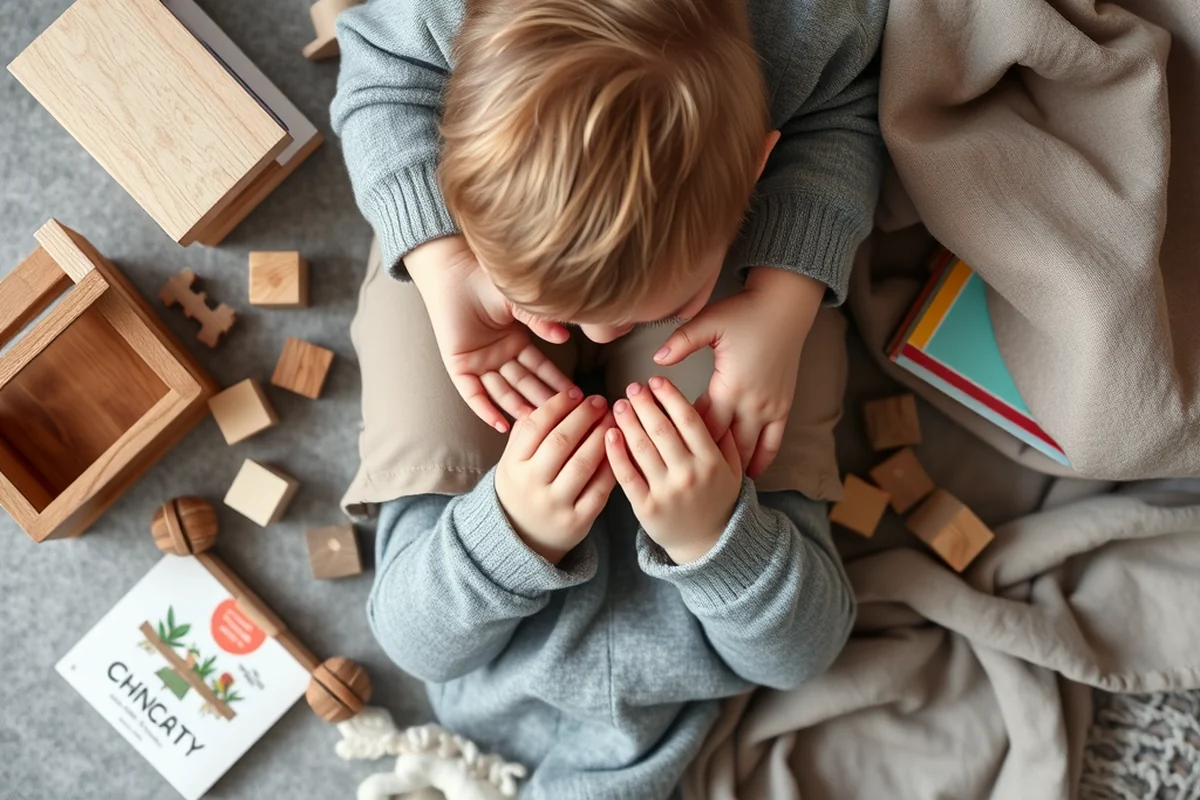
We’ve started using natural materials to create different types of play. We’ve made leaf mosaics using pieces of cardboard and leaves we’ve collected, sorted rocks by size and color. Even created a mini water cycle using a clear bowl, water, and a plastic lid. These activities are simple and require minimal preparation, but they help my toddler explore the world in a hands-on way.
I’ve also introduced nature-inspired games, like finding items that match a certain color or texture. We’ve played 'find the green leaf' or 'find the rough rock,' which helps her develop her sensory skills and attention to detail. These games are not only fun, but they’re also educational — they teach her about the world around her and help her build problem-solving skills.
I’ve noticed that when we use natural materials in our play, it makes the experience more meaningful. It’s not just about pretending — it’s about exploring the real world, and that’s something that stays with a child long after the game is over.
Related: Toddler nature study checklist
Connecting with the Seasons at Home
We’ve started celebrating the seasons in our home in small but meaningful ways. We’ve made leaf prints in the fall, collected snowflakes in a jar during winter, and watched the buds on our plants bloom in the spring. These activities help my toddler see the changes in the world around us and understand the rhythm of the year.
We also talk about the weather and how it affects the things we do. In the winter, we’ve made snowmen with paper and cotton balls, and in the summer, we’ve created 'sun puddles' by spraying water on the pavement and letting it evaporate in the sun. These simple activities help my toddler see the connection between the seasons and the world around her.
I’ve found that when we connect with the seasons at home, it helps my toddler develop a sense of time and place. It also helps her see that the world is constantly changing, and that there’s beauty in those changes.
Related: Toddler nature crafts vs
Nature as a Tool for Emotional Connection
I’ve found that spending time in nature — even indoors — helps my toddler feel more connected to me. When we’re in the nature corner together, or when we’re planting a small garden or exploring the changing seasons, I see her eyes light up with curiosity and excitement. It’s a moment of connection that’s hard to replicate with other activities.
Nature also helps her feel grounded and calm. I’ve noticed that when she’s in the presence of natural elements, she seems to be more focused and less fussy. It’s as if the world around her helps her feel more at ease, and that’s something I’ve come to rely on during stressful or chaotic days.
I’ve also found that talking about the natural world helps us connect on a deeper level. We’ve had conversations about the way the sun moves across the sky, the way the rain comes and goes, and the way the trees change with the seasons. These moments are not just educational — they’re emotional, and they help us build a stronger bond.
Nature is not just a backdrop — it's a bridge to connection.
Related: Toddler nature kit vs
Making Nature Part of the Home Rhythm
I’ve made it a habit to bring in a small natural element every day — sometimes a leaf, sometimes a rock, sometimes a flower or a seed. We talk about it over breakfast, and it becomes a way to start the day with a sense of wonder. I’ve also made it a point to go outside every day, even if it’s just for a few minutes, to collect something new for the nature corner.
We also talk about the weather every morning, and I’ve started using a small calendar to mark the changing seasons. It’s a way to help my toddler see the passage of time and understand how the world around us changes. I’ve also started using a small journal to record our observations — a few sentences each day about what we’ve seen, what we’ve learned, and what we’ve loved.
I’ve found that when nature becomes a regular part of our day, it becomes something my toddler looks forward to. It’s not an extra activity — it’s a natural rhythm, and that’s what makes it so powerful.
🌿 Gentle Introduction
Start slowly with one or two natural elements in the home and build from there. This is ideal for parents who are new to the concept or have a busy schedule.
⚡ Fast-Track Nature
Create a full 'nature corner' in one day with a few key elements. This is great for families who are ready to dive in and make nature a central part of their home.
🧳 Travel-Friendly Nature
Pack small, portable natural items in a travel bag for on-the-go exploration. This is perfect for parents who are often on the move or traveling with their toddler.
👶 Multiple Toddlers
Set up multiple nature corners or have different collections for each toddler. This helps each child explore at their own pace and develop their own connection with nature.
🔄 Regression Reset
Use nature as a grounding tool during times of change or regression. This is ideal for parents who are navigating transitions or challenging moments with their toddler.
| The mistake | Why it happens | The fix |
|---|---|---|
| Forcing too many natural elements at once | Introducing too much at once can overwhelm your toddler and make the experience feel like a task instead of a joy. | Start with one or two natural items and gradually build from there. Let your toddler explore at their own pace. |
| Using unsafe or sharp items | Sharp or toxic items can be dangerous for your toddler and make the experience of nature feel unsafe. | Always choose safe, smooth, and non-toxic natural items. Keep all materials out of reach of your toddler. |
| Treating nature as a chore instead of a joy | If you approach nature as a task or something to be done, your toddler may not want to engage with it. | Make nature a fun and spontaneous part of your day. Let your toddler lead the way and make it something you both look forward to. |
| Not involving your toddler in the process | If you’re the one doing all the work, your toddler may not feel a sense of connection or ownership over the experience. | Involve your toddler in every step — from collecting items to exploring them. Let them choose what they want to look at and what they want to do. |
Toddler Loves Nature At Home
Common Questions
How can I make nature part of my toddler’s daily routine without overwhelming them?
What are some safe natural items I can bring into the home?
How can I encourage my toddler to explore nature if they’re not interested?
What if I don’t have a lot of space in my home for a nature corner?
References
- Fishing, guided hikes among new outdoor recreation programs | News (miltonga.gov)
- Nature Walk and Roll | HeadStart.gov (headstart.gov)
Cite this guide
Toddler Nature Journaling Themes (2026). Toddler Loves Nature At Home. https://naturemarks.com/toddler-loves-nature-at-home/
Feel free to cite or share this guide.