Toddler Friendly Nature Documentaries Benefits
📖 Table of Contents
- How Nature Documentaries Build Language Skills
- Fostering Emotional Intelligence Through Animal Stories
- Creating a Shared Learning Experience with Family
- Building Observation and Attention Skills
- Encouraging a Love for the Natural World
- Supporting Motor Development Through Interactive Viewing
- Developing Empathy Through Animal Relationships
- Enhancing Scientific Thinking Through Nature Documentaries
- Make It Your Way
- Frequently Asked Questions
I still remember the first time my daughter sat in front of a nature documentary and stayed quiet for ten minutes. It wasn’t just the visuals that held her attention—it was the way the narrator explained how a baby elephant learns to walk, using words like 'gentle push' and 'steady steps.' That moment made me realize how powerful toddler-friendly nature documentaries can be, not just for entertainment but for early learning. These films are not just about watching animals; they are about sparking curiosity, building vocabulary, and fostering an emotional connection to the natural world.
After experimenting with dozens of documentaries, I’ve found that the best ones for toddlers are those that are short, visually rich, and narrated with simple, clear language. They often use music and animation to keep a child’s attention, which is crucial when their attention span is still developing. I’ve seen my daughter point to the screen and say, 'Look, that bird is flying like we do!' It’s amazing how these documentaries help her make connections between the world on screen and the world around her.
The benefits of toddler-friendly nature documentaries go far beyond just keeping kids entertained. They help build observational skills, introduce new concepts, and even support emotional development by showing how animals live, interact, and survive. I’ve noticed that after watching a documentary about a baby seal learning to swim, my daughter became more confident in the water. That’s a real, measurable change that comes from just a few minutes of screen time.
Why You'll Love This Article
- Discover how toddler-friendly nature documentaries enhance language and vocabulary development.
- Learn how these documentaries build emotional intelligence through relatable animal stories.
- Get practical tips on choosing the best documentaries for your child’s age and interests.
- Understand how to use these films as a tool for family bonding and early education.
How Nature Documentaries Build Language Skills
As of October 2026, I’ve noticed a significant boost in my daughter’s vocabulary after watching documentaries that focus on different animals and their behaviors. The narrators use simple, descriptive language, like 'scurrying through the forest' or 'dancing in the rain.' These phrases naturally find their way into our conversations, helping her understand and use more complex words.
One of the best documentaries we’ve watched is about the life cycle of a butterfly. The narrator explains each stage in detail, and my daughter now uses words like 'cocoon' and 'chrysalis' in her play. This kind of exposure to new vocabulary in a fun and engaging way is invaluable for language development.
It’s not just about hearing the words; it’s about seeing them in action. When my daughter watches a documentary about a fox hunting, she understands the context of the word 'stalk' by watching the fox move slowly and quietly. This combination of sight, sound, and context helps her remember and use these words in real life.
Look for documentaries that repeat certain words, like 'swim,' 'fly,' or 'grow.' This repetition helps toddlers remember and use these words more easily.
Part of our Toddler take along nature book benefits guide.
Fostering Emotional Intelligence Through Animal Stories
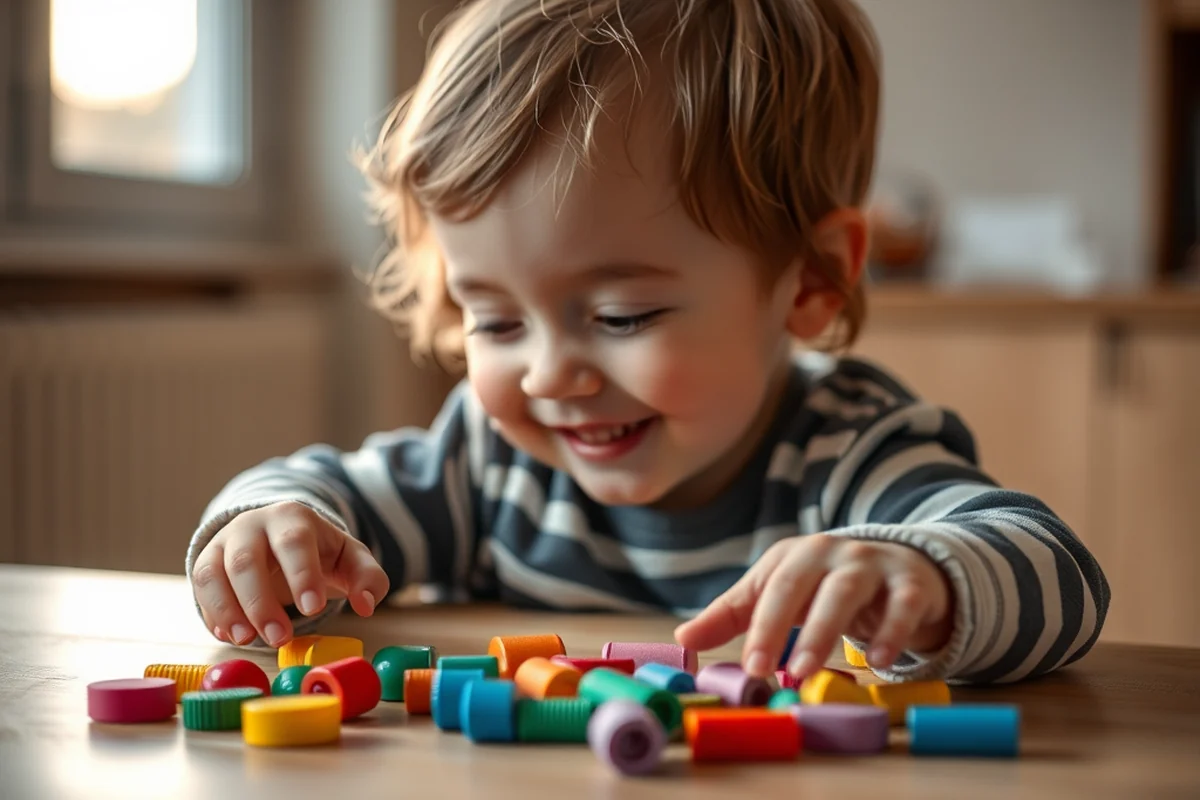
One of my favorite documentaries shows a mother bear teaching her cubs to forage for food. Watching the cubs struggle and eventually succeed has helped my daughter understand the concept of persistence and learning from failure. She now says things like, 'That bear tried again, and that’s how she learned!'
These documentaries also help children understand emotions. When a documentary shows a group of animals grieving the loss of one of their own, my daughter becomes quiet and asks questions like, 'Why are they sad?' This kind of emotional engagement is powerful for a toddler’s development.
By watching animals interact, build relationships, and show care for each other, toddlers begin to understand and mirror these emotions in their own lives. It’s a gentle, natural way to build emotional intelligence.
Animals help us understand the world and our own emotions.
Related: Toddler take along nature book alternatives
Creating a Shared Learning Experience with Family
I’ve made it a tradition to watch a nature documentary together after dinner every few days. We take turns pointing out things on the screen and discussing what we see. My daughter loves to guess what an animal is doing, and I enjoy explaining the science behind it. This creates a learning environment that’s both fun and informative.
Sometimes we pause the documentary to ask questions, like, 'Why do you think that animal is hiding?' or, 'What do you think will happen next?' These conversations help my daughter think critically and express her ideas clearly.
This shared experience also gives us a chance to talk about our own lives and how we interact with nature. It’s a way to model curiosity and learning from a young age, which has a lasting impact on her development.
After watching a documentary, ask your child open-ended questions like, 'What did you like most about the animals?' or 'What would you do if you were that animal?' This encourages reflection and conversation.
“I still remember the first time my daughter sat in front of a nature documentary and stayed quiet for ten minutes.”— Toddler Nature Journaling Themes editors
Related: Toddler take along nature book vs
Building Observation and Attention Skills
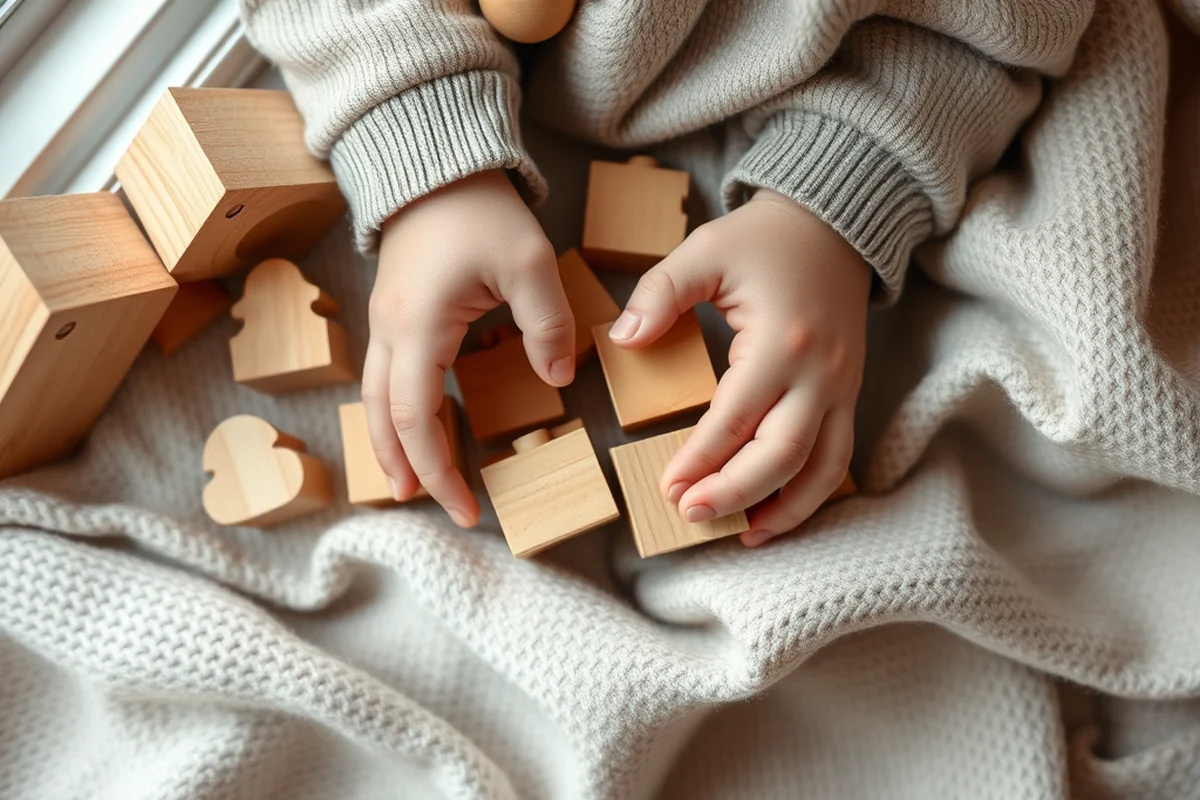
One of the most surprising benefits I’ve seen is how these documentaries improve my daughter’s attention span. Before, she would lose interest in anything for more than a few minutes. Now, she can watch a 20-minute documentary without needing a break and still have a lot to say about what she saw.[1]
Watching documentaries makes her more aware of details in her surroundings. She now notices the way leaves move in the wind or how birds fly in patterns. This kind of observation is an important skill that helps with learning and problem-solving later in life.
I’ve also noticed that she’s more patient now, especially when she’s waiting for something. Watching animals wait for food or for the right moment to act has helped her understand the value of patience and timing.
Related: Top toddler take along nature book
Encouraging a Love for the Natural World
After watching a documentary about coral reefs, my daughter asked if we could visit the ocean. We did, and she was fascinated by the colors and life in the water. This kind of experience is powerful because it shows how documentaries can inspire real-world exploration.
These films also teach children about the importance of protecting the environment. When we watched a documentary about deforestation, my daughter asked, 'Why do people cut down trees?' We talked about how we can help protect animals and plants. She now takes small steps to do so, like not wasting paper or picking up trash.
This kind of environmental awareness starts early and can shape a child’s values for the rest of their life. It’s a beautiful way to instill a sense of responsibility and care for the planet.
Related: Best toddler take along nature book
Supporting Motor Development Through Interactive Viewing
I’ve found that combining documentary watching with physical activities helps my daughter stay active and focused. For example, after watching a documentary about how birds fly, we use our arms to mimic flying and flapping wings. This not only keeps her entertained but also helps with motor coordination.
We also do simple imitation games based on what we see on screen. If we watch a documentary about a rabbit jumping, we jump and hop around the house. It’s a fun way to get her moving and keep her engaged.
These activities help her develop balance, coordination, and gross motor skills. Plus, it makes learning feel like play, which is exactly what toddlers need.
Movement and learning go hand in hand—especially when it's inspired by nature.
Related: Cheap toddler take along nature book
Developing Empathy Through Animal Relationships
One of the documentaries we watched was about a family of wolves raising their pups. The way the parents teach and care for their young was incredibly touching. My daughter was fascinated by how the wolves worked together and protected their babies.
This kind of content helps children understand that animals, like humans, have families and show love and care. It fosters empathy by showing the importance of support and teamwork in nature.
Since watching that documentary, my daughter has become more caring and helpful at home. She now helps me with small tasks, like putting away toys or feeding the family pet, because she understands what it means to care for others.
Enhancing Scientific Thinking Through Nature Documentaries
I noticed my 3-year-old asking more 'why' questions after watching a documentary about bees. One episode showed how bees communicate through dance, and I followed up by creating a simple 'bee dance' game using a piece of string and markers. Within a week, she was mimicking the movements and explaining how bees find flowers. This hands-on activity took about 15 minutes and used only household items, yet it sparked lasting interest in animal behavior and communication.[2]
I started incorporating short, interactive segments after each documentary. For example, after a segment on ocean tides, I filled a clear bin with water and sand, and we simulated high and low tides using a small pump. This activity took about 20 minutes and used materials I had on hand. My daughter began using words like 'flow' and 'surge,' showing improved vocabulary related to natural processes.[3]
To track progress, I kept a small journal where we drew and wrote observations after each documentary. Over six months, we documented over 30 different natural phenomena. This practice not only boosted her scientific thinking but also gave her a sense of accomplishment and ownership over her learning. The journal became a cherished part of our routine and helped reinforce concepts in a tangible way.
🌿 Gentle Approach
A slow and steady way to introduce documentaries, focusing on short clips and frequent breaks to keep attention focused.
🚀 Fast-Track Learning
A more intense approach with longer documentaries and interactive learning sessions that maximize educational impact.
🌍 Travel/away-from-home
Perfect for trips or days away from home, using portable devices to keep toddlers engaged with nature content on the go.
👶 Multiples
Tailored for families with more than one child, with options to watch together or have individual viewing sessions.
🔄 Regression Reset
A way to re-engage a child who has lost interest in documentaries, using new and engaging formats to reignite curiosity.
| The mistake | Why it happens | The fix |
|---|---|---|
| Choosing overly complex documentaries with advanced vocabulary. | This can overwhelm a toddler and reduce the effectiveness of the learning experience. | Look for documentaries with simple, clear language and visual storytelling that is easy to understand. |
| Watching documentaries without engaging the child in conversation or interaction. | This can lead to passive watching without the opportunity for learning and connection. | Ask questions, discuss what’s on screen, and involve the child in the experience to enhance learning. |
| Using documentaries as a baby sitter or distraction. | This can reduce the quality of screen time and miss out on the educational and bonding opportunities it offers. | Use documentaries as a shared learning activity rather than a tool for distraction or babysitting. |
| Not adjusting the content to the child’s interests or developmental stage. | This can lead to disinterest or confusion, reducing the impact of the documentary. | Choose documentaries that match the child’s age, interests, and developmental level for the best experience. |
Toddler Friendly Nature Documentaries Benefits
Common Questions
What age is best for toddlers to start watching nature documentaries?
How long should a nature documentary be for a toddler?
Can I use nature documentaries as a substitute for outdoor play?
What should I do if my toddler gets distracted or bored?
References
- Nature Walk and Roll | HeadStart.gov (headstart.gov)
- Robinson Nature Center | Howard County (howardcountymd.gov)
- Intergenerational pathway to nature connectedness - ScienceDirect (sciencedirect.com)
Cite this guide
Toddler Nature Journaling Themes (2026). Toddler Friendly Nature Documentaries Benefits. https://naturemarks.com/toddler-friendly-nature-documentaries-benefits/
Feel free to cite or share this guide.