Toddler Nature Art Benefits
📖 Table of Contents
- How Nature Art Encourages Creativity and Curiosity
- Nature Art as a Tool for Sensory Development
- How Nature Art Can Help with Emotional Regulation
- The Role of Nature Art in Building Confidence and Independence
- Nature Art as a Way to Bond with Your Child
- The Long-Term Benefits of Early Exposure to Nature Art
- How to Make Nature Art a Regular Part of Your Routine
- Make It Your Way
- Frequently Asked Questions
I remember the first time my daughter pressed her tiny hand into a pile of dried leaves, leaving a perfect imprint that felt like a secret between us. It was one of those quiet, sun-dappled afternoons in the backyard. As she giggled over the squishy texture, I realized we were not just playing — we were making art that connected her to the world around her. That moment was the beginning of our toddler nature art journey, a path that has since brought so much more than just pretty pictures. It's about fostering curiosity, nurturing creativity, and grounding our lives in the rhythms of the natural world.
Toddler nature art benefits are not just about making things look nice — they’re about building skills, sparking wonder, and creating memories that last a lifetime. Whether it's collecting pinecones, painting with mud, or arranging flowers in a makeshift vase, these simple activities have a surprising depth of impact. I’ve watched my child’s confidence grow as she learned to express herself through the world around us. I’ve seen how her eyes light up when she discovers something new in the dirt or the sky.
One of the most unexpected things I learned early on is that toddler nature art benefits span far beyond the immediate joy of the activity. It helps with sensory development, fine motor skills, and even emotional regulation. The first time my daughter sat quietly for 15 minutes arranging stones into a pattern, I knew that this was more than just play — it was learning. It was happening in a way that felt natural and effortless.[1]
Why You'll Love This Approach to Nature Art
- Encourages deep connection with the natural world
- Boosts creativity and problem-solving through open-ended play
- Supports sensory development and emotional regulation
- Provides quality bonding time with your child
How Nature Art Encourages Creativity and Curiosity
As of October 2026, I’ve found that when my toddler is out in nature, her imagination takes off in ways I never could have predicted. She sees patterns in the bark of a tree, colors in the sky, and shapes in the clouds — all of which become raw material for her art. One day, she used sticks and leaves to create a pretend forest in the living room, and the next, she was arranging pebbles into what she called a ‘stone river.’
By letting her choose what to use and how to arrange it, I’ve noticed her confidence and creativity grow. She’s learning to make decisions, solve problems, and think outside the box — all through the simple act of playing with natural materials. The best part? There’s no right or wrong way to do it; the only rule is that it has to be fun.
This kind of open-ended play is crucial for toddlers, as it allows them to explore their ideas without the pressure of perfection. It’s not about making something ‘look nice’ — it’s about making something that feels meaningful to them.
Look for natural materials in your yard, park, or even on a walk. Leaves, rocks, sticks, and flowers can all be used to create unique art pieces.
Part of our Toddler take along nature book benefits guide.
Nature Art as a Tool for Sensory Development
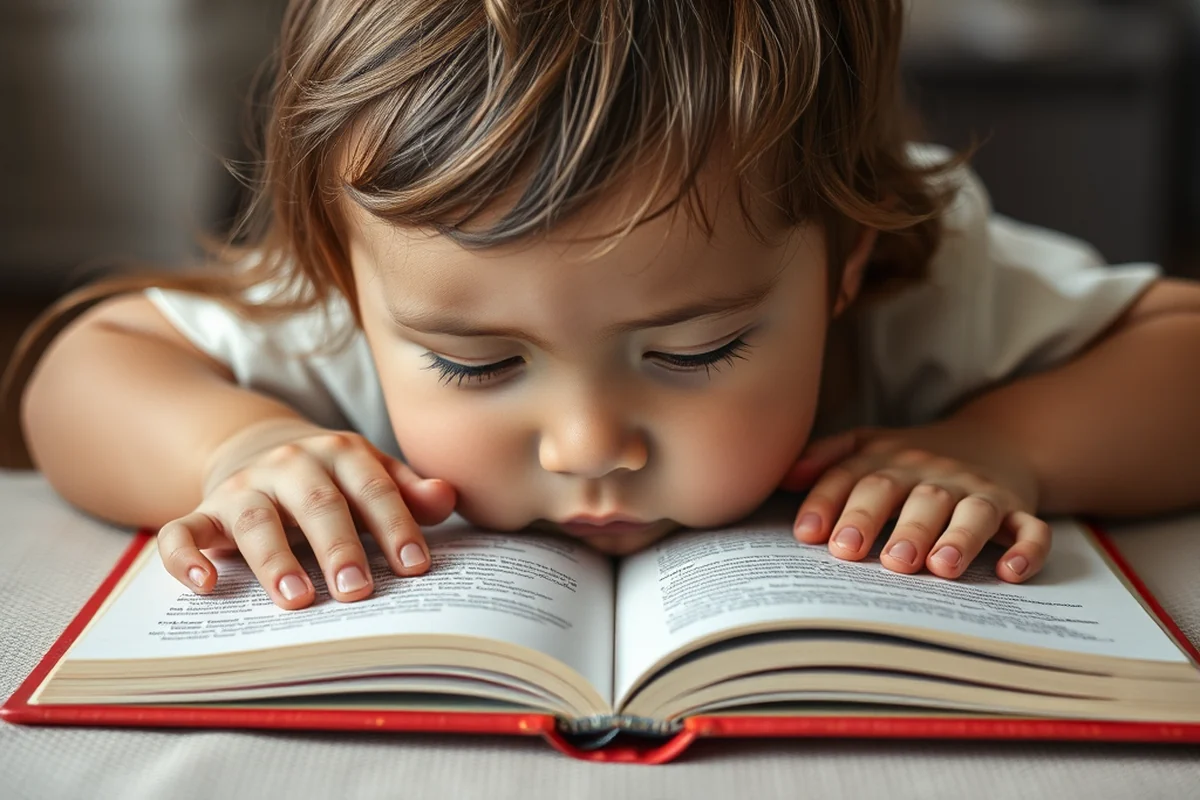
When my daughter first started picking up leaves and running her fingers over their edges, I realized how much she was learning from that simple action. The texture, the weight, the way the leaf felt in her hand — all of these details were helping her build her sensory map of the world.
I’ve also noticed how much she loves the feel of moss under her fingers or the way water slips through her hands. These experiences are not only enjoyable but also crucial for developing fine motor skills and hand-eye coordination. It’s amazing how much learning can happen through play that feels like play.
By engaging multiple senses at once, toddler nature art benefits become even more powerful. It’s not just about looking at something — it’s about feeling it, touching it, and even tasting it (with a little supervision, of course).
Play is the work of childhood — and nature art is its most natural form.
Related: Toddler friendly nature documentaries benefits
How Nature Art Can Help with Emotional Regulation
There was a time when my daughter would get overwhelmed by loud noises or sudden changes in her day. When that happened, I’d take her outside and let her collect rocks, draw with sticks, or even sit in the grass for a while. It didn’t take long for her to calm down and feel more centered.
I’ve noticed that the act of creating something with her hands — even if it’s just pressing her feet into the mud or arranging leaves in a line — helps her process her emotions. It gives her a way to express what she’s feeling without words, which is especially important for toddlers who are still learning to communicate.
Nature has a way of grounding us. When we use it as a tool for art, we’re helping our children learn to find their own sense of calm and balance in the world.
Designate a spot in your backyard or a nearby park where your child can go to reset and create whenever they feel overwhelmed. It becomes their safe space for emotional exploration.
“I remember the first time my daughter pressed her tiny hand into a pile of dried leaves, leaving a perfect imprint that felt like a…”— Toddler Nature Journaling Themes editors
Related: Toddler loves nature benefits
The Role of Nature Art in Building Confidence and Independence
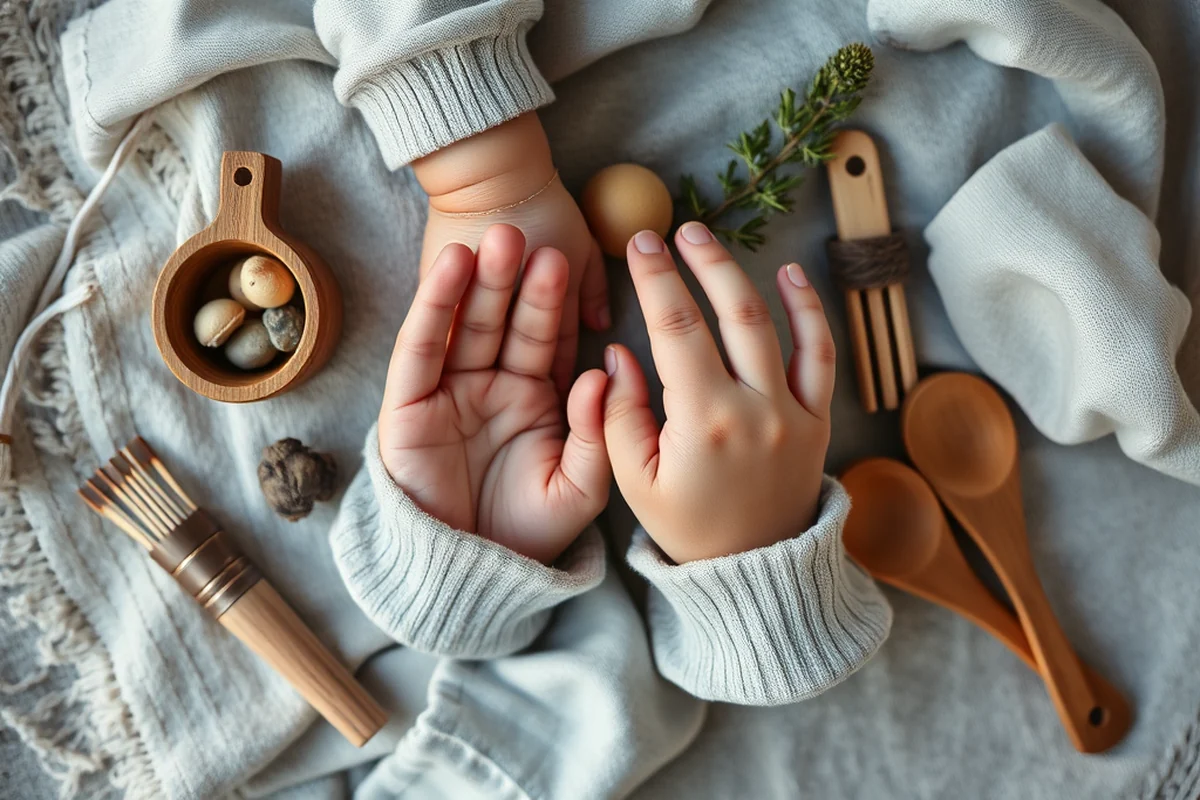
One of the most rewarding parts of toddler nature art is watching my daughter take pride in her work. She doesn’t care if it’s perfect — she just wants it to be hers. That sense of ownership is powerful, and it helps her build confidence in her own abilities.
I’ve seen her stand up tall when she shows me her creations, as if she’s saying, ‘Look at what I made!’ It’s moments like these that remind me how important it is to let kids take the lead in their creative process. When they have the freedom to choose what they use and how they arrange it, they learn to trust their own instincts.
This kind of confidence doesn’t just stay in the art world — it spills over into other areas of life, like learning to tie shoes, share toys, or even try new things. Nature art is a great way to build that foundation.
Related: Toddler take along nature book step by step
Nature Art as a Way to Bond with Your Child
I’ve found that some of my most cherished memories with my daughter are from the times we spent making art together in the backyard or on a nature walk. It’s not just about the activity — it’s about the connection we share as we explore the world side by side.
When we’re both focused on creating something, there’s a kind of quiet intimacy that forms. We’re not worrying about schedules or responsibilities — we’re just present with each other, discovering the same things and sharing in the joy of it all.
This kind of bonding is invaluable, especially in the early years when your child is still learning to trust and connect with the people around them. It helps build a foundation of love and support that lasts a lifetime.
Related: Toddler take along nature book not working
The Long-Term Benefits of Early Exposure to Nature Art
I’ve been thinking a lot about how my daughter’s early experiences with nature art will shape her as she grows. Already, she has a deep appreciation for the natural world and a sense of curiosity that I hope will carry her through life.
Studies have shown that children who spend time in nature are more likely to develop a lifelong connection with the environment. I can see that in my daughter — she’s always been fascinated by trees, animals. The sky, and I know that this will help her become more empathetic, creative, and resilient as she gets older.[2]
There’s something about being in nature and creating art that helps children see the world differently. It’s not just about the immediate joy — it’s about planting seeds for a future that’s full of wonder and possibility.
Nature art is not just a childhood activity — it’s a way of life.
Related: Toddler take along nature book checklist
How to Make Nature Art a Regular Part of Your Routine
I’ve found that even a few minutes a day can make a big difference. We’ve started setting aside 15 minutes each morning after breakfast to explore the yard and collect materials for art. It’s become a kind of ritual that we both look forward to.[3]
We’ve also created a ‘nature art corner’ in our living room where we keep a basket of natural materials like leaves, stones, and twigs. It’s always there, ready to be used whenever the mood strikes. This way, we’re not limited to the outdoors — we can still create art whenever we want.
By making it a regular part of our lives, nature art has become more than just an activity — it’s a way for us to connect, learn, and grow together. It’s a simple but powerful habit that I know will stay with us for a long time.
🌿 Gentle Approach
Ideal for toddlers who are easily overwhelmed or have sensory sensitivities. Focus on slow, mindful exploration and gentle touch.
⏱️ Fast-Track Approach
Perfect for busy families who want to enjoy nature art without spending too much time outdoors. Use pre-collected materials and keep the process simple and quick.
🧳 Travel/away-from-home Approach
Great for families who are often on the go. Pack a small kit with portable art supplies and collect natural materials from parks, beaches, or other outdoor spots.
👶 Multiples Approach
Ideal for parents with more than one child. Encourage collaborative art projects that allow siblings to work together and learn from each other.
🔄 Regression Reset Approach
Useful for times when your child is going through a developmental phase or is feeling overwhelmed. Nature art can help them reset and regain a sense of balance and control.
| The mistake | Why it happens | The fix |
|---|---|---|
| Overdirecting the child’s choices | This can stifle creativity and make the child feel that they don’t have control over their art. | Let your child choose what they want to use and how they want to arrange it. Offer suggestions, but don’t take over. |
| Focusing too much on the final product | This can make the activity feel more like a task than a fun, exploratory experience. | Celebrate the process, not the product. Praise your child’s effort and creativity, not just the finished artwork. |
| Using too many materials at once | This can overwhelm your toddler and make it harder for them to focus on the activity. | Start with just a few materials and gradually introduce more as your child becomes more comfortable with the process. |
| Not taking the time to clean up after the activity | This can lead to a mess that becomes stressful for both you and your toddler. | Set aside a few minutes after the activity to clean up together. Make it a fun part of the process by turning it into a game or a shared task. |
Toddler Nature Art Benefits
Common Questions
What kind of natural materials are safe for toddlers to use?
How often should I do nature art with my toddler?
Can I do nature art indoors if I don’t have access to the outdoors?
What if my toddler is messy during nature art?
References
- outdoor, nature-based early learning and child care pilot - ERIC (files.eric.ed.gov)
- Nature and Health: Benefits of Connecting to Nature for Children (blogs.ifas.ufl.edu)
- Spending Time Outdoors Can Boost Your Mental Health (healthcare.utah.edu)
Cite this guide
Toddler Nature Journaling Themes (2026). Toddler Nature Art Benefits. https://naturemarks.com/toddler-nature-art-benefits/
Feel free to cite or share this guide.