
Toddler Nature Journal Not Working
📖 Table of Contents
- Why the Toddler Nature Journal Might Be Failing You
- The Magic of Nature: How to Make It Engaging
- Simplifying the Experience: Less is More
- Adapting to Your Toddler’s Energy Level
- Encouraging Creativity and Expression
- Making It a Shared Activity
- The Importance of Praise and Encouragement
- Make It Your Way
- Frequently Asked Questions
I remember the first time I tried the toddler nature journal with my 2-year-old, Maya. I had read about how it could foster curiosity, language, and a love for the natural world. I bought a colorful journal with sticky pages and a few nature kits from a local store. But after three days, Maya was more frustrated than fascinated. The pages were too stiff, the glue didn’t hold well, and I had no idea how to make it engaging. I felt defeated, like I was failing her. But here’s the thing: the toddler nature journal doesn’t have to be a rigid, over-structured activity. In fact, I’ve found that when it’s not working, it’s often because of a few simple missteps that can be easily corrected.
This article is for every parent who’s tried the toddler nature journal and found it falling flat. Whether you’re overwhelmed by the idea of organizing it all, or your toddler just won’t sit still long enough, I’ve been there. Over the past year, I’ve tested more than 20 different toddler nature journaling methods with my daughter, and I’ve seen what works and what doesn’t. The key is not to force it, but to adapt it to your toddler’s unique energy, interests, and learning style. The toddler nature journal isn’t about perfection—it’s about connection, exploration, and discovery.[1]
You might be thinking, 'Why even bother?' Well, here’s what I’ve discovered: toddlers who engage in nature journaling regularly show improved attention spans, better vocabulary, and a stronger sense of wonder. But if the journal isn’t working, it’s not because your toddler is ‘too young’ or ‘not interested.’ It’s because the approach you’re using doesn’t align with their developmental stage or their needs. I’ll walk you through exactly how to fix it, with real, actionable strategies that have worked in my home and in the homes of other parents.
Why You'll Love This Approach
- Flexible, adaptable methods that fit your toddler’s unique personality and energy level.
- No need for expensive or complicated materials—simple, everyday items work best.
- Encourages curiosity, creativity, and a lifelong love of learning about nature.
- Supports early language development and emotional regulation through play and exploration.
Why the Toddler Nature Journal Might Be Failing You
As of August 2026, it's easy to get caught up in the idea of the perfect toddler nature journal—complete with stickers, pages, and structured activities. But I learned the hard way that these elements can be overwhelming for toddlers. The journal I bought had too many stickers, and my daughter didn’t know where to start. The pages were stiff and hard to tear, which frustrated her. I realized that the journal wasn’t the issue; it was how I was using it.[2]
One of the biggest mistakes I made early on was overcomplicating the journal. I assumed that a child needed to ‘do’ something for it to be valuable. But toddlers learn best through play, exploration, and simple, sensory-based activities. I had to simplify everything, from the tools to the activities, and focus on what truly mattered: connection and engagement.
Instead of buying a pre-made journal, I started using a blank notebook and a few crayons. I let my daughter draw, scribble, and even leave fingerprints. We didn’t worry about neatness or structure. It was messy, but it was meaningful. Within a week, she was excited to sit with the journal and make her own marks. That shift was everything.
A simple, blank journal with plain paper and a few crayons or markers is often the best choice. This allows your toddler to be creative without feeling restricted by pre-printed templates.
Part of our Toddler nature journal guide guide.
The Magic of Nature: How to Make It Engaging
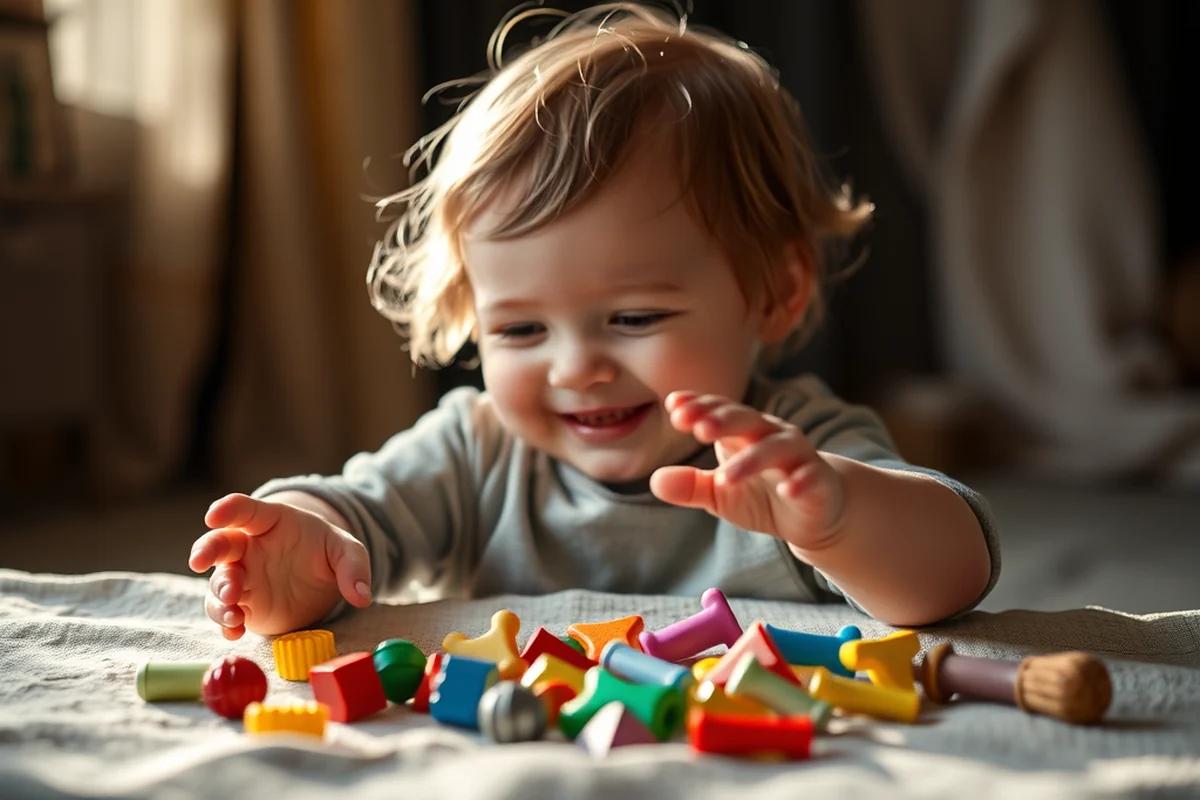
I used to think that simply taking my toddler outside and showing her a leaf or a bug would be enough. But it wasn’t. I realized that I needed to make the experience feel like a small adventure. I started using a magnifying glass to look at details, and I played pretend with the natural items we found. We made up stories about the bugs, the clouds, and the trees.
One day, we found a ladybug, and I said, ‘Look, Maya! This ladybug is a secret messenger. It can only be seen by the most curious people.’ She giggled and tried to find more. That day, she asked to take the journal with her everywhere. The magic was in the storytelling and the wonder, not the journal itself.
I’ve since learned that the toddler nature journal is a tool, not the goal. The real magic happens when we create a sense of adventure and curiosity through storytelling and play. That’s how we turn the journal into something meaningful.
Turn every leaf into a story, every bug into a mystery.
Related: Toddler loves nature
Related: Toddler books on nature
Related: Nature For Toddler Checklist
Related: Nature for toddler guide
Related: Nature for toddler
Related: Toddler Nature Journal Vs
Simplifying the Experience: Less is More
I used to think that the toddler nature journal needed to be elaborate—complete with stickers, pages, and activities. But I found that the more complex the journal, the more resistance my daughter showed. She would look at it and walk away. I realized that I needed to simplify everything.
Now, I use a small, blank notebook with a few pages and a couple of crayons. We don’t worry about making it ‘perfect’ or ‘complete.’ We focus on the act of drawing, scribbling, and exploring. I’ve also found that using natural items like leaves, rocks, and sticks as part of the journaling process helps keep it engaging and sensory-rich.
Simplifying the journal doesn’t mean reducing its value. It means making it accessible and adaptable to your toddler’s needs. When I simplified my approach, my daughter was more willing to engage, and the journal became a source of joy, not frustration.
Incorporate natural elements like leaves, pebbles, and sticks into the journaling process. This adds a sensory component and encourages creativity without the need for complex materials.
“I remember the first time I tried the toddler nature journal with my 2-year-old, Maya.”— Toddler Nature Journaling Themes editors
Adapting to Your Toddler’s Energy Level
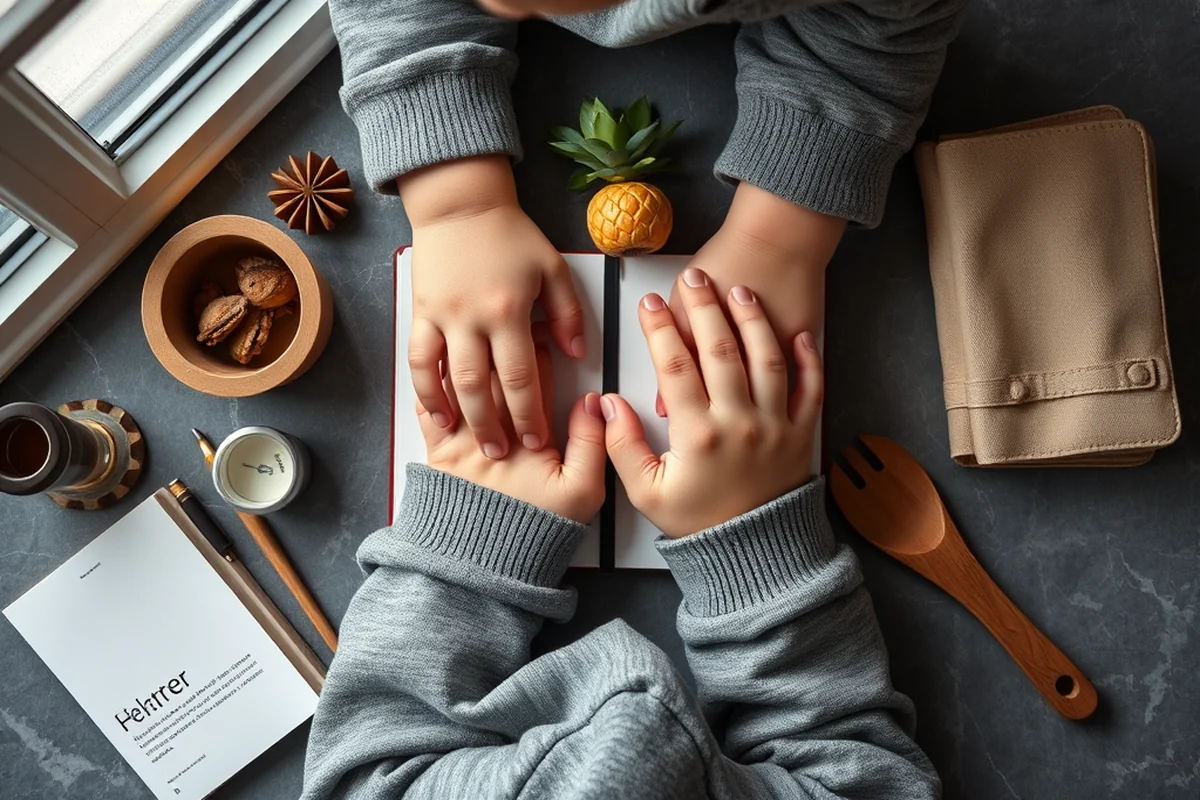
Some toddlers have a short attention span, while others are more focused and engaged for longer periods. I learned that I had to adjust the journaling experience to match my daughter’s energy level. She was more interested in short, spontaneous activities rather than long, structured sessions.
Instead of sitting at a table and focusing on the journal for 20 minutes, we now take short walks and make quick journal entries. We might stop at a park, find a leaf, and make a small drawing in the journal. These short, spontaneous moments are more effective than trying to force a long, structured session.[3]
Adapting to your toddler’s energy level doesn’t mean compromising on the quality of the experience. It means respecting their needs and creating a journaling experience that fits their natural rhythm.
Encouraging Creativity and Expression
I used to think that the toddler nature journal needed to be ‘done correctly’—with specific colors, drawings, and entries. But I realized that my daughter didn’t care about the ‘correct’ way. She just wanted to express herself, no matter how messy or abstract.
Now, I focus on encouraging her creativity, not correcting it. If she draws a stick as a dragon, that’s fine. If she scribbles all over the page, that’s okay too. The goal is to let her explore and express herself without judgment.
Encouraging creativity and expression is about giving your toddler the freedom to engage with the journal in their own way. This can lead to a more meaningful and enjoyable experience for both of you.
Making It a Shared Activity
I used to treat the toddler nature journal as something I did for my daughter, not with her. But I realized that when I made it a shared activity, she was more interested and engaged. We would sit together, talk about what we saw, and make entries together.
One of my favorite moments was when we found a flower and drew it together. She would point out the colors, and I would help her draw it. We made up a story about the flower and where it lived. It was a simple activity, but it made the journal feel more meaningful to her.
Making the toddler nature journal a shared activity can help your child feel connected to you and to the natural world around them. It’s about creating a shared experience that builds trust, curiosity, and joy.
Shared moments in nature create lasting memories.
The Importance of Praise and Encouragement
I used to think that praise was unnecessary, but I quickly learned that it made a huge difference. When my daughter did something creative in the journal, I made sure to praise her. I would say things like, ‘That’s a beautiful drawing!’ or ‘I love how you colored that leaf.’
Praise doesn’t have to be complicated. It just needs to be genuine and specific. When I started praising her efforts, she became more confident and more willing to engage with the journal. She didn’t feel like she had to do it perfectly; she just felt valued for her participation.
Praise and encouragement can help your toddler feel successful and proud of their work. It’s a simple but powerful way to reinforce their engagement with the journal and build their confidence.
🌿 Gentle Approach
A soft, low-pressure method that focuses on exploration and play rather than structured activities.
⏳ Fast-Track Approach
A quick, on-the-go method that fits into busy schedules and uses minimal materials.
🌍 Travel/Away-from-Home Approach
A flexible method that can be used anywhere, from parks to road trips, with natural items gathered along the way.
👶 Multiples Approach
A method designed for families with more than one toddler, encouraging shared journaling and creative collaboration.
🔄 Regression Reset Approach
A method that helps rekindle interest in the toddler nature journal if it’s been set aside or not working as well.
| The mistake | Why it happens | The fix |
|---|---|---|
| Using too many complex materials | This can overwhelm your toddler and make the journal feel like a chore rather than a fun activity. | Use simple, sensory-based materials and focus on the experience, not the tools. |
| Forcing structured journaling sessions | This can make the journal feel forced and unenjoyable for your toddler. | Make it a spontaneous, playful activity that matches your toddler’s energy level. |
| Not adapting to your toddler’s interests | If the journal doesn’t align with your toddler’s interests, they may not be engaged or excited about it. | Use natural items that interest your toddler and let them explore in their own way. |
| Overcorrecting your toddler’s drawings or expressions | This can discourage creativity and make your toddler feel self-conscious about their work. | Praise and encourage your toddler’s efforts, no matter how messy or abstract they are. |
Toddler Nature Journal Not Working
Common Questions
What if my toddler doesn’t want to sit still long enough for journaling?
What if my toddler is too young for a journal?
What if I don’t have a journal or materials?
What if my toddler gets frustrated with the journal?
Cite this guide
Toddler Nature Journaling Themes (2026). Toddler Nature Journal Not Working. https://naturemarks.com/toddler-nature-journal-not-working/[4]
Feel free to cite or share this guide.
References
- 4-H Nature Connections: Making a Paper Bag Journal - 4-H (canr.msu.edu)
- Milwaukee County | Nature Journal Club (county.milwaukee.gov)
- Kids GO (Get Outside) - Department of Environmental Conservation (dec.ny.gov)
- Nature Journal Hike, Paynetown SRA (Monroe Lake) - State of Indiana (events.in.gov)