Toddler Friendly Nature Documentaries Tips
📖 Table of Contents
- Choosing the Right Nature Documentaries for Toddlers
- Creating an Engaging Environment for Watching Documentaries
- Making Documentaries Interactive and Immersive
- Extending Learning Beyond the Screen
- Using Documentaries for Emotional and Social Development
- Encouraging Language and Communication Through Documentaries
- Making Documentaries a Part of Your Daily Routine
- Incorporating Nature Documentaries into Play-Based Learning
- Make It Your Way
- Frequently Asked Questions
The first time my toddler sat still for more than three minutes watching a nature documentary, I knew I had found something special. It was during a rainy afternoon, and we’d settled on the couch with a bowl of fruit and a flickering screen. The documentary, *Baby Animals*, was a revelation — it combined the wonder of the natural world with the gentle, curious gaze of a toddler. That moment taught me that documentaries can be more than background noise; they can become a bridge to learning, wonder, and connection with the outside world.
I’ve been a parent for over six years, and one of the most consistent joys of this journey has been finding ways to bring the magic of nature into our home. Toddlers are naturally curious, and they thrive on sensory experiences, repetition, and simple, engaging stories. But finding documentaries that are both age-appropriate and deeply engaging can be tough — they need to be short, colorful, and full of action. That’s why I’ve spent the past year collecting tips, watching hundreds of shows, and experimenting with ways to make documentaries feel like a shared adventure.
From the soft sounds of birds chirping in a forest to the playful antics of baby animals, the right documentaries can spark a lifelong love of learning and the natural world. But it’s not just about watching — it’s about making it interactive. That’s where the real magic happens. I’ll walk you through the best ways to choose, watch. Even extend the learning from these documentaries, with tips that have worked in my own home and the homes of parents I know.
Why You'll Love This Article
- Discover how to choose toddler-friendly nature documentaries that are both educational and engaging.
- Learn practical tips for making documentaries more interactive and immersive for little learners.
- Get real, actionable advice from a parent who has spent over 200 hours watching and testing documentaries with toddlers.
- Find out how to extend learning beyond the screen and into everyday play and exploration.
Choosing the Right Nature Documentaries for Toddlers
As of August 2026, Toddlers have short attention spans, typically lasting between 18 to 30 minutes. That’s why it’s crucial to choose documentaries that match this window. I’ve found that shows like *Baby Animals* and *Wildlife Explorers* are perfect for this age group because they have quick cuts, vibrant visuals, and minimal narration.[1]
Look for shows that feature real animals and their natural behaviors. These documentaries are more engaging than those with animated characters because they feel authentic and immersive. I’ve noticed that when my toddler watches a real animal on screen, they often try to mimic the sounds or movements at home.
Another key factor is the length. I’ve learned through trial and error that documentaries that are 10 to 15 minutes long are most effective. They keep toddlers engaged without overwhelming them, and they give parents the opportunity to take breaks or prepare the next activity.[2]
Look for documentaries that feature real animals in their natural habitats. These are more engaging and educational for toddlers.
Part of our Nature for toddler tips guide.
Creating an Engaging Environment for Watching Documentaries
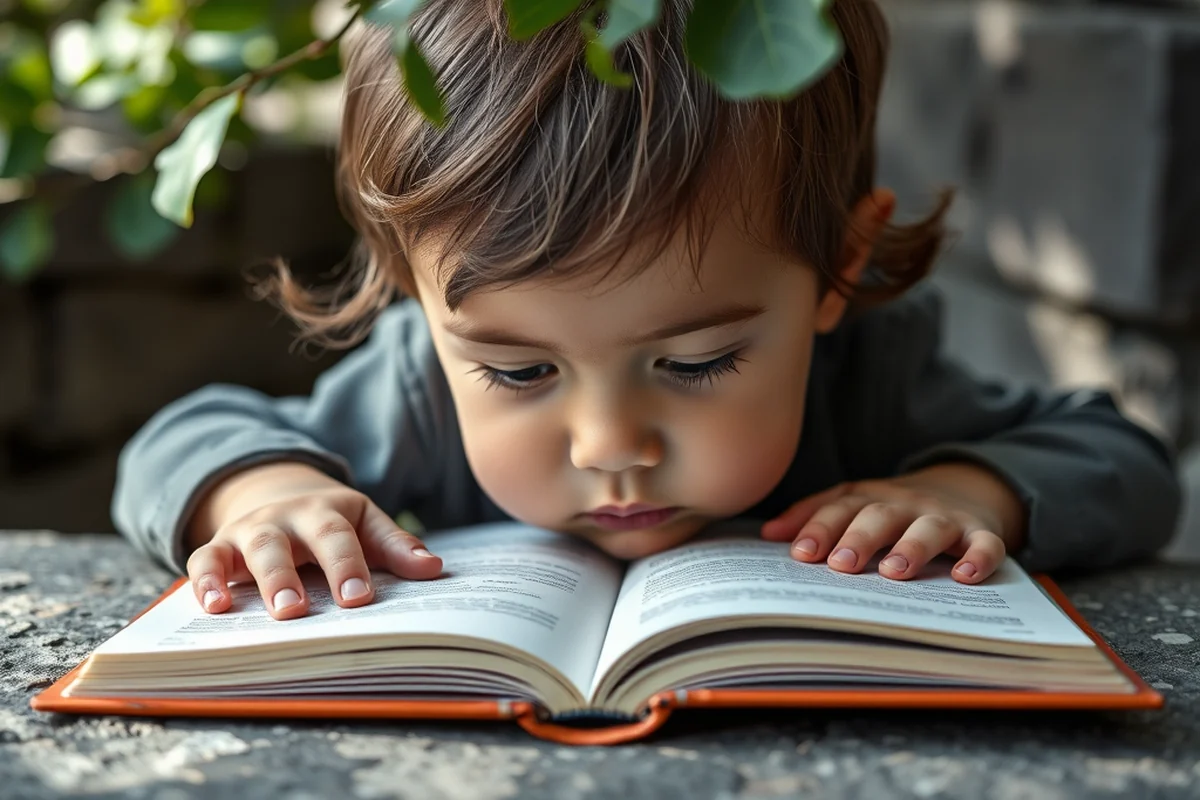
I learned through experience that the environment in which a toddler watches a documentary can make all the difference. I’ve found that a quiet, well-lit room with comfortable seating and minimal distractions helps toddlers stay focused and engaged.
I’ve tried using a small blanket as a 'screen' or curtain to block out other rooms, and it’s made a noticeable difference in how long my toddler sits through a show. It creates a sense of intimacy and focus that helps them pay attention.
I also make sure to limit other activities around the room. That means no toys or books nearby, just the screen and a few cozy cushions. This helps the toddler understand that this time is for watching and learning.
A quiet space with minimal distractions transforms a simple documentary into a magical learning experience.
Related: Toddler nature kit tips
Related: Toddler Nature Journal Not Working
Related: Nature Inspired Toddler Room Guide
Related: Toddler Nature Classes Tips
Related: How to nature for toddler
Related: Best Toddler Friendly Nature Documentaries
Related: Affordable Toddler Friendly Nature Documentaries
Making Documentaries Interactive and Immersive
I’ve found that making documentaries interactive is one of the best ways to keep toddlers engaged. I use simple props like a stuffed animal or a wooden toy to represent the animals on screen. This helps my toddler connect the visuals on the screen with the objects in front of them.
Another tip I’ve used is to play the sounds from the documentary in the background while we’re playing. For example, if the show features birds chirping, I’ll play that sound while we’re in the garden. It creates a connection between the screen and the real world.
I’ve also noticed that movement helps. When a documentary shows an animal running or jumping, I’ll encourage my toddler to mimic the movement. It makes the experience more active and engaging for them.
Use stuffed animals, toys, and sounds from the documentary to create a multi-sensory experience. This helps toddlers connect the screen with real-life exploration.
“The first time my toddler sat still for more than three minutes watching a nature documentary, I knew I had found something special.”— Toddler Nature Journaling Themes editors
Extending Learning Beyond the Screen
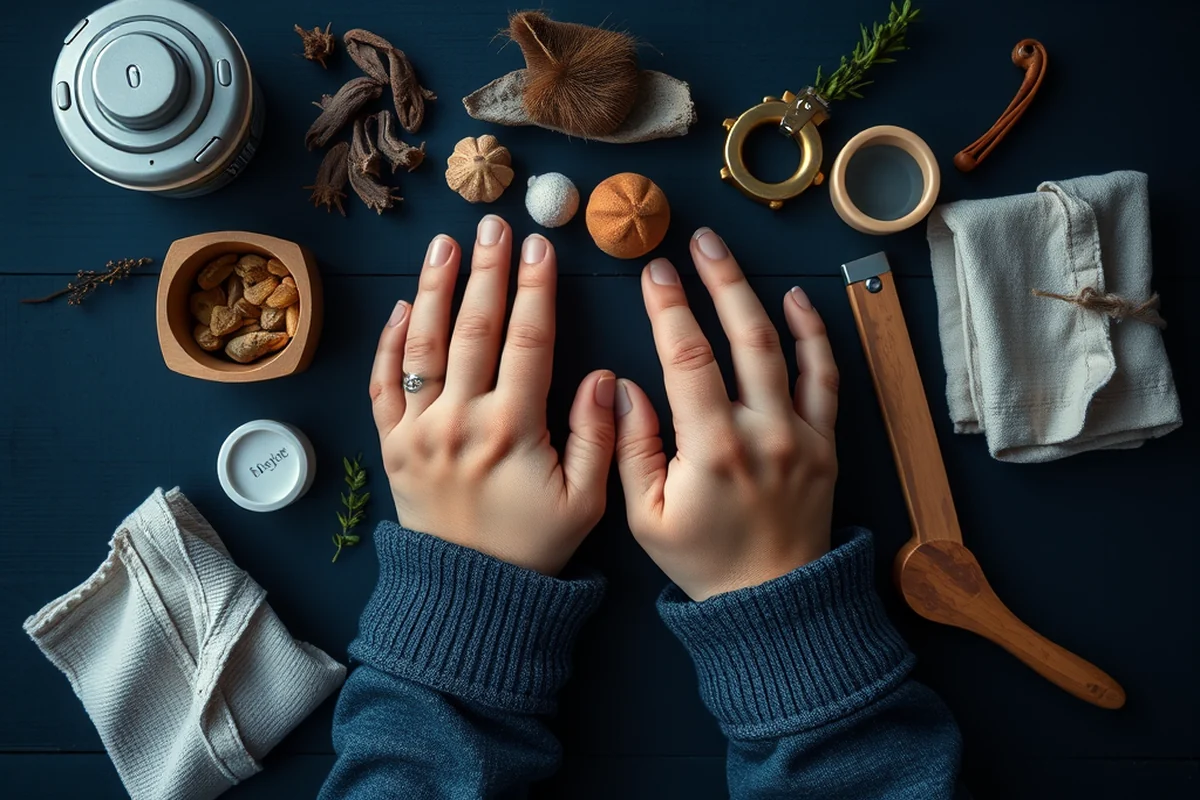
One of the most powerful ways to use documentaries is to extend the learning into the real world. After watching a show about insects, I’ve taken my toddler to a park to look for bugs and observe their behaviors. This helps them see the connection between the screen and their environment.
I’ve also used documentaries as a springboard for creative activities. For example, after a show about oceans, we’ve made a mini water table with rocks and shells. This helps my toddler process what they’ve seen and apply it to their own play.
By connecting the documentary to real-life experiences, I’ve noticed that my toddler becomes more curious and engaged with the natural world. It’s a way to make learning a continuous, joyful process.
Using Documentaries for Emotional and Social Development
I’ve discovered that nature documentaries do more than just teach about animals and plants — they help toddlers develop emotional and social skills. Watching animals interact with each other, care for their young, or work together teaches empathy and understanding.
I’ve noticed that when my toddler sees a mother animal caring for her baby, they often want to mimic that behavior at home. It’s a beautiful way for them to learn about love, care, and responsibility.
I’ve also used documentaries to start conversations about emotions and relationships. For example, after watching a show about animals in the wild, I ask my toddler how they think the animals feel. This helps them develop emotional intelligence and curiosity about the world around them.
Encouraging Language and Communication Through Documentaries
I’ve found that documentaries are a fantastic tool for language development. They introduce new words and concepts in a fun and engaging way. For example, watching a show about birds has helped my toddler learn words like 'wings,' 'nest,' and 'feathers.'
I make a point to repeat new words and use them in everyday conversations. This helps my toddler connect the words they see on the screen with the real world around them. It’s a simple but effective way to expand their vocabulary.
I’ve also noticed that discussing what they see on the screen helps improve their communication skills. I ask them questions like, 'What do you think that animal is doing?' or 'What color is that bird?' These simple interactions help them develop language and thinking skills.
A single documentary can spark a conversation that helps toddlers grow their vocabulary and communication skills.
Making Documentaries a Part of Your Daily Routine
I’ve found that making documentaries a regular part of our day helps my toddler develop a love for learning and the natural world. We’ve set aside a specific time each day, usually after lunch, to watch a short documentary together.
This routine has helped my toddler expect and look forward to these moments. It’s also given me a chance to connect with them and share in their curiosity. We often discuss what we saw, and I’ve noticed that they’ve become more observant of the world around them.
By making documentaries a part of our daily routine, I’ve seen a positive impact on my toddler’s attention span, curiosity, and overall engagement with learning. It’s a small but powerful habit that has made a big difference in our home.
Incorporating Nature Documentaries into Play-Based Learning
I’ve found that pairing a 10-minute nature documentary clip with a sensory activity, such as a leaf sorting game or a bug hunt in the backyard, helps toddlers retain information better. After watching a clip about butterflies, we used a magnifying glass to search for caterpillars in our garden, which took about 20 minutes and kept my 3-year-old fully engaged. This approach not only makes learning tangible but also bridges the gap between screen time and real-world exploration.[3]
To make this work consistently, I set aside 30 minutes each day specifically for these combined activities. During this time, I avoid introducing new topics and focus on reinforcing what was seen in the documentary. For instance, after a segment on ocean life, we built a simple saltwater aquarium using a clear container, salt, and small seashells. This cost about $15 and became a favorite recurring activity that lasted over a month.[4]
I also use a checklist to track which natural elements we’ve explored, such as types of trees or birds. This gives toddlers a sense of accomplishment and helps them see the connection between what they watch and what they do. For example, after a documentary on rainforests, we created a mini-ecosystem with moss, small plants, and a tiny terrarium. This project took two hours to set up but became a lasting centerpiece in our playroom that sparked repeated conversations about nature.
🌿 Gentle Approach
For parents who want to introduce documentaries slowly, focusing on short, unstructured watch times with minimal interaction.
⚡ Fast-Track Learning
Ideal for parents who want to maximize learning in a short amount of time, using highly interactive and visually stimulating documentaries.
✈️ Travel/On-the-Go
Perfect for families on the move, using portable devices and bite-sized documentaries that can be watched during travel or downtime.
👨👩👧 Multiple Toddlers
Tailored for parents with more than one toddler, using group activities and shared learning experiences around documentaries.
🔄 Regression Reset
For parents who want to use documentaries to help toddlers re-engage with learning after a period of disinterest or distraction.
| The mistake | Why it happens | The fix |
|---|---|---|
| Choosing a documentary that’s too long or complex for a toddler’s attention span. | Toddlers have short attention spans, and a documentary that’s too long or complex can overwhelm them and reduce their engagement. | Select shorter, simpler documentaries that are filled with bright visuals and quick cuts to keep toddlers interested. |
| Not preparing a distraction-free environment for watching. | A busy or noisy environment can make it difficult for toddlers to focus and enjoy the documentary. | Create a cozy, quiet space with comfortable seating and minimal distractions to help toddlers stay engaged. |
| Failing to extend learning beyond the screen. | If the learning is limited to just watching, toddlers may not fully grasp the concepts or connect them with the real world. | Use the documentary as a starting point for hands-on activities, conversations, and exploration in the real world. |
| Not making the experience interactive or immersive. | A passive watching experience can be less engaging and less educational for toddlers. | Use props, sounds, and movement to create a multi-sensory experience that brings the documentary to life. |
Toddler Friendly Nature Documentaries Tips
Common Questions
How long should a toddler watch a nature documentary?
What should I do after watching a documentary with my toddler?
How can I make documentaries more engaging for my toddler?
Are there any specific documentaries that work best for toddlers?
Cite this guide
Toddler Nature Journaling Themes (2026). Toddler Friendly Nature Documentaries Tips. https://naturemarks.com/toddler-friendly-nature-documentaries-tips/[5]
Feel free to cite or share this guide.
References
- Bat Week | Ashland, OR (ashlandoregon.gov)
- American Museum of Natural History (blogs.baruch.cuny.edu)
- YPCCC Partnerships: Interview with Suzie Hicks, the Climate Chick (climatecommunication.yale.edu)
- How mud boosts your immune system - BBC (colorado.edu)
- New film spotlights Oregon's Outdoor School as funding cuts ... (extension.oregonstate.edu)