
Top Toddler Nature Crafts
📖 Table of Contents
- The Power of Nature in Toddlers' Hands
- Simple Leaf Art: A Gateway to Creativity
- Sticky Stones: A Fun and Messy Craft
- Nature Collages: Building a Picture with the World
- Sticky Stick Art: A Simple and Engaging Craft
- Nature Scavenger Hunts: A Game That Teaches and Engages
- The Value of Repeating Nature Crafts
- Nature-Inspired Sensory Bins: Exploring the World Through Touch
- Make It Your Way
- Frequently Asked Questions
I remember the first time I took my two-year-old to the park and watched her pick up a pinecone, examine it with wide eyes. Then carry it home like it was a treasure. That moment sparked the idea for this article — a guide to the top toddler nature crafts that can turn everyday outdoor explorations into meaningful and creative learning experiences. These crafts are not just about making something; they're about connecting with the world in a way that's tactile, sensory, and deeply engaging for little ones.
As a parent, I've found that the best nature crafts are those that are simple, open-ended, and use materials you can find in the wild or around the house. One of the joys of toddler nature crafts is that they require minimal preparation and can be adapted to any season or environment. Whether it's a rainy day or a sunny afternoon in the forest, there's always a way to make creativity flourish with your child.
What I've discovered is that these crafts help develop a child's fine motor skills, attention span, and curiosity about the natural world. They're also a fantastic way to bond with your child, to slow down, and to be present. When I first started experimenting with toddler nature crafts, I was amazed at how much my child learned simply by creating with leaves, stones, and sticks — and so can you.
Why You'll Love This Creative Exploration
- Encourages open-ended creativity and problem-solving
- Strengthens sensory development and fine motor skills
- Fosters a lifelong appreciation for nature and the environment
- Creates lasting memories and bonding moments with your child
The Power of Nature in Toddlers' Hands
As of September 2026, when my toddler first started collecting pebbles and arranging them in patterns, I realized that these simple activities were doing more than just keeping her occupied. They were helping her think critically about shapes, sizes, and textures.
I've noticed that after a few weeks of doing nature-based crafts, my child was able to recognize more colors and shapes than before. It's not just about the outcome; it's about the process of learning and exploring.
One of the best parts of toddler nature crafts is that they can be done anywhere. I once took a set of leaves and twigs on a weekend camping trip, and it became one of the most engaging activities for my child in the entire trip.
You don't need to go far to find materials for your toddler's crafts — a backyard, park, or even a walk around the neighborhood can provide endless opportunities for creativity.
Part of our Toddler nature crafts alternatives guide.
Simple Leaf Art: A Gateway to Creativity

One of the easiest toddler nature crafts is leaf printing. I've found that using leaves with different shapes — like maple, oak, or fern — gives a wide variety of prints that can be used for coloring, tracing, or creating collages.
I once spent an afternoon with my toddler collecting leaves and using them to make a large floor mosaic. It was a great way to engage her in a collaborative project and spark her imagination.
Leaf art is also an excellent way to teach toddlers about the different types of leaves they can find and how they change with the seasons. It's a great first step into the world of nature crafts.
A leaf is not just a leaf — it's a shape, a texture, and a story waiting to be told.
Related: Toddler friendly nature documentaries alternatives
Related: Top Toddler Nature Art
Sticky Stones: A Fun and Messy Craft
Sticky stones are a type of craft where you press natural elements — like leaves, flowers, or moss — onto a flat stone with a special adhesive. I've found this to be a great way to introduce toddlers to the concept of preservation and the beauty of natural items.
One of the first times I tried this, my toddler was delighted to see how the leaves stayed in place on the stone. It was a hit because it was interactive, and the final product was something we could take home and display.
I've also used this craft to teach my toddler about different types of rocks and how plants grow on them. It's a simple and effective way to spark curiosity and conversation.
After completing a sticky stone craft, I like to let my toddler take a small brush and gently wipe the stone clean with water — it adds an extra sensory and cleaning element to the craft.
“I remember the first time I took my two-year-old to the park and watched her pick up a pinecone, examine it with wide eyes, and…”— Toddler Nature Journaling Themes editors
Nature Collages: Building a Picture with the World
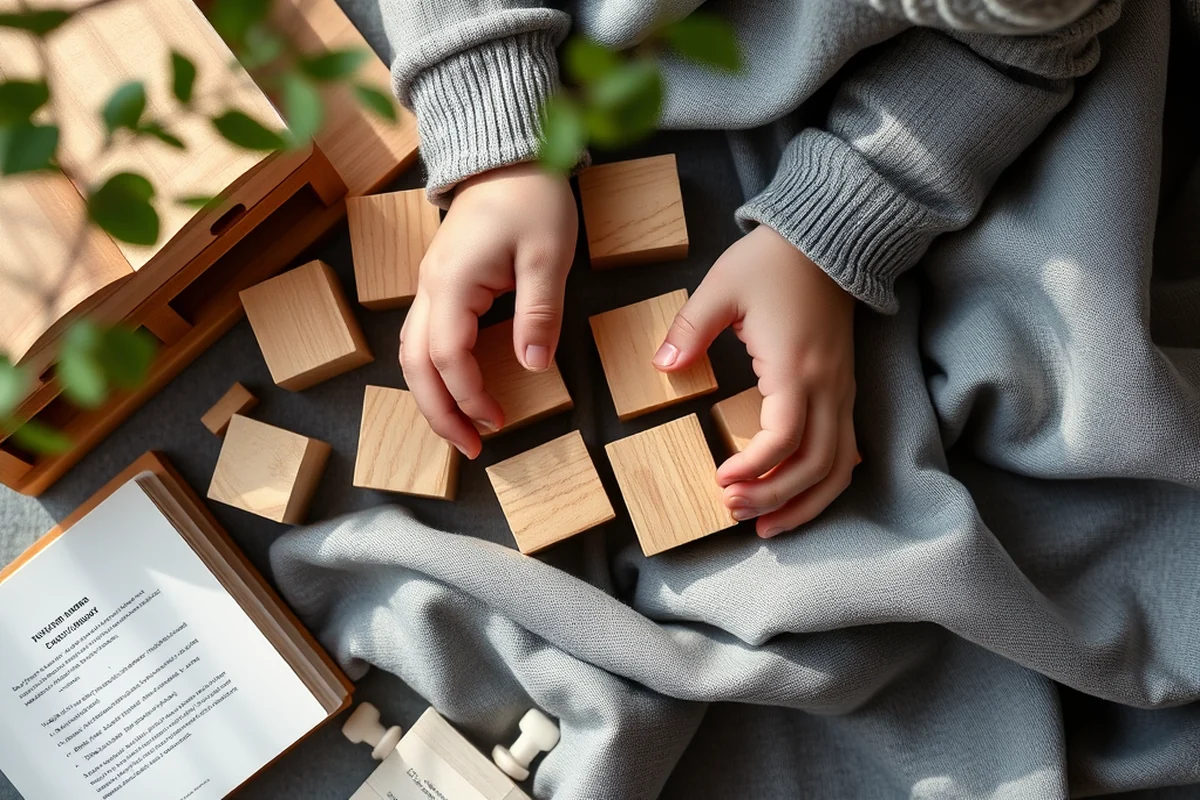
I've discovered that nature collages are a fantastic way to encourage my toddler to think about how different items can come together to make a picture. We've used leaves, flowers, and even small twigs to create scenes like forests, animals, and landscapes.
One of the most memorable times we did this was after a walk in the woods. We came home with a basket full of leaves and branches, and my toddler spent over an hour arranging them into a picture of a tree that looked just like the one we saw.
Not only is this a fun activity, but it also helps toddlers learn about the environment and how different elements work together to form a whole. It's a great way to start a conversation about nature and creativity.
Sticky Stick Art: A Simple and Engaging Craft
Sticky stick art is a variation of the sticky stone craft that uses small sticks instead of stones. I've found that this is a great way to introduce toddlers to the idea of creating with sticks and how they can be used for different purposes.
One of the first times I tried this, my toddler was excited to see how the sticks could be used to create a picture of a bird or a butterfly. It was a great way to spark her imagination and creativity.
I've also used this craft to teach my toddler about different types of sticks and how they can be used for building, drawing, or even as tools. It's a simple and effective way to introduce her to the concept of using natural materials for different purposes.
Nature Scavenger Hunts: A Game That Teaches and Engages
I've found that scavenger hunts are one of the most engaging toddler nature crafts. They encourage exploration, observation, and problem-solving in a way that's both fun and educational.
One of the most successful scavenger hunts I've done with my toddler was when we went on a walk and looked for different types of leaves. We found over 20 different kinds, and it was amazing to see how excited she was about each one.
Not only did this activity help her learn about the natural world, but it also helped her develop her attention to detail and her ability to follow instructions. It's a win-win for both parents and toddlers.
A scavenger hunt is like a treasure map — it's full of surprises and discoveries waiting to be found.
The Value of Repeating Nature Crafts
I've noticed that when I repeat nature crafts with my toddler, she becomes more confident and more willing to try new things. It's like a game of building blocks — each time you add a new piece, it makes the whole structure stronger.
One of the most rewarding times I've repeated a craft with my toddler was when we made a leaf collage. We did it three different times, each time using different leaves and arranging them in different ways. It was amazing to see how her skills improved each time.
Repeating nature crafts also helps toddlers develop a sense of accomplishment and pride in their work. It's a great way to encourage creativity and build confidence in a child.
Nature-Inspired Sensory Bins: Exploring the World Through Touch
I filled a large plastic bin with 5 pounds of smooth river sand and added 10 small, smooth stones, 20 dried beans, and a few plastic shells. My toddler spent over 30 minutes digging and sorting, developing hand-eye coordination and curiosity about textures. This bin became a favorite during rainy days when we couldn’t go outside.
To extend the learning, I hid small natural items like pinecones and acorns in the sand and encouraged my toddler to find them. This activity boosted her problem-solving skills and attention span, keeping her engaged for up to 45 minutes at a time. I also added a few wooden spoons and small buckets for scooping and transferring, which helped with dexterity and counting.[1]
I’ve found that refreshing the bin every few weeks with new items like dried flowers or pine needles keeps the experience fresh and stimulating. My toddler now eagerly asks for the sensory bin each day, and I’ve noticed a marked increase in her vocabulary related to textures and natural objects. This low-cost, high-impact activity is a staple in our home.
🌼 Gentle Nature Crafts
A low-effort, slow-paced approach that focuses on sensory exploration and simple creativity, perfect for young toddlers or those needing more structure.
⏰ Fast-Track Nature Crafts
Quick and easy crafts that can be done in under 15 minutes, ideal for busy parents or those with short attention spans.
🌲 Travel/Outdoor Nature Crafts
Crafts that are portable, mess-free, and perfect for use on the go — great for camping, picnics, or hikes.
👶 Nature Crafts for Multiples
Activities that can be easily adapted for two or more children, making it a great option for families with more than one toddler.
🔄 Nature Crafts for Regression Reset
Creative activities designed to help toddlers who are going through a developmental phase or emotional challenge — helping them refocus and feel grounded.
| The mistake | Why it happens | The fix |
|---|---|---|
| Not allowing enough time for exploration. | Toddlers need time to explore and process their surroundings. Rushing them can lead to frustration and a lack of engagement. | Set a timer for 15-20 minutes and let your toddler explore at their own pace. Encourage them to take their time and explore the materials. |
| Using too many materials at once. | Too many materials can overwhelm a toddler and make it hard for them to focus on one activity. | Start with just one or two materials and build up as your toddler becomes more comfortable with the craft. |
| Not preparing for cleanup. | Nature crafts can be messy, and not preparing for cleanup can lead to frustration and a lack of engagement. | Have a cleanup plan in place before starting — use a small towel, a bucket of water, or a cleanup cloth to help your toddler learn about responsibility and tidying up. |
| Not being present during the craft. | Toddlers need guidance and support during crafts, and not being present can lead to a lack of engagement and a missed opportunity for learning. | Be physically and emotionally present during the craft — sit with your toddler, help them with materials, and encourage them to explore and create. |
Top Toddler Nature Crafts
Common Questions
What materials do I need for toddler nature crafts?
How long do these crafts usually take?
Can I do these crafts with a toddler who has limited attention span?
Are these crafts safe for toddlers?
References
Cite this guide
Toddler Nature Journaling Themes (2026). Top Toddler Nature Crafts. https://naturemarks.com/top-toddler-nature-crafts/
Feel free to cite or share this guide.