
Affordable Toddler Nature Time
📖 Table of Contents
- Start Small: The Power of Micro-Adventures
- Use What You Have: No Need for Expensive Tools
- Make It a Routine: Consistency Builds Connection
- Explore the Neighborhood: Your Backyard Is a Treasure Trove
- Make It Interactive: Encourage Your Toddler to Ask Questions
- Embrace the Mess: Nature Can Be Messy (And That’s Okay)
- Use All Your Senses: Nature Is for Exploring, Not Just Looking
- Make It Your Way
- Frequently Asked Questions
When my toddler daughter, Lily, first spotted a ladybug on our morning walk, her eyes lit up with a kind of wonder that made me pause. We stopped to watch it scuttle across the sidewalk, and she asked me, 'What’s it doing?' I told her it was exploring, just like we were. That moment stuck with me—not just for the beauty of it, but because it showed me that even the simplest nature encounters can spark curiosity and joy in toddlers. And the best part? You don’t need a lot of money to make this happen. Affordable toddler nature time is about being present, being mindful, and being open to the world outside your doorstep.
I used to think that nature experiences for toddlers had to be elaborate—like a weekend camping trip or a pricey zoo membership. But after a few months of experimenting with short, spontaneous walks and simple activities in our own neighborhood, I realized that the most meaningful moments often come from the smallest discoveries. My toddler can identify a dandelion from 20 feet away now, and I’ve never spent more than $10 on supplies for our nature adventures. Affordable toddler nature time doesn’t mean less than—it means more meaningful, more accessible, and more connected to the real world.[1]
The key to making affordable toddler nature time work is to shift your mindset. It’s not about extravagant trips or expensive tools. It’s about finding joy in the everyday: a leaf that catches the sunlight, a bird that flies by, or the way the wind feels on your toddler’s face. I’ve learned that the best nature experiences are often free and right outside our door. Whether it’s a park down the street or a garden in our own backyard, the goal is to create a space where your toddler can explore, learn. Grow—without the pressure of spending a lot.
Why You'll Love This Affordable Toddler Nature Time Approach
- It's free or low-cost—no need for expensive memberships or gear.
- It builds curiosity and a lifelong love of nature without the pressure of perfection.
- It's flexible and can happen anywhere, from your backyard to the park.
- It fosters mindfulness and connection for both you and your toddler.
Start Small: The Power of Micro-Adventures
As of September 2026, I’ve noticed that my toddler is more engaged when we keep our nature walks short and frequent. We do a 10-minute walk every morning, and it’s enough to spark her interest in the world around us. The key is to be consistent and to focus on the small, everyday wonders she can see and touch.
We started with our own neighborhood, looking for things like flowers, rocks, and birds. The first time I saw her stop to touch a pebble and say, 'This is smooth,' I knew we were on the right track. She didn’t need a big activity—she needed a chance to explore at her own pace.
I’ve found that even a walk around the block gives us a chance to talk about what we see. We count trees, listen for birds, and point out the way the sun moves across the sky. These micro-adventures are low-pressure, high-impact, and completely free.
Set a timer for 10 minutes and focus only on that time. This helps keep the experience from feeling overwhelming and gives your toddler a clear goal to explore within.[2]
Part of our Affordable toddler nature kit guide.
Use What You Have: No Need for Expensive Tools

I used to think that a nature journal or a magnifying glass was essential, but I’ve found that my toddler’s natural curiosity is enough. We’ve had some of our best moments with just her hands and a few rocks we found in the backyard.
I’ve never spent more than $20 on supplies for our nature walks. We use a small notebook for occasional sketches, and that’s it. But even that’s optional. The best discoveries happen when we’re just walking, talking, and looking around.
The key is to keep it simple. Your toddler doesn’t need a lot of tools to enjoy nature. She just needs a space to explore and a parent who’s willing to stop and look at the world with her.
Keep it simple. Your toddler’s curiosity is the best tool you can have.
Related: Affordable toddler nature play ideas
Make It a Routine: Consistency Builds Connection
I started setting aside a specific time each morning for our nature walks. It didn’t take long for my toddler to start looking forward to it. She now knows that when we walk out the door, we’re going to see something new and interesting.
This consistency helps build a sense of security and excitement. She knows what to expect, and she can focus on the experience rather than the logistics. It’s also easier for me to plan and prepare for these moments without feeling overwhelmed.
Over time, this routine has become a cherished part of our day. It’s not just about the nature time anymore—it’s about the connection we make during those moments.
Start each walk with a quick check-in: 'What do you want to look for today?' This helps your toddler feel involved and excited about the experience.
“When my toddler daughter, Lily, first spotted a ladybug on our morning walk, her eyes lit up with a kind of wonder that made me…”— Toddler Nature Journaling Themes editors
Related: Cheap toddler nature kit
Explore the Neighborhood: Your Backyard Is a Treasure Trove
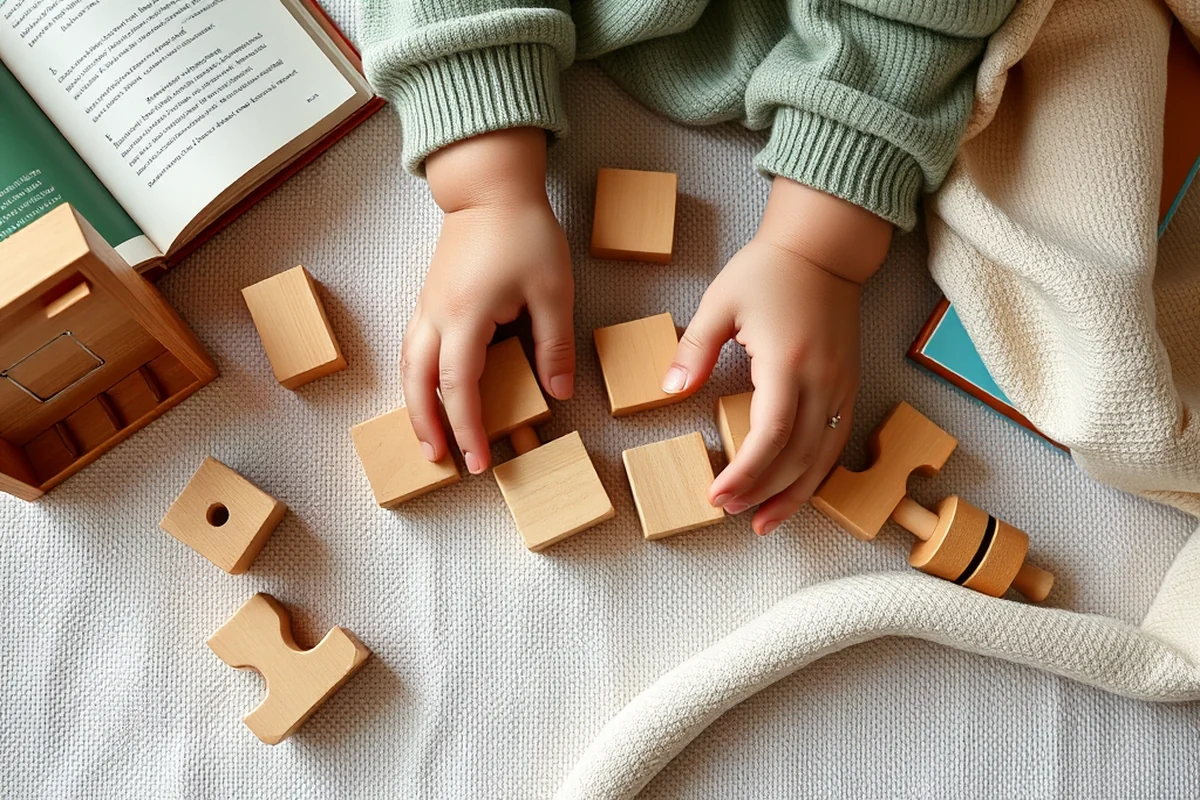
I’ve found that our own backyard has more than enough to keep my toddler engaged. We’ve identified different types of grass, watched ants march in lines, and even found a few bird nests.
We take walks around the neighborhood every weekend, and we’ve discovered that the same tree in our backyard looks different from the front yard. It’s amazing how much your toddler can learn from a small area if you give them the chance to explore.
These local explorations don’t cost anything and they can be done on your schedule. Whether it’s a walk around the block or a few minutes in the yard, your toddler can discover the world right outside your door.
Related: Affordable toddler nature crafts
Make It Interactive: Encourage Your Toddler to Ask Questions
I’ve found that my toddler is more engaged when she asks questions. We’ve had conversations about why the sky is blue, what a bird is doing, and why a leaf changes color. These moments are some of my favorite parts of our nature walks.
I try to answer her questions with the same level of curiosity. If she asks why a ladybug is red, I might say, 'I think it’s because that color helps it stay safe from predators.' This gives her a chance to think and explore, even if I don’t know the answer off the top of my head.
By encouraging her to ask questions, I’m helping her build a lifelong habit of curiosity. These small moments of exploration can lead to bigger discoveries down the road.
Related: Affordable toddler nature ideas
Embrace the Mess: Nature Can Be Messy (And That’s Okay)
I used to worry about getting messy on our nature walks, but now I see that it’s part of the experience. My toddler loves getting dirty, and it’s a chance for her to explore with her hands and feel the texture of the world around her.
We’ve had moments where she’s digging in the dirt, splashing in puddles, and even eating a few pebbles. While it can be messy, it’s also a chance for her to engage with nature on a deeper level.
I’ve learned that it’s okay if things get a little messy. The joy and curiosity that come from those moments are worth it. It’s also a chance for us to have fun and connect without worrying about perfection.
Let your toddler get messy—it’s part of the experience.
Related: Affordable toddler nature books
Use All Your Senses: Nature Is for Exploring, Not Just Looking
I’ve found that my toddler is more engaged when she can use all her senses. We talk about the way the wind feels on her face, the smell of the grass, and the sound of the birds. These small details make the experience more immersive.
We’ve had moments where she’s touched a smooth rock and said, 'This is like a baby’s head,' or smelled a flower and said, 'This is like a cookie.' These sensory discoveries are some of the most meaningful parts of our nature walks.
Encouraging her to explore with her whole body helps her connect with the world in a more profound way. It’s also a great way to keep her engaged, even if she’s feeling restless or distracted.
🌿 Gentle Approach
For parents who prefer a slow, mindful pace with short, sensory-rich experiences.
⏰ Fast-Track Approach
Perfect for busy schedules—use quick, high-energy nature walks to keep your toddler engaged.
✈️ Travel/Away-from-Home Approach
Make nature time happen on the go—whether you’re at a park, on a road trip, or in a new city.
👶 Multiples Approach
Tailor nature time for siblings or multiple toddlers with shared activities and discoveries.
🔄 Regression Reset Approach
Use nature time as a way to reset and reconnect after a stressful period for your toddler.
| The mistake | Why it happens | The fix |
|---|---|---|
| Trying to force a structured lesson or activity. | It can make the experience feel forced and less enjoyable for both you and your toddler. | Let your toddler lead the way and explore at her own pace. |
| Focusing too much on what you should be doing. | It can take away from the experience and make you feel like you’re failing if you’re not following a strict plan. | Focus on being present and enjoying the moment, rather than following a checklist. |
| Avoiding mess or dirt. | It can make the experience feel less authentic and limit your toddler’s ability to explore with her hands. | Embrace the mess—it’s part of the experience and helps your toddler connect with nature more deeply. |
| Not talking with your toddler during the walk. | It can make the experience feel more like a chore than a chance for connection and learning. | Use the walk as a time to talk, ask questions, and explore together. |
Affordable Toddler Nature Time
Common Questions
What if I don’t have a park nearby?
How long should our nature walks be?
What if my toddler gets bored quickly?
What if it’s raining or too hot for a walk?
References
Cite this guide
Toddler Nature Journaling Themes (2026). Affordable Toddler Nature Time. https://naturemarks.com/affordable-toddler-nature-time/
Feel free to cite or share this guide.