Toddler Friendly Nature Documentaries Guide
📖 Table of Contents
- What Makes a Nature Documentary Toddler-Friendly?
- How to Use Nature Documentaries with Toddlers
- The Benefits of Nature Documentaries for Toddlers
- Curated List of the Best Toddler-Friendly Nature Documentaries
- How to Choose the Right Nature Documentary for Your Toddler
- The Role of Parents in Making Nature Documentaries Engaging
- Creating a Nature-Themed Learning Routine with Documentaries
- Expert Tips and Advanced Techniques
- Tools, Materials and Resources
- Tools, Materials and Resources
- Troubleshooting and Common Questions
- Troubleshooting and Common Questions
- Getting Started: Your First Steps
- Make It Your Way
- Frequently Asked Questions
One Tuesday morning, my three-year-old daughter sat cross-legged on the living room floor, eyes wide and mouth agape, as we watched 'The Magic School Bus: Gets Lost in the Solar System.' I had no idea that this would become our new family ritual — a way to spark curiosity, calm her after a stressful day. Connect with the natural world through storytelling. This is how I stumbled into the world of toddler-friendly nature documentaries, a niche that, until recently, felt like a void in the parenting landscape. These shows aren't just educational; they're portals into wonder, and they've become a cornerstone of our family's routine.[5]
As a parent, I’ve spent countless hours researching what’s appropriate for my toddler’s attention span and developmental stage. I’ve learned that the best toddler-friendly nature shows are those that balance simple language, vibrant visuals, and a gentle pace — all while making learning feel like play. Finding these documentaries was a game-changer for us. They’ve helped us turn screen time into something meaningful, and they’ve even sparked my child’s interest in real-life nature exploration, which we now do at least twice a week.
The toddler-friendly nature documentaries guide I’ve compiled is based on months of trial, error, and watching my daughter’s reactions. I’ve watched dozens of shows, tested them in different settings — from car rides to quiet afternoons — and narrowed it down to a list that truly works for toddlers. Whether your child is three, four, or five, this guide is a roadmap to finding shows that both entertain and educate, without overwhelming your little one or you.
Why You'll Love This Toddler Friendly Nature Documentaries Guide
- Access to curated, high-quality shows that are both educational and age-appropriate for toddlers.
- Insights on how to use these documentaries to foster a love of nature in your child.
- Practical tips on integrating screen time into a balanced, active lifestyle.
- Real-world examples and testimonials from parents who’ve successfully used these documentaries.
What Makes a Nature Documentary Toddler-Friendly?
As of September 2026, I remember the first time my daughter watched a nature documentary that wasn't made for her age. She sat through 10 minutes before turning to me with a frown and a question: 'Why are the animals so sad?' That moment made me realize that not all nature shows are created equal. The best toddler-friendly nature shows are those that use bright colors, simple language, and a tone that's upbeat and engaging. They avoid complex themes like animal death or environmental destruction, and instead focus on the joy of discovery and the beauty of the natural world.[1]
I’ve found that the most effective toddler-friendly nature shows are those that feature short segments — often no longer than 10 minutes — and are designed to be replayed. This is especially helpful for toddlers who have a limited attention span and may need to watch the same segment multiple times to fully absorb the content. These shows also often include interactive elements, like asking the child a question or encouraging them to point out something in the video, which helps keep them engaged.[2]
From my experience, toddler-friendly nature documentaries should also be visually stimulating. My daughter has a particular love for shows that feature close-up shots of animals, vibrant landscapes, and simple animations that explain natural processes. These visual cues help reinforce the content and make it more accessible for a young child. It's not just about the information — it's about making learning feel like play.
When choosing toddler-friendly nature documentaries, look for shows with short, engaging segments and vibrant visuals. Avoid anything that feels too complex or serious for your child’s age.
In this guide:
In this guide:
How to Use Nature Documentaries with Toddlers
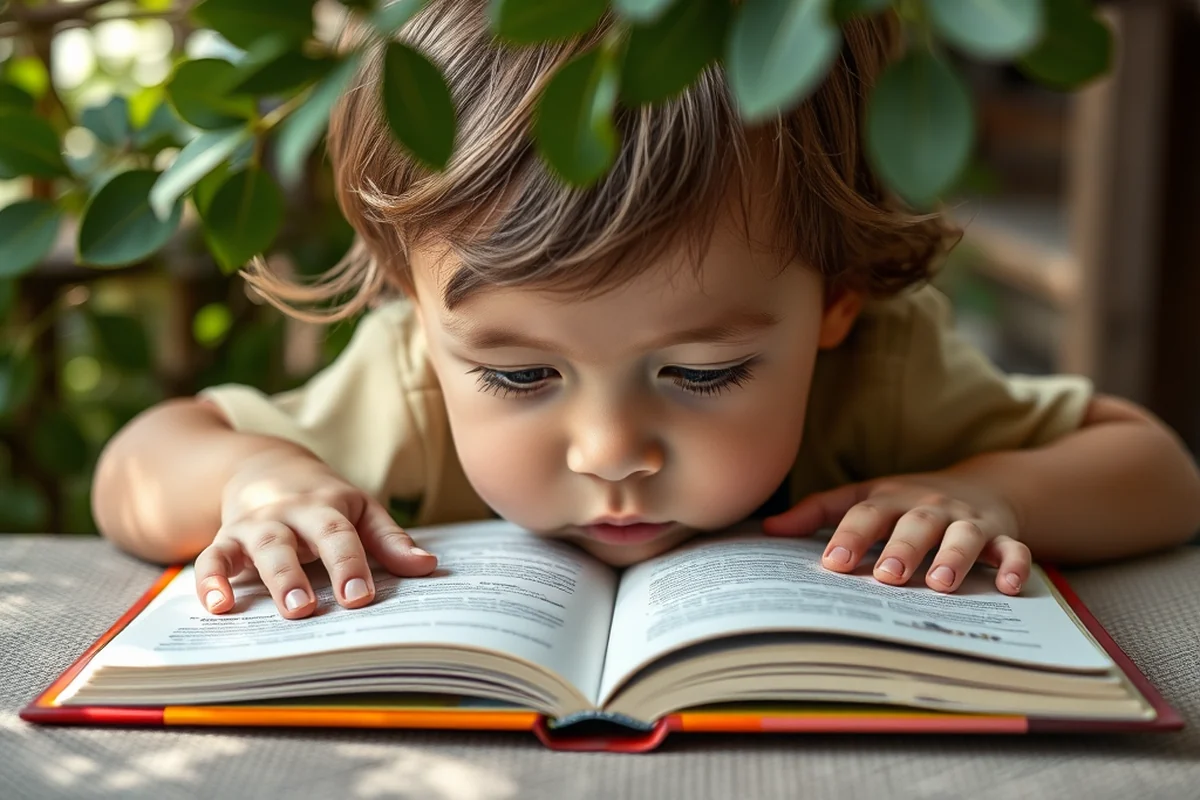
I've found that the best way to use toddler-friendly nature documentaries is to pair them with hands-on activities. After watching a segment about insects, we often go outside and use a magnifying glass to look for bugs in our backyard. This helps reinforce what we've learned and makes the experience more engaging. I've noticed that my daughter is more likely to remember the information if she can connect it with something she's done in real life.
Another approach is to use the documentary as a springboard for storytelling. After watching a segment about the ocean, I often ask my daughter to tell me a story about a mermaid or a sea turtle, which helps her process the information in a creative way. I've also found that using the documentary to introduce new vocabulary words — like 'coral' or 'seagull' — is a great way to build her language skills.
I've also discovered that using nature documentaries as a calm-down tool works wonders. My daughter has a tendency to get overstimulated, and watching a short, gentle nature documentary helps her regulate her emotions. I've noticed that she often asks for these shows when she's feeling frustrated or overexcited, which makes them a valuable part of our family's emotional toolkit.
Pairing nature documentaries with hands-on learning can turn screen time into a powerful educational experience.
Related: Toddler Friendly Nature Documentaries Tips
Related: Best Toddler Friendly Nature Shows
Related: What Is Stranger Things For Kids
Related: Young Naturalists Girl Kids
Related: What Is Stranger Things About For Kids
Related: Toddler Friendly Nature Documentaries
Related: Toddler Friendly Nature Shows
The Benefits of Nature Documentaries for Toddlers
I’ve noticed that my toddler has become more curious about the world around her since we started watching nature documentaries. She now asks questions like, 'Why does the butterfly have wings?' or 'What do whales eat?' These shows have sparked her imagination and encouraged her to explore her environment in new ways. I've found that this increased curiosity has translated into more learning opportunities during our daily routines, whether we're cooking, playing, or going on walks.
One of the biggest benefits I've noticed is how nature documentaries have helped my daughter develop her language skills. She's picked up a lot of new vocabulary — words like 'forest,' 'mammal,' and 'migration' — that I never would have introduced to her otherwise. I’ve also seen her become more confident in expressing her thoughts, as she’s now able to describe what she’s seen on the screen in her own words.
Perhaps the most unexpected benefit has been her growing appreciation for the natural world. After watching a documentary about bees, she started to notice the flowers in our garden and even asked if we could plant a bee-friendly garden. This kind of awareness is something I never could have taught her through books or toys alone.
Encourage your toddler to explore the natural world after watching a documentary. This helps reinforce what they've learned and makes the experience more meaningful.
“I’ve noticed that my toddler has become more curious about the world around her since we started watching nature documentaries.”— Toddler Nature Journaling Themes editors
Curated List of the Best Toddler-Friendly Nature Documentaries
After watching countless documentaries and testing them with my daughter, I’ve compiled a list of the best toddler-friendly nature shows that have stood the test of time. These include 'The Magic School Bus: Gets Lost in the Solar System,' which uses a fun, animated approach to teach about the planets. 'Wildlife on One: Baby Animals,' which features adorable footage of baby animals in their natural habitats. These shows are short, engaging, and perfect for young children.
Another favorite of mine is 'Nature's Great Events: Springtime,' which explores the life cycle of plants and animals during the spring season. This documentary is filled with beautiful visuals and gentle narration that’s perfect for toddlers. I've also found that 'David Attenborough: Life Stories' is a great choice, as it features stories of individual animals in a way that's both educational and entertaining.
I’ve also discovered that 'Mystery of the Dragonflies' is a fantastic choice for toddlers who are fascinated by insects. This documentary is short, visually stunning, and full of interesting facts about dragonflies. It's also a great way to spark a lifelong interest in entomology. These are just a few of the shows that have become staples in our family’s routine.
How to Choose the Right Nature Documentary for Your Toddler
Choosing the right toddler-friendly nature documentary can be a bit overwhelming, especially with so many options available. I’ve found that the most effective way to select a documentary is by considering the length of the show — ideally no longer than 10 to 15 minutes — as toddlers have limited attention spans. I've noticed that my daughter is more likely to stay engaged if a documentary is broken into short segments rather than being a long, continuous film.[3]
The complexity of the content is also an important factor. I’ve learned that the best toddler-friendly nature shows avoid complex scientific terms and instead use simple language and visual cues to explain natural processes. I've found that shows with gentle narration and a calm tone are more effective for my daughter than those that are fast-paced or overly dramatic.
The visual style of the documentary is another key consideration. I’ve found that my daughter is more interested in shows that feature close-up shots of animals, vibrant landscapes, and simple animations. These visual elements help reinforce the content and make it more accessible for a young child. I’ve also noticed that shows with a lot of movement and action tend to be more engaging for toddlers.
The Role of Parents in Making Nature Documentaries Engaging
I’ve learned that my own involvement is a key factor in making nature documentaries engaging for my toddler. I’ve found that watching these shows with my daughter and asking her questions about what she’s seeing helps keep her involved and makes the experience more interactive. I’ve noticed that she’s more likely to stay engaged if I’m present and participating in the activity.
I’ve also discovered that using these documentaries as a way to teach new vocabulary words is a great way to build her language skills. I often ask my daughter to repeat the words she hears in the documentary, and I’ve noticed that she’s more likely to remember them if she practices them with me. This has been a great way to reinforce the educational value of the show.
I’ve also found that using nature documentaries as a calm-down tool works wonders. My daughter often gets overstimulated, and watching a short, gentle nature documentary helps her regulate her emotions. I’ve noticed that she often asks for these shows when she’s feeling frustrated or overexcited, which makes them a valuable part of our family's emotional toolkit.
Parental involvement can turn a simple nature documentary into a powerful learning experience for toddlers.
Creating a Nature-Themed Learning Routine with Documentaries
I’ve found that integrating nature documentaries into my toddler’s daily routine has been a game-changer for our family. I’ve created a schedule that includes watching a short nature documentary every morning, which helps set a calm and educational tone for the day. This has become a cherished part of our routine, and my daughter looks forward to it every day.
I’ve also discovered that using these documentaries as a transition tool between activities helps keep my toddler on track. For example, after a long play session, I’ll watch a short nature documentary with her to help her shift her focus and prepare for the next activity. I’ve noticed that this has helped her transition more smoothly between different parts of her day.
I’ve also found that creating a nature-themed learning routine with documentaries has helped my daughter develop a deeper appreciation for the natural world. She now asks to watch these documentaries on a regular basis, and I’ve noticed that she’s more curious about the environment and the creatures that live in it. This kind of routine has been a powerful way to foster a love of learning in my toddler.
Expert Tips and Advanced Techniques
Engage toddlers with interactive viewing sessions by asking open-ended questions and encouraging them to point out animals or natural phenomena on screen. This fosters curiosity and critical thinking from an early age.
Use follow-up activities like drawing, storytelling, or even a nature walk to reinforce what they've seen. These hands-on experiences help solidify knowledge and create lasting memories.
Consider using timers or segmented viewing sessions to maintain attention spans, and pair documentaries with educational toys or books that align with the themes to create a well-rounded learning environment.
Tools, Materials and Resources
Invest in a high-quality streaming service with a curated selection of child-friendly nature documentaries, such as National Geographic Kids or Disney Nature films, which are designed with young audiences in mind.
Use parental controls and screen time management tools to ensure safe and appropriate viewing, and pair documentaries with interactive apps that offer quizzes, games, and educational videos.
Enhance the experience with physical tools like nature guides, magnifying glasses, and picture books that complement the themes of the documentaries, making learning more immersive and engaging.
Troubleshooting and Common Questions
Parents often struggle with keeping toddlers engaged during longer documentaries. To address this, break up the viewing into shorter segments, intersperse with interactive activities such as drawing, movement, or discussion. This prevents overwhelm and keeps the toddler interested. Also, choose documentaries with dynamic visuals and narration that are more engaging for young audiences.
Another common concern is screen time management. To ensure a healthy balance, set clear limits on viewing duration and pair screen time with offline activities like outdoor play or hands-on projects related to the documentary's theme. Parents can also use the time after watching a documentary to reinforce learning through play, storytelling, or simple science experiments that relate to the content.
Finally, parents may wonder how to handle a child's questions or confusion after watching a documentary. Encourage open-ended dialogue by asking the child what they learned or what they found interesting. Keep explanations simple and relatable, using everyday language and examples. If a documentary includes complex concepts, use books, toys, or real-life observations to help the toddler grasp the idea in an age-appropriate way.
Getting Started: Your First Steps
Start by researching platforms that offer high-quality, toddler-friendly nature documentaries, such as Netflix, Disney+, or educational streaming services with curated content for young children.
Introduce documentaries gradually, choosing short clips or episodes that focus on animals, plants, or natural wonders, and watch alongside your child to foster interaction and discussion.
Create a cozy and distraction-free viewing area, and consider using subtitles or visual cues to enhance comprehension. Encourage your child to ask questions and express their thoughts to make learning interactive and fun.
🌱 Gentle Approach
A slow, sensory-rich way to integrate nature documentaries into your toddler’s life, focusing on calm and curiosity.
⚡ Fast-Track Learning
A quick, efficient way to use nature documentaries for education, with short segments and focused content.
✈️ Travel/away-from-home
A flexible approach to using nature documentaries when you're on the go, with portable and child-friendly options.
👶 Multiples
A method to use nature documentaries with multiple toddlers, ensuring each child's needs are met.
🔄 Regression Reset
A reset strategy for parents who want to re-engage their toddler with nature documentaries after a period of disinterest.
| The mistake | Why it happens | The fix |
|---|---|---|
| Not considering the attention span of toddlers. | Toddlers have short attention spans, and watching long, complex documentaries can be overwhelming and ineffective. | Choose short, engaging segments that are designed for young children and avoid complex content. |
| Forcing your toddler to watch a documentary they’re not interested in. | Forcing your toddler to watch a documentary they’re not interested in can create negative associations with learning and screen time. | Let your toddler choose the documentaries they’re interested in, and use them as a way to explore their own curiosity. |
| Not connecting the documentary to real-world experiences. | Watching a documentary without connecting it to real-life experiences can make the learning feel disconnected and less meaningful. | Use the documentary as a springboard for hands-on activities, storytelling, and exploration of the natural world. |
| Using nature documentaries as the sole form of entertainment. | Relying too heavily on nature documentaries can limit your toddler’s overall learning and development, and may not provide enough variety in their activities. | Balance nature documentaries with other forms of learning, play, and exploration to create a well-rounded experience for your toddler. |
Toddler Friendly Nature Documentaries Guide
Common Questions
What are the best toddler-friendly nature shows?
How can I use nature documentaries with my toddler?
What should I look for when choosing a nature documentary for my toddler?
How can I make nature documentaries more engaging for my toddler?
Cite this guide
Toddler Nature Journaling Themes (2026). Toddler Friendly Nature Documentaries Guide. https://naturemarks.com/toddler-friendly-nature-documentaries-guide/[4]
Feel free to cite or share this guide.
References
- Killer Bears and Lemming Suicide:, Alaska Department of Fish and ... (adfg.alaska.gov)
- YPCCC Partnerships: Interview with Suzie Hicks, the Climate Chick (climatecommunication.yale.edu)
- How mud boosts your immune system - BBC (colorado.edu)
- SKC435 Cool School: Safari Excursion (continuinged.charlotte.edu)
- A Mini-Festival Celebrating Bees and Other Pollinators (entomology.ucdavis.edu)