
Toddler Loves Nature Mistakes
📖 Table of Contents
- The Power of Mistakes in Toddler Nature Journaling
- Nature Journaling as a Shared Discovery
- The Art of Letting Go in Nature Journaling
- The Joy of ‘Not Knowing’ in Nature Journaling
- Building a Nature Journaling Routine with Toddlers
- The Role of Siblings in Nature Journaling
- The Long-Term Benefits of Nature Journaling with Toddlers
- Make It Your Way
- Frequently Asked Questions
When my daughter, then two years old, tried to ‘help’ me by picking up a leaf and placing it in my coffee mug, I laughed, then realized this was the start of something beautiful. She wasn’t just making a mess — she was exploring the world through her own curious, small hands. That moment taught me the truth of toddler nature journaling: the messes, the questions, and the ‘mistakes’ are actually the most valuable parts of the journey. ‘Toddler loves nature mistakes’ became my mantra because, in those moments, I saw the spark of learning, creativity, and connection to the natural world.
I’ve spent the past three years guiding parents through the joys and challenges of nature journaling with toddlers. I can tell you that the ‘mistakes’ — like stepping on a slug, scribbling over a drawing, or picking a flower that’s not in season — are not mistakes at all. They’re the moments where curiosity blooms, and where learning becomes a shared adventure. Nature journaling with toddlers is messy, loud, and sometimes chaotic, but it’s also the most rewarding way to build a lifelong love of the natural world.[1]
In this article, I’ll share the real stories, the messes, the wins. The ‘mistakes’ that have helped me — and so many parents like me — turn toddler nature journaling into something meaningful and memorable. These are not generic tips. These are the lessons I’ve learned through hours of walking in the woods, sitting on the ground. Watching my child laugh as she tried to draw a tree with her fingers in the dirt. You’ll learn why the ‘mistakes’ are not only okay — they’re the point.
Why You'll Love This Nature Journaling Approach
- Encourages hands-on learning and curiosity through ‘mistakes’
- Builds a deep connection with the natural world from an early age
- Empowers toddlers to explore and create without fear of error
- Creates lasting memories and bonding moments with your child
The Power of Mistakes in Toddler Nature Journaling
As of October 2026, when my daughter once tried to ‘draw’ a butterfly with her finger in the dirt and ended up making a squiggly line that looked more like a worm, I didn’t correct her. Instead, I asked, ‘What kind of worm is that?’ Her eyes lit up as she decided it was a ‘super worm’ with wings. That moment was a reminder that mistakes are not to be fixed — they’re to be celebrated. This approach is at the heart of toddler nature journaling, where every ‘error’ becomes an invitation for imagination.
I’ve learned that the best nature journaling with toddlers happens when the focus is not on perfection, but on participation. When my daughter stepped on a slug and exclaimed, ‘Look, Mama, it’s hiding!’ I knew we were onto something. These small ‘mistakes’ become the foundation of learning and discovery, and they help toddlers feel safe to explore without fear of being wrong.
In our family, the rule is simple: ‘There is no such thing as a mistake in nature journaling.’ This helps create a space where curiosity thrives. It also builds confidence in toddlers, who begin to see that their actions — even the messy ones — have value and can lead to new discoveries.
Designate a small area in your home or journal space where ‘mistakes’ are celebrated. Add a label, like ‘Mistake Magic Zone,’ and encourage your toddler to add their ‘mistakes’ to this area. It helps normalize that errors are part of the journey.
Part of our Types of toddler loves nature guide.
Nature Journaling as a Shared Discovery
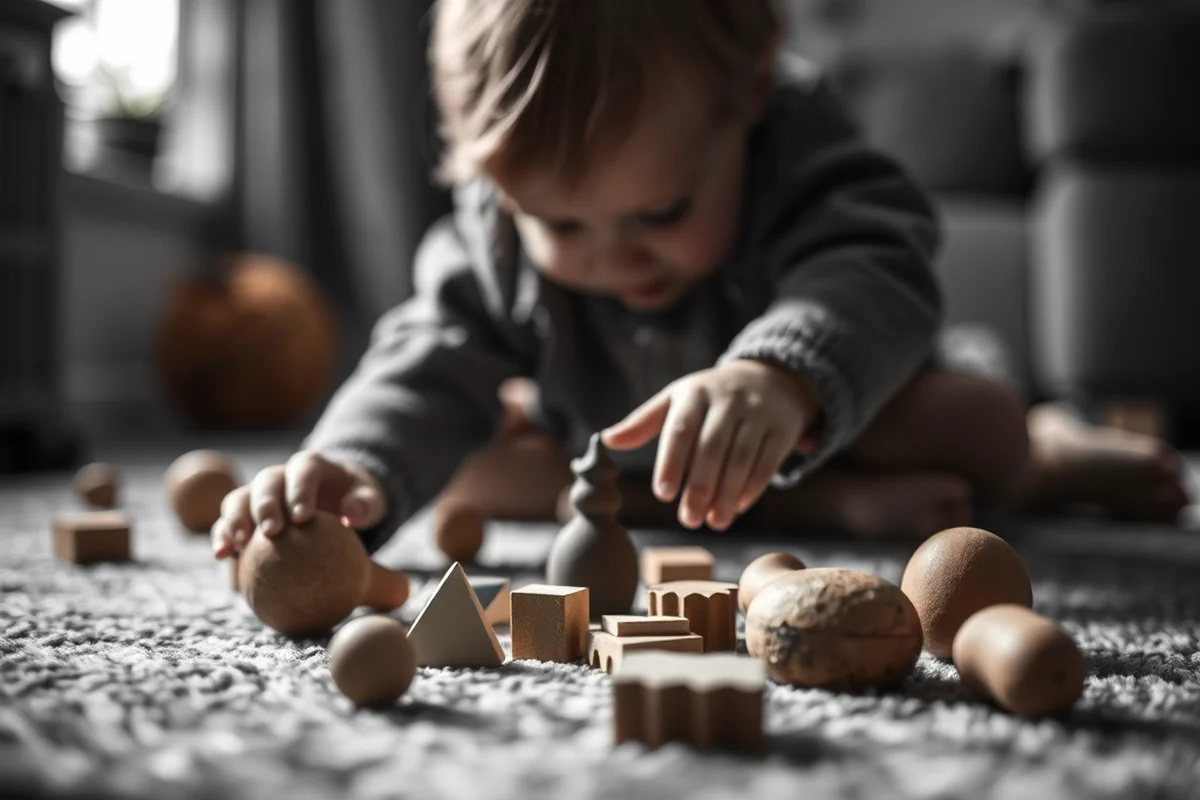
The first time my daughter pointed out a ‘butterfly bug’ on the sidewalk, I knew that our nature journaling was becoming a shared adventure. She didn’t know the scientific name, but she had a name of her own, and that was enough. We drew the bug in the dirt, talked about what it might be eating, and created a ‘bug story’ together. This kind of discovery, even if it seems small, is powerful and builds a bond between parent and child.
During these moments, I try to stay present and let my child lead the way. If she wants to trace the shape of a leaf with her fingers, I do the same. If she wants to ‘paint’ a tree with mud, I hold the paper and let her explore. These sensory-rich interactions are where the real learning happens — and they often happen in the ‘messiest’ moments.
I’ve noticed that when I model curiosity and wonder, my daughter mirrors it. She’s more likely to ask questions, make observations, and try to ‘help’ with the journaling process. This kind of shared learning becomes the foundation for a lifelong love of nature.
Nature journaling with toddlers is not about the result — it's about the journey of discovery together.
Related: Cheap toddler loves nature
Related: Toddler loves nature alternatives
Related: Types of toddler songs about nature
Related: Types of toddler nature crafts
The Art of Letting Go in Nature Journaling
There was a time when I would get frustrated if my daughter didn’t ‘stick to the lines’ in her nature drawings. One day, I realized that her version of a tree — with wiggly lines and mismatched colors — was more authentic and expressive than mine. Letting go of the need for perfection allowed me to enjoy the process of creating with her, rather than correcting her.
I’ve learned that the best way to engage my daughter in nature journaling is to let her lead the way. If she wants to ‘draw’ with leaves, I help her press the leaf into the paper. If she wants to ‘write’ with her hands, I encourage her to make her own symbols. These moments of ‘mess’ become opportunities for connection and creativity.
Letting go of control also means being okay with the mess. When my daughter once made a ‘mud painting’ on the kitchen table, I didn’t scold her. Instead, I helped her clean it up and said, ‘That was a beautiful painting. We can do it again tomorrow if you want.’ This approach builds a sense of safety and trust in the nature journaling process.
Allow your toddler to explore freely with natural materials. Don’t worry about keeping things clean — the mess is part of the learning. Afterward, clean up together and talk about what they learned from the ‘mess.’
“When my daughter, then two years old, tried to ‘help’ me by picking up a leaf and placing it in my coffee mug, I laughed…”— Toddler Nature Journaling Themes editors
Related: Types of nature themed toddler room
The Joy of ‘Not Knowing’ in Nature Journaling
One of my favorite moments was when my daughter asked, ‘What’s that cloud doing, Mama?’ I didn’t know the answer. Instead of guessing, I said, ‘I don’t know, but that’s a great question. Let’s find out together.’ This approach not only builds curiosity, but also models the idea that it’s okay not to know everything — especially in the natural world.
I’ve found that when I don’t have the answers, my daughter is more engaged and curious. She’ll ask follow-up questions, like ‘Can it go to the moon?’ or ‘Why is it smiling?’ These moments of ‘not knowing’ become a shared adventure. They help build a sense of wonder and exploration.
This kind of openness also helps toddlers feel safe to ask any question, no matter how ‘silly’ it may seem. When I encourage them to explore the unknown, they learn that even the biggest questions — like ‘Why is the sky blue?’ — can be answered through observation and discovery.
Building a Nature Journaling Routine with Toddlers
We started our nature journaling routine with just 10 minutes a day. At first, my daughter would get distracted, but over time, she began to look forward to these moments. We now do our journaling every morning after breakfast, and it’s become a cherished part of our day. This consistency has helped her develop a habit of curiosity and exploration.[2]
I’ve found that the best way to build a routine is to make it flexible. Some days we go for a walk and journal outside, other days we do it inside with leaves and rocks. The key is to be consistent, even if the details change. This helps toddlers understand that nature journaling is something they can do anywhere, anytime.
Over time, our routine has become a source of comfort and connection. My daughter now knows that after breakfast, we’re going to look for something new in nature. This kind of predictability helps build a sense of security and excitement for the daily adventure.
The Role of Siblings in Nature Journaling
When my daughter’s older brother joined in our nature journaling, the experience changed completely. He brought his own perspective, asking questions like ‘Is that a dinosaur leaf?’ or ‘Can we draw a monster in the dirt?’ His involvement made the process more dynamic and engaging for both children.
I’ve noticed that when siblings are involved, they often help each other. My daughter will point out a ‘bug’ and my son will try to draw it, even though he’s still learning to hold a pencil. This kind of collaboration builds a sense of community and shared learning, which is especially valuable in toddler nature journaling.
Including siblings also means that the journaling process becomes more social. They’ll talk about their discoveries, share ideas, and even ‘help’ each other make mistakes. This kind of interaction not only deepens their connection with each other, but also with the natural world.
The Long-Term Benefits of Nature Journaling with Toddlers
Looking back, I can see how our nature journaling moments have shaped my daughter’s curiosity and sense of wonder. She now asks more questions, explores the world with her eyes wide open, and has a deep appreciation for the beauty of nature. These early experiences have created a strong foundation for a lifelong love of learning and discovery.
I’ve noticed that she’s more confident in her observations now. When we go for walks, she’ll point out things like ‘that tree looks like a giant’ or ‘that cloud is shaped like a cat.’ These moments of connection with the natural world are not just educational — they’re also deeply emotional and meaningful.
As she gets older, I know that these early experiences will help her develop a deeper understanding of the environment and the importance of preserving it. Nature journaling with toddlers is not just about the present — it’s also about building a future where curiosity and connection to the natural world are lifelong habits.
🌱 Gentle Nature Journaling
A slow, sensory-rich approach where the focus is on exploration rather than creation.
⚡ Fast-Track Nature Journaling
A quick and easy way to engage toddlers with nature journaling, even when time is limited.
✈️ Travel/away-from-home Nature Journaling
Tips for nature journaling with toddlers when you're on the go or away from home.
👯♀️ Nature Journaling with Multiples
A guide to engaging multiple toddlers in nature journaling at the same time.
🔄 Regression Reset Nature Journaling
A way to rekindle a love of nature journaling if your toddler has lost interest.
| The mistake | Why it happens | The fix |
|---|---|---|
| Focusing too much on the final product rather than the process. | This can create pressure and discourage toddlers from engaging with nature journaling in a natural, exploratory way. | Shift the focus to the experience itself — the joy of discovery, the sensory exploration, and the shared moments of wonder. |
| Correcting the toddler’s mistakes too quickly or harshly. | This can make them feel unsafe or embarrassed, which may discourage them from exploring and creating in the future. | Celebrate their mistakes as part of the learning process. Use them as opportunities for curiosity and creativity. |
| Not allowing the toddler to lead the journaling process. | This can make the experience feel forced or unnatural, which may reduce their engagement and enjoyment. | Let your toddler lead the way. Follow their interests and encourage them to explore and create at their own pace. |
| Using too many materials or tools that the toddler can’t manage. | This can overwhelm the toddler and make the experience feel too structured or complicated. | Keep it simple. Use natural materials like leaves, sticks, and stones, and let your toddler explore with their hands. |
Toddler Loves Nature Mistakes
Common Questions
How can I make nature journaling fun for my toddler?
What if my toddler doesn’t want to draw or write?
How can I keep my toddler engaged during nature journaling?
What if I don’t have time for regular nature journaling?
References
- FOSTER PARENT MANUAL - Georgia Department of Human Services (dhs.georgia.gov)
- Youth Sports Tips for Parents - Chico Area Recreation & Park District (chicorec.gov)
Cite this guide
Toddler Nature Journaling Themes (2026). Toddler Loves Nature Mistakes. https://naturemarks.com/toddler-loves-nature-mistakes/
Feel free to cite or share this guide.