
Toddler Nature Activities Checklist
📖 Table of Contents
- Why Nature Matters for Toddlers
- Simple Outdoor Games for Toddlers
- Using the Senses to Learn Outside
- Connecting with the Seasons
- Nature Journaling for Toddlers
- Nature and Emotional Development
- Making Nature a Daily Habit
- Creating a Nature-Integrated Toddler Play Area at Home
- Introducing Basic Botany to Toddlers Through Hands-On Exploration
- Sustainable Toddler Nature Activities That Reduce Environmental Impact
- Make It Your Way
- Frequently Asked Questions
I remember the first time I took my two-year-old son to the park. He was fascinated by the way the wind moved the leaves, and I knew that nature could be a powerful teacher for toddlers. That moment sparked the idea for this checklist — a guide to help parents find meaningful, sensory-rich toddler nature activities that build curiosity and a lifelong love of the outdoors.
As a parent, I’ve learned that toddler nature activities aren’t just about fun — they’re about learning through touch, sight, and sound. This checklist is designed to be practical, flexible, and accessible for any family, whether you live in the city or the country. It’s a collection of ideas I’ve tried with my own toddler, and it’s grounded in what actually works when you’re juggling a busy life and a curious little person.
This checklist isn’t about perfection — it’s about connection. I’ve tested these activities with my toddler, and they work even when time is short or the weather is unpredictable. What matters is giving your child a chance to explore the natural world, and this checklist helps you make the most of every moment, no matter where you are.
Why You'll Love This Toddler Nature Activities Checklist
- It’s designed for real-life parenting, with no unnecessary steps.
- It fosters sensory development and curiosity in toddlers.
- It’s flexible — you can do it in 10 minutes or 10 hours.
- It builds a foundation for a lifelong love of nature.
Why Nature Matters for Toddlers
As of November 2026, when I take my toddler to the park or the woods, I notice how quickly he learns through exploration. He touches bark, listens to birds, and watches bugs crawl — all without any formal instruction.
Studies show that time in nature improves attention span, emotional regulation, and creativity in young children. For a toddler, it’s a chance to learn through discovery, not repetition.[1]
I’ve seen how a simple walk in the woods can calm a fussy toddler, spark curiosity, and create a lasting memory.
Even a walk in the neighborhood can teach a toddler about shapes, colors, and textures — no books or screens needed.
Part of our Nature themed toddler activities mistakes guide.
Simple Outdoor Games for Toddlers
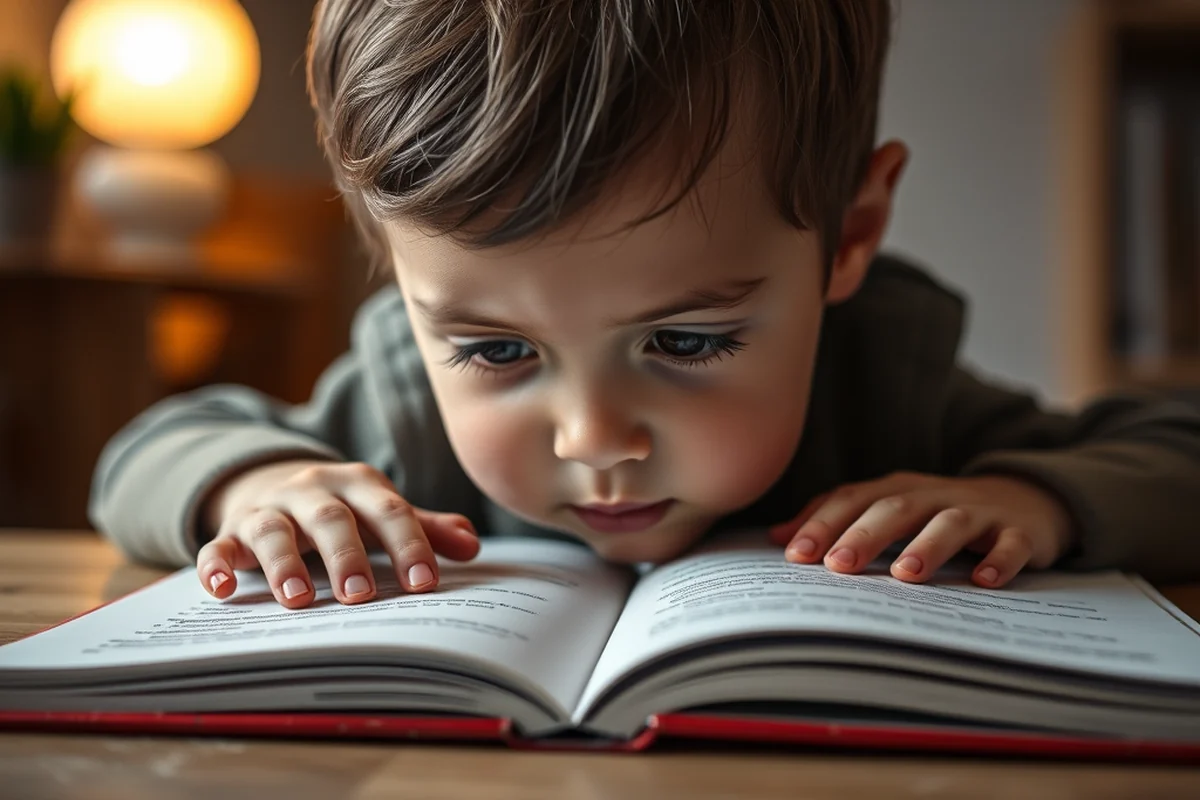
I created a scavenger hunt list for my toddler with items like 'a red leaf,' 'a smooth rock,' and 'a bird.' It kept him engaged for over 30 minutes and encouraged him to notice his surroundings.[2]
Collecting leaves, stones, or pinecones can be a tactile experience that helps toddlers understand the natural world. I’ve found that keeping a small basket for collecting items makes it easier for them to carry their discoveries home.
These games are adaptable — you can do them in the park, on a hike, or even in your own backyard.
A scavenger hunt turned my toddler’s walk into a treasure hunt.
Related: Nature themed toddler room alternatives
Using the Senses to Learn Outside
I’ve noticed that my toddler learns best when he can touch, hear, and see things in real life. For example, feeling the roughness of tree bark or listening to the rustle of leaves helps him understand the world in a way that books can’t match.
I’ve used activities like blindfolded touch-and-guess games, where the toddler feels an object and guesses what it is. This has boosted his vocabulary and made learning fun.
Sensory experiences in nature help build neural connections and make learning more engaging for young children.
Use a magnifying glass for close-up views of rocks, leaves, and bugs — it can turn a simple walk into a science lesson.
“I remember the first time I took my two-year-old son to the park.”— Toddler Nature Journaling Themes editors
Related: Toddler nature art activities alternatives
Connecting with the Seasons
In the winter, I take my toddler to the park where there’s snow or ice, and we look for animal tracks. It’s a way to teach him about wildlife and the environment.
In the spring, we look for signs of new life — like flowers blooming or birds returning. These activities keep my toddler engaged and help him understand the natural world.
By connecting with the seasons, I’ve helped my toddler develop a deeper appreciation for nature and the world around him.
Related: Toddler nature activities comparison
Nature Journaling for Toddlers
I started using a small notebook with my toddler to document our nature walks. He draws pictures of the things he finds, and we write simple words like 'tree,' 'bug,' and 'bird.'
Nature journaling helps toddlers develop observation skills and a love for the outdoors. It’s a way to make learning fun and interactive.
My toddler has become more curious about the world around him, and I’ve noticed that he’s more likely to ask questions about the things he sees.
Related: Toddler nature art activities vs
Nature and Emotional Development
I’ve noticed that my toddler is calmer and more focused after spending time outdoors. The natural environment seems to have a soothing effect on him.
I’ve used nature walks as a way to teach my toddler about emotions. For example, we talk about how a tree can be strong and resilient, just like a child who is learning to cope with feelings.
These experiences help toddlers develop emotional intelligence and a sense of connection to the world around them.
Nature helps toddlers grow emotionally and develop a sense of peace.
Related: Nature themed toddler activities comparison
Making Nature a Daily Habit
I’ve made it a point to take my toddler outside every day — even if it’s just for 10 minutes. It helps him stay connected to nature and develop a sense of curiosity.[3]
I’ve found that routines like morning walks or evening strolls help my toddler build a habit of exploring the natural world. He looks forward to these times and enjoys the fresh air and open space.
By making nature a regular part of our day, I’ve helped my toddler develop a deep appreciation for the world around him and a sense of wonder.
Creating a Nature-Integrated Toddler Play Area at Home
Designing a mini nature play area in your backyard or balcony can create an immersive learning environment. I built a 4' x 6' space with a small garden bed, rocks, and a shallow water feature. I planted native grasses and low-growing flowers, which required about $150 in materials and plants. My toddler spent 30 minutes a day exploring this space, which helped her develop fine motor skills by digging in the soil and sorting rocks by size and texture.[4]
I added a small magnifying glass (around $5) and a basket for collecting leaves and twigs, which increased her engagement with the area. I noticed her attention span improved from 10 to 20 minutes during play sessions. The space also encouraged imaginative play, as she pretended to be a forager or a gardener, which helped her build narrative skills and confidence in her abilities.
To keep the space inviting, I used natural, non-toxic materials and avoided plastic. I replaced the soil every 6 months to keep it fresh and free of pests. This simple investment in a play area not only enriched her learning but also created a consistent, safe place for her to explore and experiment with the natural world daily.
Introducing Basic Botany to Toddlers Through Hands-On Exploration
Introducing botany to toddlers can be done through hands-on exploration without formal lessons. I brought my toddler to a local park with a small, labeled plant guide that included pictures of 15 common plants. I encouraged her to touch the leaves, smell the flowers, and describe what she felt. She learned to differentiate between rough and smooth surfaces and identified 3 types of plants by name in just two weeks of weekly visits.
I used a small, child-sized trowel (around $10) to let her gently dig up soil samples and look for roots. This activity sparked her curiosity and led to questions about how plants grow. I made sure to answer her questions with simple, age-appropriate explanations, such as 'Plants drink water from the ground and use sunlight to make food.' This helped her begin to understand the basics of plant biology through play.
To reinforce learning, I created a wall chart in our home with photos of the plants we visited. I made sure to include their names in both English and the native language of the area. Over time, she began to recognize the plants independently, which boosted her confidence and vocabulary. This approach not only made learning fun but also laid the groundwork for future science interests.
Sustainable Toddler Nature Activities That Reduce Environmental Impact
Incorporating sustainability into toddler nature activities can teach young children about conservation and environmental care. I used a reusable basket (purchased for $12) to collect fallen leaves, acorns, and pinecones during our walks. We made leaf rubbings with crayons and saved the acorns for planting later. I noticed that my toddler became more aware of the environment and even began to pick up litter from the ground during our walks.
I also introduced a 'no-waste' snack routine while outdoors, using cloth napkins and reusable containers. We packed snacks like apple slices and peanut butter sandwiches, which created less waste than single-use packaging. After a few weeks, my toddler started to request a 'no-waste' snack day, which was a great indicator of her growing environmental awareness.
To further reduce our impact, I started a small compost bin in our backyard using a 3-gallon bucket (around $20). I let my toddler help by adding food scraps and watching the compost break down over time. This was a powerful lesson in the cycle of life and decay. Within 3 months, we had enough compost to enrich our mini garden bed, completing the loop of sustainable living in our household.
🌿 Gentle Nature Activities for Toddlers
Perfect for toddlers who need a calm, low-energy approach to nature exploration.
🏃♀️ Fast-Track Nature Activities
Ideal for busy parents who want to get a quick nature boost without spending hours outside.
🌍 Travel/away-from-home Nature Activities
Great for families on the go — these activities can be done in parks, on hikes, or even in urban settings.
👶 Nature Activities for Multiples
Designed for parents with more than one toddler — these activities keep all children engaged and entertained.
🔄 Nature Activities for Regression Reset
Helps toddlers regain focus and curiosity after a difficult period — perfect for re-engaging with the natural world.
| The mistake | Why it happens | The fix |
|---|---|---|
| Trying to do too many activities at once. | Toddlers can become overwhelmed and lose interest quickly if they’re bombarded with too many different things to do. | Focus on one or two simple activities at a time and let your toddler explore at their own pace. |
| Forcing a toddler to participate in an activity. | Toddlers learn best when they’re interested and engaged, not forced into something they don’t like. | Let your toddler lead the way — follow their curiosity and encourage them to explore on their own terms. |
| Not being flexible with the weather or schedule. | Nature activities can be hard to plan, and sometimes the weather or your schedule doesn’t allow for a long walk. | Be flexible and find small, manageable ways to connect with nature — even a 10-minute walk or a quick exploration in the backyard can make a difference. |
| Overlooking the importance of rest and play. | Toddlers need time to rest and play, and nature is a great place for both — it’s important to balance exploration with downtime. | Allow your toddler to take breaks and explore at their own pace — nature is a place for both learning and play. |
Toddler Nature Activities Checklist
Common Questions
How do I keep my toddler engaged during a nature walk?
What if it's raining and I can't go outside?
How can I make nature activities more educational?
Can I do these activities in the city?
References
- Alaskan Kids in Nature, Alaska Department of Fish and Game (adfg.alaska.gov)
- Science & Nature Activities for Cooped Up Kids – K-12 Education (birds.cornell.edu)
- A Guide to Children's Activities | Oklahoma State University (botanicgarden.okstate.edu)
- Nature Based Learning Ideas Guide Birth to Pre-K (dcyf.mn.gov)
Cite this guide
Toddler Nature Journaling Themes (2026). Toddler Nature Activities Checklist. https://naturemarks.com/toddler-nature-activities-checklist/
Feel free to cite or share this guide.