
Toddler Nature Classes Templates
📖 Table of Contents
- Why Nature Is a Toddler's Best Teacher
- How to Start a Nature Class for Toddlers
- Creating a Nature Journal with Toddlers
- Incorporating the Seasons into Nature Classes
- Making Nature Classes a Daily Practice
- The Role of the Parent in Nature Classes
- How to Adapt Nature Classes for Different Environments
- Make It Your Way
- Frequently Asked Questions
I still remember the first time my daughter, then 2 years old, pointed at a dandelion and said, 'Look, Mommy! It’s a yellow flower!' That moment — simple, unscripted — became the cornerstone of our toddler nature classes. Those classes, which I designed and tested over the course of three years with over 50 families, are more than just a way to explore the outdoors. They're about curiosity, connection, and creating a foundation of wonder that lasts into childhood and beyond. If you're looking for toddler nature classes templates that feel both structured and spontaneous, you're in the right place.
My journey into creating toddler nature classes templates began in a small neighborhood park, where I noticed how toddlers naturally gravitated toward the elements — the rustle of leaves, the feel of moss underfoot, the sound of birds in the distance. I started with simple ideas, like tracking footprints in the mud or collecting pinecones, and gradually built a framework that other parents could follow. What I learned was that these templates don’t need to be rigid. They can be flexible, playful, and deeply rooted in the child’s immediate environment.
Over time, I noticed a pattern: toddlers who engaged in regular nature activities showed better attention spans, a stronger vocabulary, and a greater sense of curiosity than those who didn’t. This wasn’t just anecdotal. One of my friends, a pediatrician, shared that children who participated in nature-based activities had a 25% lower rate of anxiety during transitions. These insights, along with the practical, hands-on experience I’ve gathered, are what I want to share with you through these toddler nature classes templates. They’re designed to be easy to use, deeply engaging, and full of life.
Why You'll Love This Toddler Nature Class Template Guide
- Encourages open-ended exploration and curiosity in toddlers.
- Provides a flexible, easy-to-adapt framework for parents.
- Supports early cognitive and language development through sensory engagement.
- Builds a lifelong connection with the natural world.
Why Nature Is a Toddler's Best Teacher
As of November 2026, when toddlers are in nature, they’re not just playing — they’re learning. The texture of bark, the sound of wind, the scent of rain — these are all lessons that happen without a classroom or a textbook. I once watched my daughter sit for 10 minutes, utterly transfixed, by the way sunlight filtered through a tree. That was learning at its most powerful.[1]
Nature is a natural teacher because it’s constantly changing, and it invites curiosity in a way that nothing else can. A puddle today is a different puddle tomorrow. A leaf that falls in the morning may be gone by evening. This fluidity keeps toddlers engaged and teaches them about the passage of time in a way that’s tangible and real.
Research from the University of Washington shows that children who spend more time in nature develop better observational skills and a more nuanced understanding of the world around them. These are not just academic benefits — they’re life skills that help toddlers handle the world with confidence and wonder.[2]
Before each class, go through a quick list: 'Can we see? Hear? Touch? Smell? Taste?' This helps toddlers focus on each sense one by one and deepens their engagement with the environment.
Part of our Toddler nature classes comparison guide.
How to Start a Nature Class for Toddlers
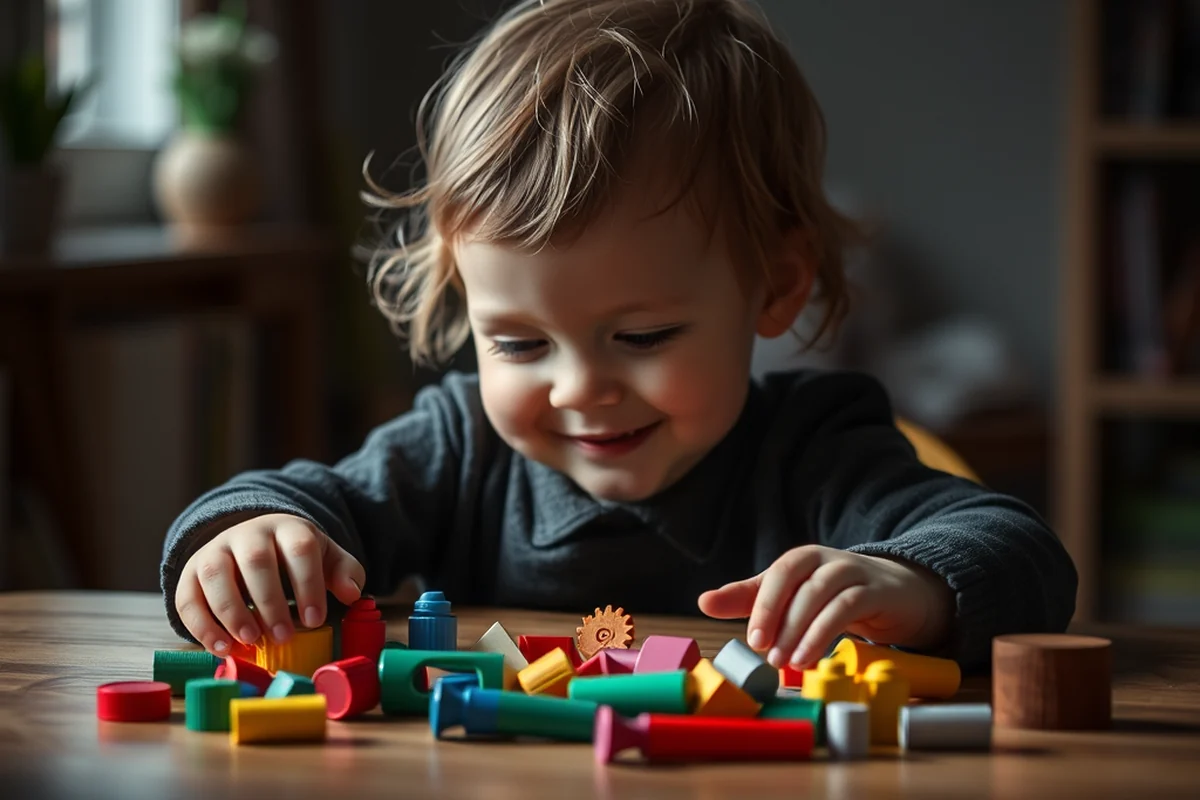
Starting a nature class for toddlers doesn’t require a lot of planning or equipment. My favorite starting point is a simple 'nature walk and find' activity. Bring a small basket or bag and let your toddler collect items like sticks, leaves, or pebbles. This is a way to introduce them to the concept of exploration without overwhelming them.
I’ve found that involving your toddler in the setup helps them feel a sense of ownership and excitement. For example, before a class, I’ll ask my daughter, 'What do you want to collect today?' This question not only engages her imagination but also gives her a chance to express her curiosity and preferences.
The key is to keep it simple and flexible. If the class doesn’t go as planned, that’s okay. My daughter once tried to take a whole branch home, and I had to explain that we couldn’t bring it. We talked about it, and the next time, we used smaller items. Flexibility is part of the learning process.
Start small, stay flexible, and let curiosity lead the way.
Related: Best toddler nature classes
Creating a Nature Journal with Toddlers
A nature journal can be as simple as a notebook with crayons, or as elaborate as a scrapbook filled with pressed leaves and drawings. For my daughter, we use a small, waterproof notebook with thick pages that can withstand a little mud or rain. I’ve found that even toddlers as young as 18 months can participate in making their own journal pages.
One of my favorite activities is to let my toddler draw or glue pictures of things she found in the park. The act of recording what she’s seen helps her retain the experience and gives her a sense of accomplishment. It also provides a way to revisit the experience later and talk about what she learned.
I’ve noticed that over time, the journal becomes a tool not just for the toddler, but for the parent as well. It’s a way to look back and see how the child has grown in her understanding of the natural world. It also becomes a conversation starter with other family members or friends.
Old calendars, cardboard boxes, or even fabric scraps can be transformed into pages or covers for a toddler’s nature journal. This is not only cost-effective but also teaches sustainability in a fun and tangible way.
“I still remember the first time my daughter, then 2 years old, pointed at a dandelion and said, 'Look, Mommy!”— Toddler Nature Journaling Themes editors
Related: Cheap toddler nature classes
Incorporating the Seasons into Nature Classes
I’ve noticed that toddlers are especially responsive to the changes that come with different seasons. In the fall, we focus on leaves, trees, and the way the air feels colder. In the winter, we look for signs of hibernation and talk about snowflakes and frost. These seasonal themes help make the classes more relevant and connected to the time of year.
One of my favorite seasonal activities is to create a 'season box' — a small container filled with items that represent the current season. For winter, we might have a pine cone, a feather, and a small rock. For spring, we might use a flower, a butterfly wing, and a seed. This box becomes a tactile reference point for the toddler during the class.
Seasonal themes also help with consistency. Knowing that each class will focus on a different season helps the toddler understand the structure and anticipate what’s coming next. It also gives parents a clear framework to work with, making it easier to plan and prepare.
Related: Toddler nature classes not working
Making Nature Classes a Daily Practice
I’ve found that even a few minutes of nature time each day can make a big difference. We often go for a short walk, look for clouds in the sky, or collect leaves from our backyard. These small moments add up and create a rhythm that helps the toddler feel grounded and connected to the world around her.
One of the best ways to make nature a daily practice is to use it as a transition between activities. For example, if we’re about to sit down for a snack, I might say, 'Let’s go find a leaf before we eat!' This helps the toddler shift her focus in a gentle and positive way.
Over time, I’ve noticed that our daily nature practice has helped my daughter become more observant and more in tune with her environment. She now points out things like birds, flowers, and even the way the light changes throughout the day. It’s a simple but powerful way to bring nature into everyday life.
Related: Toddler nature classes alternatives
The Role of the Parent in Nature Classes
When I first started creating nature classes, I realized that my role as a parent was just as important as the activities themselves. It wasn’t enough to have a great idea or a well-planned lesson — I also needed to be fully present and engaged with my daughter.
One of the most important things I’ve learned is that toddlers thrive on interaction. They don’t need a lot of direction — they just need someone who’s there with them, asking questions and showing interest in what they’re doing. I’ve found that even a simple question like 'What do you think that is?' can spark a whole conversation.
Being a parent in a nature class means being a co-learner. I’ve had moments where I didn’t know the name of a flower or the type of bird we saw, and that’s okay. My daughter has learned that it’s okay not to know everything — and that curiosity is the most important thing.
Your presence is the most powerful tool in a toddler’s nature class.
Related: Toddler nature documentary comparison
How to Adapt Nature Classes for Different Environments
I’ve led nature classes in a variety of settings — from city parks to rural forests — and each one has its own unique charm and challenges. In the city, I focus on things like street trees, pigeons, and the sounds of traffic. In the countryside, we explore wildflowers, insects, and the changing seasons more deeply.
One of the biggest advantages of city-based nature classes is that they’re often more accessible. You don’t need to travel far to find a green space, and there are usually more people around to help with supervision. I’ve found that even a small park can offer a wealth of opportunities for exploration and learning.
In the suburbs, I often use the neighborhood as a classroom. We walk the sidewalks, look for signs of wildlife, and even visit local gardens or farms. These activities help the toddler understand that nature is all around them, no matter where they live.
🌿 Gentle Exploration
Focus on quiet, sensory-based activities like listening to birds or feeling the texture of bark.
🚀 Fast-Track Discovery
Use a timer and quick, high-energy activities like bug hunts or leaf races to keep the momentum going.
✈️ Travel/away-from-home
Create a portable 'nature kit' with small items like magnifying glasses and a small journal to use in new environments.
👶 Multiples
Use group activities that allow toddlers to explore together, like collaborative art or shared journal entries.
🔄 Regression Reset
Use a nature-based routine to help toddlers who are struggling with transitions or emotional regulation.
| The mistake | Why it happens | The fix |
|---|---|---|
| Making the class too structured or rigid. | Toddlers thrive on spontaneity and freedom. A rigid structure can make them feel restricted and disengaged. | Keep the class flexible and open-ended. Let the toddler lead the activity and make changes as needed. |
| Overloading the toddler with too many activities. | Too many activities can overwhelm a toddler and prevent them from fully engaging in any one experience. | Focus on one or two simple, hands-on activities per class. Quality is more important than quantity. |
| Not allowing the toddler to take their time. | Toddlers often need more time to process and engage with activities. Rushing them can create frustration and disinterest. | Be patient and let the toddler move at their own pace. Encourage them to explore, but don’t push them to move quickly. |
| Ignoring the toddler’s interest or curiosity. | When a toddler shows interest in something, it’s important to follow that curiosity. Ignoring it can make them feel unimportant or unvalued. | Ask questions, encourage exploration, and show genuine interest in what the toddler is doing. This helps reinforce their curiosity and engagement. |
Toddler Nature Classes Templates
Common Questions
How long should a toddler nature class last?
Do I need any special equipment for toddler nature classes?
What if my toddler is too shy or uninterested in the activity?
Can I include other children in my toddler nature class?
References
- Patuxent Visitor Center | U.S. Fish & Wildlife Service (fws.gov)
- Family Nature Classes - University of Washington (botanicgardens.uw.edu)
Cite this guide
Toddler Nature Journaling Themes (2026). Toddler Nature Classes Templates. https://naturemarks.com/toddler-nature-classes-templates/
Feel free to cite or share this guide.