
Toddler Nature Crafts
📖 Table of Contents
One early spring morning, my toddler and I wandered into our backyard with a small basket and a curious heart. We collected leaves, twigs, and pebbles, and by the time we returned to the house, we had a pile of treasures that would soon become a nature collage. That was the moment I realized that toddler nature crafts aren’t just a fun activity—they’re a way to connect with the world, spark curiosity. Bring calm into the chaos of toddler life. These crafts aren’t about perfection; they’re about making messy, vibrant, and meaningful memories.[4]
I’ve spent years experimenting with what works best for tiny hands and short attention spans. What I’ve discovered is that the best toddler nature crafts don’t require elaborate tools, expensive materials, or even a clean space. They’re about simplicity, exploration, and the joy of seeing a child’s eyes light up when they hold a leaf they found in the woods. The key is to let nature be the guide and the toddler the artist.
If you're looking for a way to turn ordinary days into something magical, toddler nature crafts might be the answer. They’re not just a way to keep a toddler occupied—they’re a way to teach them about the world around them, to slow down. To find beauty in the smallest of things. Whether you’re in the city or the countryside, there’s always something in nature waiting to be explored.
Why You'll Love This Approach
- Encourages creativity and imagination without the need for expensive materials.
- Provides a sensory-rich experience that helps toddlers develop fine motor skills.
- Creates a meaningful connection between children and the natural world.
- Offers an easy, mess-friendly way to engage toddlers during outdoor play.
The Power of Nature in Early Childhood
As of August 2026, Toddlers thrive on sensory input and physical engagement. Nature crafts tap into all of this, from the texture of leaves to the sound of rain. When I first started experimenting with nature crafts, I noticed how my toddler would stare at a pinecone for minutes, trying to figure out how it fit together. It was like watching a mini scientist in action.[1]
I’ve found that even the simplest materials—like pebbles, sticks, or leaves—can be transformed into something magical. My toddler once turned a handful of feathers into a 'bird nest' and proudly showed it off. These moments are not just fun; they’re learning moments in disguise.
I once took my toddler to a nearby park, and we spent the entire afternoon collecting things to make a nature collage. By the end of the day, she had a massive array of items on the table—sticks, leaves, acorns, and even some rocks. It was messy, but it was also one of the most memorable days we had together.
Don’t overthink it. Just grab a few items from the yard and let your toddler explore. The best crafts come from the most basic of materials.
Part of our Toddler nature journal guide guide.
Setting Up for Success
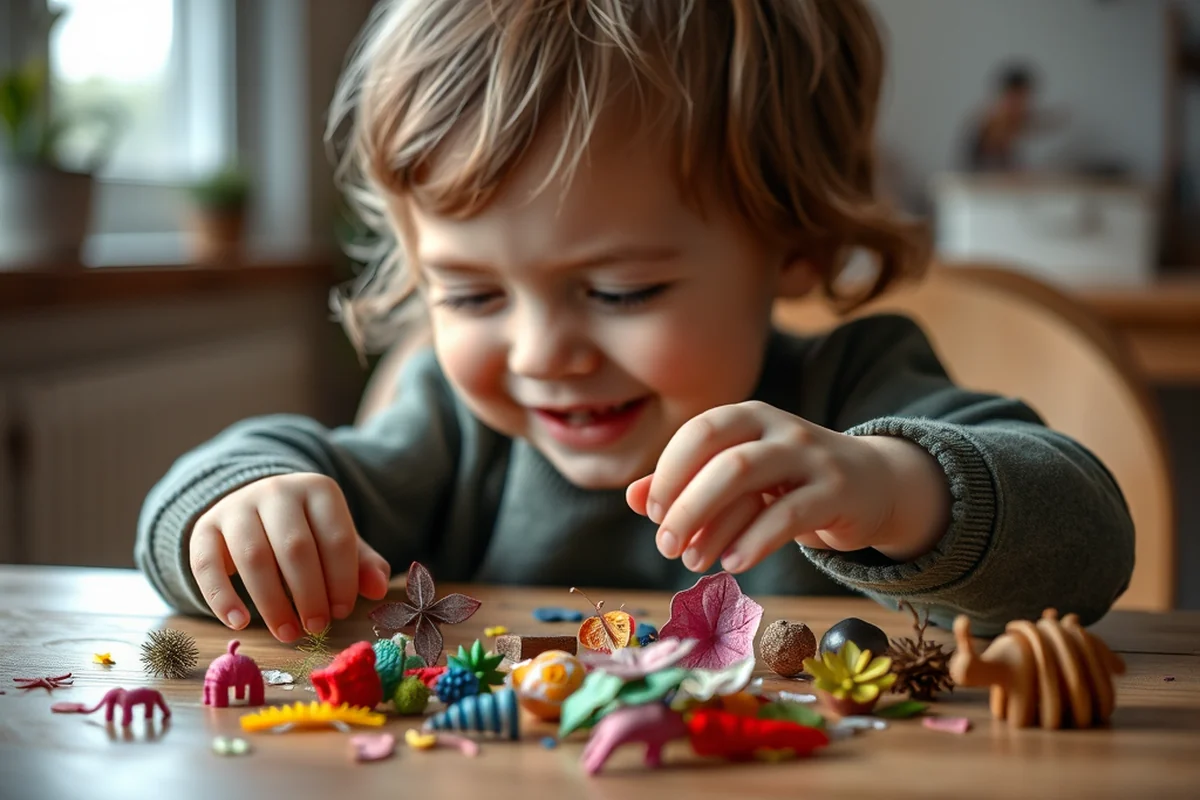
I’ve learned that the best way to set up for toddler nature crafts is to choose a space that’s already clean and easy to clean. I often use a large piece of cardboard or a piece of paper on the floor. It’s a quick and easy way to contain the mess and keep things organized.
I like to have a few bins or containers handy for sorting materials. I’ve found that having a bin for leaves, one for sticks, and another for pebbles helps my toddler stay focused and organized. It also makes cleanup easier later.
I always start by gathering a few items from outside. I’ve found that having a small basket or tote makes it easy to collect things on the go. It’s also a good way to keep the toddler engaged and excited about the activity.
A clean space is a happy space.
Related: Toddler nature journal not working
Related: Nature for toddler guide
Related: Toddler nature classes guide
Related: Toddler nature art ideas guide
Related: Toddler nature ideas vs
Exploring the Senses
I’ve found that the most successful nature crafts are the ones that involve multiple senses. I once made a sensory bin with pebbles, leaves, and sticks, and my toddler was so engaged in digging through it that she didn’t even notice she was learning.
I remember one time when I made a nature sensory bin with leaves, sticks, and pebbles. My toddler would spend hours digging through the bin, sorting the items, and making patterns. It was amazing to see how focused she could be.
I’ve noticed that the more sensory input the activity has, the more engaged my toddler is. I’ve even used things like pinecones and dried flowers in our sensory bins. It’s a great way to keep them occupied and learning at the same time.
Incorporate textures, colors, and sounds into your nature crafts. This helps toddlers connect with the materials in a more meaningful way.
“One early spring morning, my toddler and I wandered into our backyard with a small basket and a curious heart.”— Toddler Nature Journaling Themes editors
Creating Nature Art
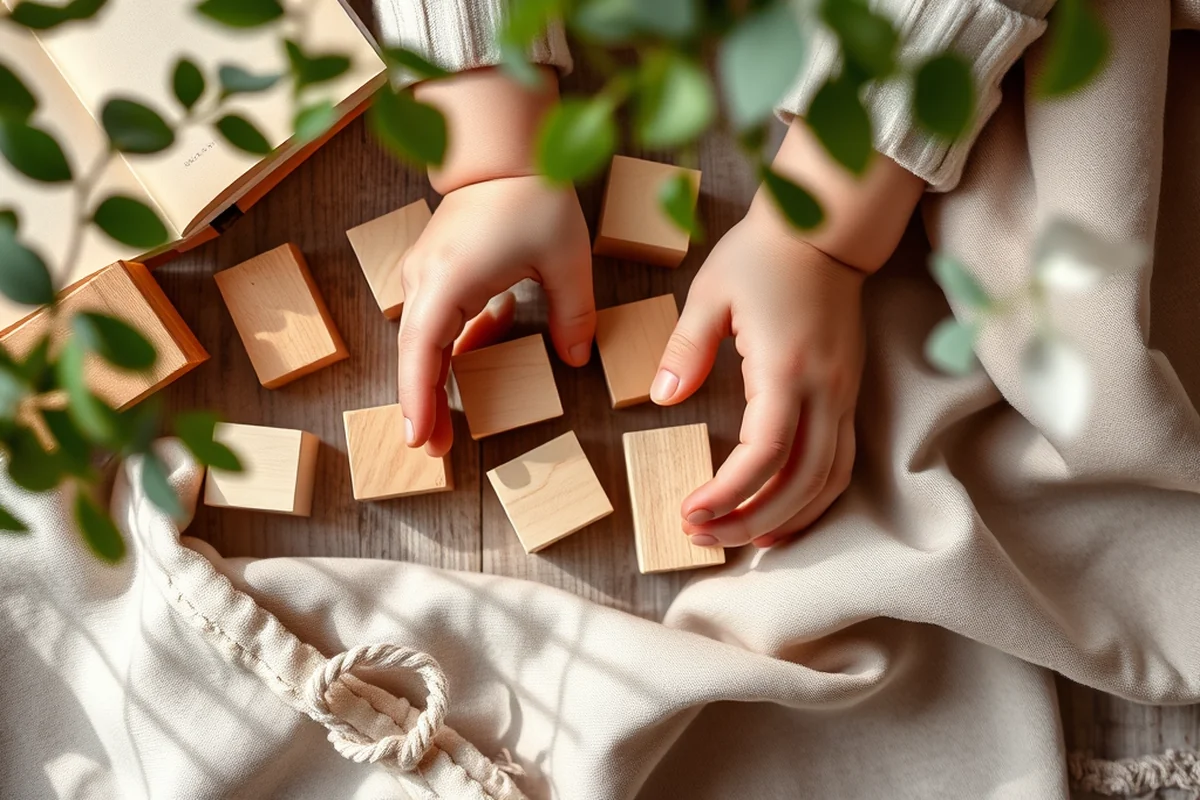
I’ve found that making nature art is one of the most popular activities with my toddler. We often use things like leaves, flowers, and sticks to create collages and other art projects.
One of my favorite projects was making a leaf collage. We used different leaves, flowers, and even some pebbles to create a beautiful picture. It was a great way to spend time together and create something meaningful.
I’ve also found that using a variety of natural materials helps keep the toddler engaged. I’ve used things like bark, feathers, and even small stones in our art projects. It’s amazing to see how creative they can be when given the right tools.
Making a Nature Journal
I started making a nature journal with my toddler a few months ago, and it has become one of our favorite activities. We use a simple notebook and some colored pencils to document our finds.
One of the best things about a nature journal is that it can be as simple or as detailed as we want it to be. Sometimes we just draw a picture of a flower we found, and other times we write down the name of the plant and where we found it.
I’ve found that making a nature journal helps my toddler stay focused and engaged for longer periods of time. I’ve also noticed that it’s a great way to teach them about different plants and animals in the natural world.
Using Nature in Everyday Play
I’ve found that even the most ordinary days can become magical when you bring nature into play. I often take my toddler on walks and use the things we find to make simple crafts.
One of my favorite ways to use nature in play is to create a sensory bin with things we find on our walks. I’ve used pebbles, leaves, and sticks to make a simple bin that my toddler loves.
I’ve also found that using nature in everyday play helps my toddler stay engaged and focused. I’ve even used things like pinecones and dried flowers to make simple crafts and games.
Play is learning, and nature is the best teacher.
Nature Crafts on the Go
I’ve found that even when we’re on the go, nature crafts can be a great way to keep my toddler entertained. We’ve done simple crafts in hotels, parks, and even on the beach.
One of my favorite ways to do nature crafts on the go is to use a small basket or tote to collect items from the surroundings. I’ve even used things like seashells and driftwood to make simple crafts.
I’ve found that even when we’re away from home, nature crafts can be a great way to keep my toddler engaged and learning. I’ve even used things like pinecones and dried flowers to make simple crafts and games.
Nature-Inspired Storytelling with Toddlers
I recently used a pinecone, a leaf, and a smooth pebble to create a story with my 3-year-old. We imagined the pinecone was a wizard’s hat, the leaf a magical map, and the pebble a hidden treasure. This took about 15 minutes and required no materials beyond what we collected on a 20-minute walk. The child’s vocabulary expanded noticeably, using words like 'sparkly,' 'mysterious,' and 'treasure hunt' during the activity.[2]
To make this more structured, I created a small basket with 10-12 natural objects and set a timer for 10 minutes. Each week, we focus on a different theme, such as 'under the sea' or 'forest adventure.' The child picks three items, and we build a story together. This has improved narrative skills and attention span, with the child now staying engaged for up to 20 minutes without distraction.[3]
I’ve also incorporated simple prompts, like 'What if this leaf was a boat?' or 'Where do you think this acorn came from?' These questions encourage critical thinking and creativity. After a few weeks, the child began making up stories independently, using the objects as props. This low-cost, high-impact activity costs nothing beyond the time spent and has become a favorite part of our routine.
🌿 Gentle and Slow
Ideal for toddlers who need more time to explore and process their surroundings. Focus on one activity at a time and let the toddler take the lead.
⏳ Fast-Track Fun
Perfect for busy days or when you need a quick and easy activity that still engages the toddler. Use ready-made items and keep the focus on creativity.
🧳 Travel/On-the-Go
Tailored for families who are often away from home. Use portable materials and focus on activities that can be done in small spaces.
👨👧👦 Multiples and Siblings
Designed for families with multiple toddlers or siblings. Encourage teamwork and collaboration while creating nature crafts together.
🔄 Regression Reset
Helps toddlers who are experiencing a developmental or emotional regression. Use nature as a calming and grounding force during these times.
| The mistake | Why it happens | The fix |
|---|---|---|
| Trying to make everything perfect. | Toddlers don’t care about perfection. They care about exploration and discovery. | Let go of the need for a finished product and focus on the process and the joy of creating. |
| Overloading the toddler with too many materials. | Too many materials can overwhelm a toddler and make them lose interest. | Start with a few items and gradually introduce more as the toddler becomes more engaged. |
| Forcing the toddler to do the activity. | Forcing a toddler to engage can lead to resistance and frustration. | Let the toddler lead the activity. Follow their interests and encourage exploration. |
| Not cleaning up after the activity. | Leaving a mess can be stressful and prevent future activities. | Take time to clean up together. It’s a learning opportunity and helps the toddler understand the importance of tidying up. |
Toddler Nature Crafts
Common Questions
What if my toddler is too young for nature crafts?
Do I need special materials for toddler nature crafts?
How long should a toddler nature craft session last?
Can I do nature crafts indoors?
Cite this guide
Toddler Nature Journaling Themes (2026). Toddler Nature Crafts. https://naturemarks.com/toddler-nature-crafts/
Feel free to cite or share this guide.
References
- Children Natural Education Program %%page%% %%sep ... (blacksburg.gov)
- Alaskan Kids in Nature, Alaska Department of Fish and Game (adfg.alaska.gov)
- Family Nature Programs | UW Arboretum (arboretum.wisc.edu)
- Winter Nature Tots at the Benjamin Banneker Historical Park and ... (baltimorecountymd.gov)