
Toddler Nature Program Templates
📖 Table of Contents
- How to Start a Nature Program with Your Toddler
- Why a Weekly Nature Program Works for Toddlers
- Tailoring Nature Programs to Your Child’s Interests
- The Power of Simple Nature Activities
- Creating a Nature Program Around the Seasons
- The Role of Nature in Building Emotional Resilience
- Incorporating Nature into Everyday Life
- Make It Your Way
- Frequently Asked Questions
I remember the first time my toddler, then just 22 months old, stopped to examine a fallen leaf on our walk through the park. She traced the edges with her fingers, tilted her head, and said, 'It’s like a picture.' That moment, simple and profound, became the spark for this article. It's about creating toddler nature program templates — structured, yet flexible ways to bring the outside world into your child's daily life. These templates are not just for walks in the woods; they're for backyard explorations, park visits, and even nature scavenger hunts in your own neighborhood. They help you create a rhythm of discovery and learning that fits your family's pace.
I designed these toddler nature program templates after months of testing and trial with my own children. Every parent knows that toddlers are like sponges, absorbing the world around them with intense curiosity and a short attention span. These templates are built around that reality, incorporating short, engaging activities that are as easy on your schedule as they are stimulating for your child. Whether you're a busy parent looking for quick nature-based learning moments or someone who wants to build a deeper connection with your child through the natural world, these templates are your starting point.
What makes toddler nature program templates so valuable is that they are adaptable. You can tailor them to your family's lifestyle, your child's interests, and your local environment. I’ve used them in urban parks, suburban backyards, and even during family road trips. The key is to keep things simple — a few well-chosen activities, a little time, and a lot of wonder. These templates help you turn ordinary moments into extraordinary learning opportunities, and they’re designed to make that process easy, meaningful, and fun.
Why You'll Love This Toddler Nature Program Template System
- It brings your toddler closer to the natural world in a structured, yet playful way.
- It requires minimal time and preparation, fitting seamlessly into even the busiest days.
- It encourages curiosity, observation, and hands-on learning through the lens of nature.
- It helps your child develop a lifelong appreciation for the environment.
How to Start a Nature Program with Your Toddler
As of October 2026, Starting a toddler nature program is easier than it sounds. Begin by setting aside a small chunk of time — even 15 minutes a day — for a dedicated nature activity. Choose a nearby park, backyard, or even a quiet corner of your home with plants. I’ve found that consistency is key; my toddler started showing a real interest in nature after we dedicated three days a week to our mini 'nature walks'.
I recommend starting with simple, sensory activities — like leaf rubbings, bug hunts, or exploring the textures of different plants. These activities are not only engaging for your toddler, but they also help them build vocabulary and observation skills. I’ve used a few items in my own programs: a small magnifying glass and a notebook for drawing — and that’s it. These tools are not required, but they make the experience more immersive and memorable.[1]
The beauty of these templates is that they’re flexible. If you’re on a road trip and find yourself in a new environment, you can adjust the template to fit the local landscape. I once turned a stop at a roadside nature reserve into a scavenger hunt with my toddler, and she was thrilled to find a new kind of tree and a butterfly. The template gave me the structure, and the environment provided the inspiration.
A simple magnifying glass can transform a child’s view of the world. My toddler would spend minutes looking at leaves, rocks, and bugs with it — it’s a small investment that makes a big impact.
Part of our How to toddler nature program guide.
Why a Weekly Nature Program Works for Toddlers
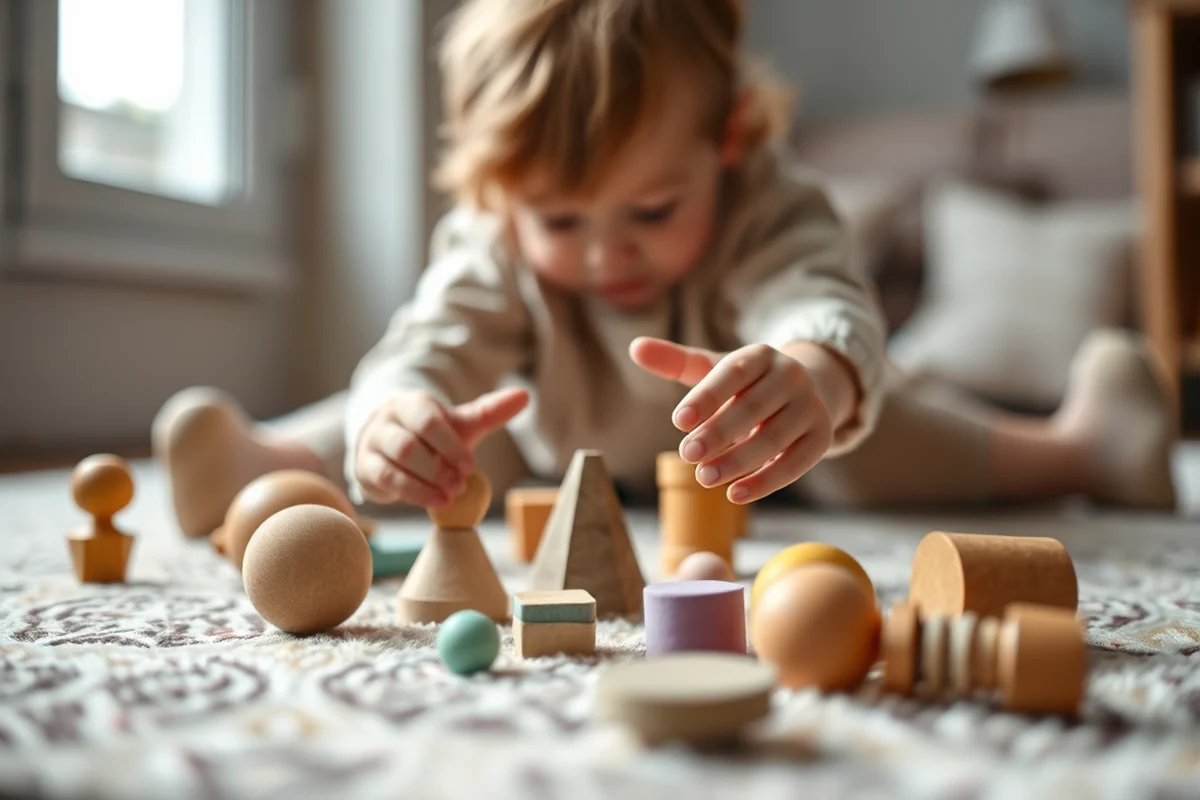
I designed my toddler nature program around a weekly rhythm, and it made a noticeable difference in my child’s behavior and attention span. I found that having a predictable time for nature activities helped my toddler feel more secure and excited about the routine. She looked forward to our 'nature day' every week, and it became a highlight of her week.
This structure also helped me stay consistent with my own parenting goals. I had a goal of incorporating more outdoor time into our lives, and the weekly nature program made that achievable without feeling overwhelming. I found that even if we could only do one activity each week — like a short hike or a visit to a local garden — it was enough to keep my toddler engaged and learning.
I’ve seen the benefits of this approach in my own family, and I believe it can work for any parent who’s willing to commit to even a small amount of time. The weekly rhythm helps toddlers build a connection with nature, and it sets the stage for deeper, more meaningful explorations as they grow.
Routine is the bridge to curiosity.
Related: How to toddler nature crafts
Tailoring Nature Programs to Your Child’s Interests
I’ve learned that the most successful toddler nature programs are the ones that align with your child’s natural interests. If your toddler loves bugs, then focus on activities that explore insects and spiders. If they enjoy water, try activities like puddle jumping or exploring the beach. I’ve seen how much more engaged my toddler is when we tailor our nature program around her interests.
I’ve used this principle in my own programs, and it’s made a significant difference. When my toddler was fascinated with birds, I spent several weeks observing different types of birds in our local park and even purchased a small field guide for her. She loved pointing out the birds and learning their names. This kind of customization helps your toddler see nature as a source of joy and discovery.
This approach also helps your child develop a personal connection with the natural world. When they’re allowed to explore and learn about the things they love, they’re more likely to form lasting memories and a deep appreciation for nature. It’s a small but powerful way to personalize their learning experience.
Keep a simple notebook or digital list of the things your toddler is interested in during nature time. This helps you plan activities that align with their curiosity and keeps the program engaging.
“I remember the first time my toddler, then just 22 months old, stopped to examine a fallen leaf on our walk through the park.”— Toddler Nature Journaling Themes editors
Related: Toddler nature program comparison
The Power of Simple Nature Activities

I’ve found that some of the most impactful nature activities for toddlers are the simplest ones. These can include things like collecting leaves, tracing their shapes, or using a magnifying glass to look at rocks and bugs. I’ve been amazed by how much my toddler has learned from these simple interactions with the natural world.
These activities don’t require any special equipment — just a few minutes of your time and a willingness to explore with your child. I’ve used a small notebook and pencil for my toddler to draw the things she finds, and I’ve even used a piece of paper and crayons to create leaf rubbings. These activities are not only fun, but they also help build fine motor skills and hand-eye coordination.
The simplicity of these activities makes them ideal for parents who are busy or new to nature-based learning. You don’t need to be an expert or have a ton of resources — just be present, curious, and engaged. The most important part of any toddler nature program is the connection between you and your child.
Related: Best toddler nature program
Creating a Nature Program Around the Seasons
I’ve used a seasonal approach to my toddler nature program, and it’s helped my child develop a deeper understanding of the natural world. By focusing on the changing seasons — from the vibrant colors of spring to the cool, crisp air of winter — I’ve been able to create a program that evolves with the environment around us.
I’ve made a point to incorporate activities that reflect the season we’re in. For example, in the spring, we focus on flowers, insects, and new growth. In the fall, we look for leaves changing colors and explore the harvest season. This approach helps my toddler see the natural world as a dynamic and ever-changing place.
I’ve noticed that my toddler is more engaged when the activities align with the season. She loves watching the leaves change in the fall and exploring the snow in the winter. This seasonal approach also helps your child develop an awareness of time and the cycles of nature, which is a valuable life skill.
Related: Top toddler nature program
The Role of Nature in Building Emotional Resilience
I’ve noticed that my toddler has grown more emotionally resilient since we started our nature program. Being in nature exposes children to different sensory experiences, weather conditions, and even small challenges like climbing over a fallen log or dealing with a messy puddle. These experiences help build emotional resilience and problem-solving skills.
Nature also provides a safe space for toddlers to explore their emotions. I’ve seen my toddler express joy, curiosity, and even frustration in nature — and it’s all part of the learning process. These natural settings allow them to process their emotions in a way that feels safe and connected to the world around them.
I believe that the emotional benefits of nature-based learning are just as important as the cognitive ones. When toddlers have the opportunity to explore and experience the world in a natural setting, they’re more likely to develop a sense of self, confidence, and emotional regulation. These are skills that will serve them throughout their lives.
Nature teaches toddlers how to navigate the world — and themselves.
Related: Affordable toddler nature program
Incorporating Nature into Everyday Life
I’ve found that the most sustainable toddler nature programs are the ones that seamlessly integrate nature into everyday life. This means finding ways to bring the outdoors into your home, whether through a small potted plant, a nature-themed book, or even a walk to the mailbox.
I’ve made a point to include nature in our daily routine, even when we’re not on a dedicated nature walk. For example, we take a short walk to the park on the way to daycare, or we stop by the garden to see the flowers as we go to the grocery store. These small moments add up and help my toddler stay connected to the natural world throughout the day.
This approach also makes it easier to maintain consistency in your nature program, even on busy days. When nature is a part of your daily life, it becomes a natural part of your toddler’s world — and that’s where the real learning begins.
🌱 Gentle Nature Program
Ideal for parents who want to ease into nature-based learning with short, low-effort activities that focus on sensory exploration.
⚡ Fast-Track Nature Program
For busy parents looking to incorporate nature quickly and efficiently, with pre-planned, high-impact activities that can be done in under 20 minutes.
✈️ Travel/away-from-home Nature Program
Perfect for families on the go, this variation includes nature activities that can be done in any environment, from parks to beaches to city streets.
👶 Multiples Nature Program
Tailored for parents with multiple toddlers, this variation includes activities that can be adapted for different ages and interests within the same family.
🔄 Regression Reset Nature Program
Designed for toddlers going through developmental or emotional changes, this program focuses on grounding, sensory-based activities that help them reconnect with the natural world.
| The mistake | Why it happens | The fix |
|---|---|---|
| Overcomplicating the program with too many activities. | Toddlers have short attention spans and may become overwhelmed if the program is too structured or complex. | Keep the program simple and focused on one or two core activities per session. Let your toddler lead the exploration and keep the experience playful. |
| Forcing nature into the program without considering your toddler’s interests. | If your toddler is not interested in nature, they may not engage with the program, making it less effective. | Tailor the program to your toddler’s natural interests. If they love water, focus on activities around puddles or lakes. If they like bugs, explore insects and spiders. |
| Trying to do too much in one session. | Trying to cover too much in one nature session can lead to burnout and disinterest in future sessions. | Keep each session focused on one or two activities. Allow your toddler to explore at their own pace and take breaks as needed. |
| Not being flexible with the program based on the environment. | Nature is ever-changing, and trying to stick to a rigid plan can limit your toddler’s experience. | Be flexible and adapt the program based on the environment and your toddler’s mood. If it’s raining, explore puddles. If it’s sunny, go to the park. |
Toddler Nature Program Templates
Common Questions
How long should a nature activity last for a toddler?
What if I don’t have access to a park or natural area near me?
What are some simple nature activities for toddlers under 2 years old?
How can I keep my toddler engaged during a nature activity?
References
- Designing Messy Play for Infants and Toddlers | HeadStart.gov (headstart.gov)
Cite this guide
Toddler Nature Journaling Themes (2026). Toddler Nature Program Templates. https://naturemarks.com/toddler-nature-program-templates/
Feel free to cite or share this guide.