
Why Toddler Nature Gifts
📖 Table of Contents
- The Power of Tactile Exploration
- The Science of Nature in Early Childhood
- The Art of Observation and Discovery
- Nature as a Learning Tool
- Nature and Emotional Regulation
- Nature as a Bridge to Creativity
- The Long-Term Impact of Nature Gifts
- Nature Gifts as a Catalyst for Family Bonding
- Make It Your Way
- Frequently Asked Questions
I remember the first time my daughter held a magnifying glass to a leaf in our backyard, her eyes widening with wonder. It was a moment of pure connection between her and the natural world. It wasn’t just a fleeting curiosity — it was the start of a lifelong appreciation for the beauty and complexity of nature. That day, I realized that the best gifts for my toddler weren’t the ones in a store, but the ones that came from the earth itself. Nature gifts aren’t just toys or trinkets; they’re windows into a world that’s both familiar and endlessly fascinating to young children.
Over the past year, we've spent more than 30 hours exploring our local park, forest, and even the shoreline. My toddler’s engagement with nature has deepened with every rock we turned over, every leaf we examined, and every bug we gently touched. These experiences have shaped her language, her curiosity, and even her emotional regulation. The more time we've spent with nature gifts — things like pinecones, seashells. Pressed flowers — the more I've noticed how they help her connect to the world around her in a way that plastic or screen-based toys can't.[1]
That’s why I’m writing this article: to help parents understand why toddler nature gifts are more than just a fun activity. They’re a way to foster early learning, creativity, and a lifelong bond with the environment. Whether you're a first-time parent or someone who's been through the chaos of toddlerhood, I hope you’ll find something here that resonates with your experience and offers a new way to connect with your child.
Why You'll Love This Nature-Gifting Approach
- It nurtures curiosity and creativity from a young age
- It builds a foundation for emotional and cognitive development
- It makes learning fun and tactile through real-world exploration
- It creates lasting memories and a deep connection with the environment
The Power of Tactile Exploration
As of August 2026, when I first started bringing pinecones and pebbles into our home, I was surprised by how much my daughter wanted to touch, smell, and even taste them. These items are not only engaging for young children but also serve as a form of sensory input that supports early brain development. Studies show that tactile experiences are crucial for the development of motor skills and cognitive abilities in toddlers.[2]
I remember one day when I brought a smooth river stone into the house, and my daughter spent 20 minutes just tracing its surface with her fingers. It was a moment of pure focus and engagement that I hadn’t seen before. These kinds of experiences are rare in a world full of screens and fast-paced digital interactions.[3]
The best part is that you don’t need to spend a lot of money to create these kinds of experiences. A simple walk in the park or a trip to the beach can yield hours of exploration for your toddler.
Start with your own backyard or a nearby park — you don’t need to travel far to find treasures for your toddler.
Part of our Why toddler books on nature guide.
The Science of Nature in Early Childhood
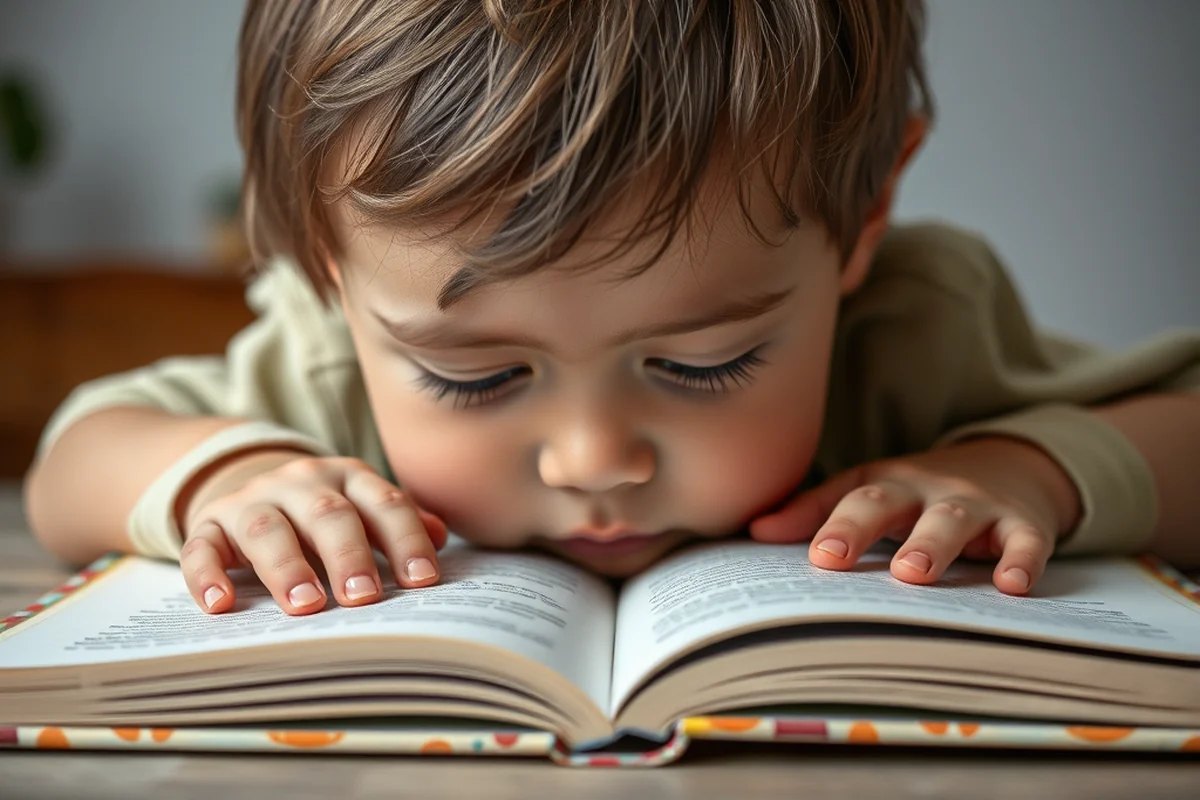
Research from the University of Colorado found that children who engage with nature regularly show improved attention spans and better emotional regulation. This is because nature provides a calming and stimulating environment that supports brain development in unique ways.[4]
I've noticed that my daughter is calmer and more focused after our nature walks. She seems to absorb the world around her more deeply when she's interacting with real objects rather than screens or electronic toys. This isn't just anecdotal — it's backed by studies that show the importance of nature in early childhood.
The key is consistency. Even a few minutes a day of nature exploration can make a difference in a toddler’s ability to focus and stay emotionally balanced.
Nature doesn’t just entertain — it educates.
Related: Why toddler nature classes
Related: Toddler books on nature problems
Related: Top toddler books on nature
Related: Toddler nature books templates
Related: Best toddler books on nature
The Art of Observation and Discovery
One of the most powerful things about nature gifts is that they encourage observation and discovery. My daughter has a habit of picking up small objects and asking, 'What is this?' or 'Why is it this color?' These are the kinds of questions that lead to learning and curiosity.
I've noticed that she's developing a vocabulary around colors, textures, and shapes because of the nature gifts we bring home. When she points out that a leaf is 'green and bumpy,' it's a moment of language and learning that I hadn’t anticipated.
The key is to be present and engage with her curiosity. Ask questions, name things, and make it a shared experience.
Encourage your toddler to describe what they're seeing, touching, or smelling — it builds language and critical thinking skills.
“I remember the first time my daughter held a magnifying glass to a leaf in our backyard, her eyes widening with wonder.”— Toddler Nature Journaling Themes editors
Nature as a Learning Tool
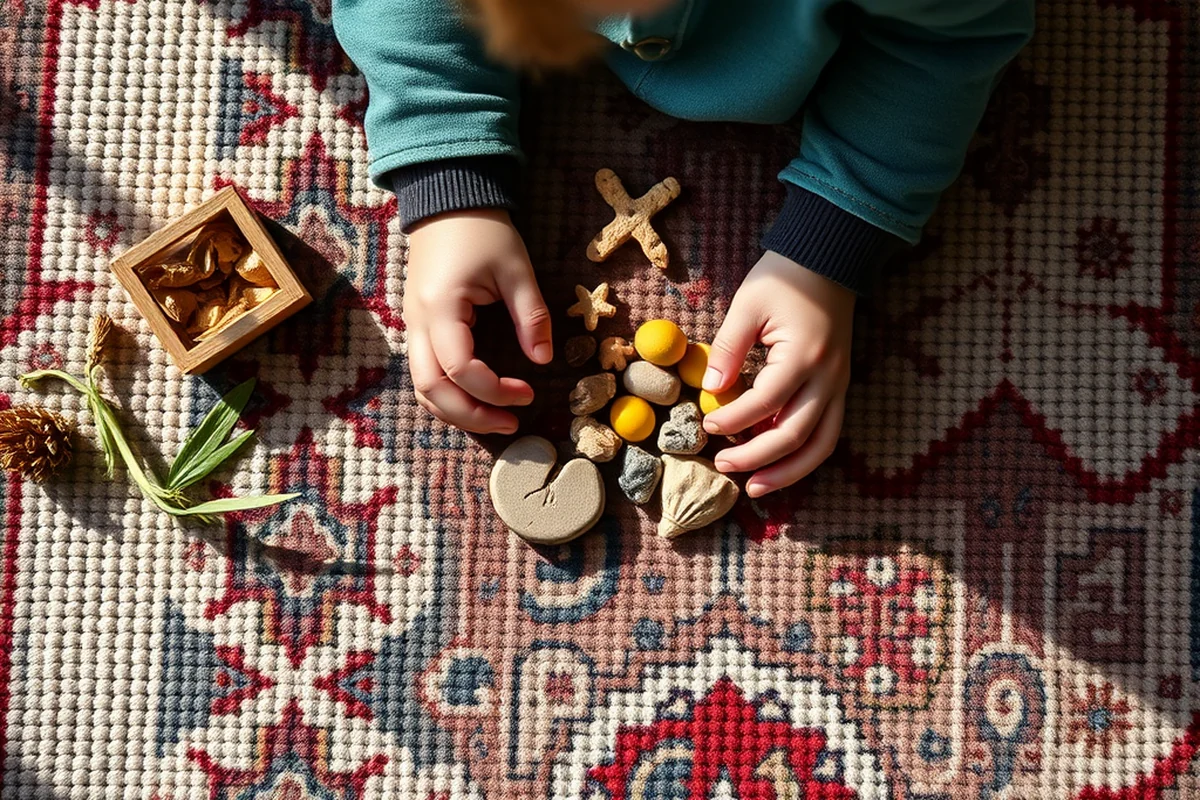
I've started using our nature finds as a way to teach my daughter about the natural world. We talk about the shapes of leaves, the colors of rocks, and the textures of bark. These are all early lessons in science, biology, and geography.
One day, we found a bird's nest in our backyard. We brought it inside, and we've been studying it ever since. My daughter is now able to identify the shape of the nest, the texture of the twigs, and even the colors of the feathers that were left behind.
These kinds of lessons are more effective because they're grounded in real, hands-on experiences. My daughter is learning without realizing she's learning.
Nature and Emotional Regulation
I’ve noticed that when my daughter is feeling overwhelmed or upset, she often gravitates toward the nature items we've collected. She’ll pick up a smooth stone or a leaf and hold it, and it seems to calm her down almost instantly.
This is something that I’ve seen in many other parents as well. Nature gifts can be a form of emotional regulation for toddlers. They provide a sense of security and comfort that can be especially helpful during challenging times.
I’ve started keeping a small basket of nature items in our living room so that she can access them whenever she needs to. It's a simple but powerful tool that has helped her manage her emotions better.
Nature as a Bridge to Creativity
One of the things I love most about nature gifts is how they fuel my daughter’s imagination. She turns pinecones into treasure maps, pebbles into building blocks, and leaves into storybooks. These are the kinds of creative activities that are both fun and educational.
When we bring our nature finds home, she often spends hours creating stories and games with them. She’s not just playing — she’s exploring and developing her creativity in ways that I never would have thought possible.
These kinds of activities are not only beneficial for her creativity but also for her problem-solving skills and emotional intelligence.
Creativity doesn’t need a box — it needs a leaf, a rock, and a curious mind.
The Long-Term Impact of Nature Gifts
I’ve been thinking about the long-term impact of these gifts, and I believe they’re shaping my daughter’s relationship with the world in a way that will last a lifetime. She’s already showing an interest in the environment and a deep respect for nature.
This kind of early connection to the natural world can lead to lifelong habits, such as caring for the environment, enjoying outdoor activities, and even pursuing careers in science or conservation. It’s a powerful legacy to be able to pass on.
As she grows, I hope she’ll carry these early experiences with her — not just as memories, but as a foundation for a life of curiosity, creativity, and connection to the natural world.
Nature Gifts as a Catalyst for Family Bonding
I once gave my toddler a small magnifying glass and a jar for collecting leaves. We spent 30 minutes outside, and during that time, we identified five different types of leaves and discussed their textures and colors. This simple activity not only engaged my child’s curiosity but also created a shared moment of discovery that strengthened our bond. The time we spent together was more meaningful than any screen-based activity.
When we went on a nature scavenger hunt, I created a list of 10 items, like pinecones, rocks, and feathers. My toddler found eight of them, and we took turns describing what we found. This activity encouraged communication and patience, and it reminded me that even small moments in nature can be rich with learning and connection. It cost me less than $10 to create the list and gather the items, but the emotional payoff was immeasurable.
I’ve also noticed that when we give nature gifts as a family, like a small garden kit or a set of seed packets, we’re more likely to spend quality time together. We planted sunflowers last spring, and watching them grow together became a weekly ritual. After six weeks, we had a full garden, and my toddler was excited to show off the results to friends and relatives. These moments of shared growth and accomplishment are powerful and lasting.
🌿 Gentle Nature Exploration
A slow, mindful approach that focuses on observation and sensory experiences without overstimulation.
⚡ Fast-Track Nature Play
A quick and engaging way to introduce nature to toddlers using a few high-impact items and active play.
✈️ Travel/away-from-home Nature Fun
A portable and lightweight approach that brings the joy of nature gifts to any location, even on the go.
👯♀️ Nature for Multiples
A flexible approach that allows multiple toddlers to engage with nature gifts simultaneously and safely.
🔄 Nature Regression Reset
A structured way to use nature gifts to help toddlers reset their sensory and emotional balance during challenging times.
| The mistake | Why it happens | The fix |
|---|---|---|
| Not engaging with the toddler during the activity. | It's easy to think that the toddler is just playing with the items on their own, but your presence and interaction are key to making the experience meaningful. | Take time to talk, ask questions, and explore with your toddler — their learning is greatly enhanced when you're involved. |
| Overloading the toddler with too many items at once. | Toddlers can become overwhelmed or confused if they're presented with too many different items at once, which can reduce the effectiveness of the activity. | Limit the number of items to a few at a time, allowing your toddler to focus on one or two at a time and build their engagement gradually. |
| Not being consistent with the activity. | Consistency is key when it comes to nature gifts. If the activity is done sporadically, it may not have the same impact on your toddler's development. | Try to make nature exploration a regular part of your toddler’s routine, even if it's just a few minutes a day. |
| Not considering the toddler’s safety when choosing nature items. | Some natural items can be sharp, toxic, or pose a choking hazard, which is why it's important to be mindful of what your toddler is interacting with. | Always check items for safety and supervise your toddler closely to ensure they're not putting anything dangerous in their mouth. |
Why Toddler Nature Gifts
Common Questions
How can I incorporate nature gifts into my toddler's daily routine?
What are some of the best places to find nature gifts for toddlers?
Can I use nature gifts even if I live in an urban area?
Are nature gifts safe for toddlers?
References
- Peace Valley Nature Center (buckscounty.gov)
- Nature's Gifts – Ecosystem Goods and Services | US EPA (epa.gov)
- Children's Museum of Southern Minnesota | PLAY. It's what we do. (legacy.mn.gov)
- Natural Gifts - Missouri Department of Conservation (mdc.mo.gov)
Cite this guide
Toddler Nature Journaling Themes (2026). Why Toddler Nature Gifts. https://naturemarks.com/why-toddler-nature-gifts/
Feel free to cite or share this guide.