Toddler Nature Classes Alternatives
📖 Table of Contents
- Nature Walks: The Simplest Alternative to Classes
- Backyard Nature: Learning in the Familiar
- DIY Nature Boxes: Creating a Portable Learning Tool
- Nature-Based Storytelling: A Creative Way to Engage Your Child
- Seasonal Nature Activities: Learning Through the Changing World
- Nature Playdates: Learning with Other Kids
- Nature Art: Expressing Creativity and Curiosity
- Make It Your Way
- Frequently Asked Questions
I remember the first time my 2-year-old daughter sat on a park bench and asked, 'Why do leaves change color?' I had no idea how to answer. I knew I wanted to find a way to explore the world with her — not just teach her about it. That's when I started looking for toddler nature classes. But after a few months of expensive, over-scheduled sessions, I realized something: nature doesn't need a class. It just needs a curious child and a parent who knows how to open the door. That's how I discovered toddler nature classes alternatives — and how my daughter's love for the natural world really took off.[3]
The idea of toddler nature classes seems appealing at first — structured, educational, and led by experts. But after trying a few, I noticed how expensive they were, how rigid the schedules were, and how much time they took away from our family life. I started to wonder: could I do this myself? Could I give my child the same kind of experience without the cost and the pressure? I set out to find alternatives, and what I found was more than I ever expected — it was a way to connect with my child, with nature, and with my own sense of wonder.[1]
What began as a simple experiment — a walk in the woods with my daughter and a couple of sensory activities — turned into a daily ritual. We started collecting pinecones, watching ants march in lines, and making rain puddles in the backyard. I didn't need a teacher, a curriculum, or a group of other kids. I just needed to be present, to ask questions, and to let my child explore. That's when I realized the power of toddler nature classes alternatives: they're not just cheaper or more flexible. They're more authentic, more personal, and more deeply connected to the real world.[4]
Why You'll Love This Approach to Nature Exploration
- Fosters deeper, more meaningful connection with nature through everyday moments
- Saves you hundreds of dollars in class fees and materials
- Encourages creativity, curiosity, and sensory learning in a natural setting
- Strengthens the parent-child bond through shared exploration and discovery
Nature Walks: The Simplest Alternative to Classes
As of September 2026, I discovered that a simple walk in the woods or around the neighborhood can be just as rich in learning as any toddler nature class. I started with short walks, 15 minutes at first, and gradually extended them as my daughter grew more comfortable. During these walks, we’d stop to listen to birds, touch tree bark, and collect small items we found on the path. These weren’t structured lessons — they were moments of discovery that sparked her curiosity and deepened our connection.[2]
One of the most surprising things I noticed was how much my daughter learned through these walks. She began to name different types of trees, identify the shapes of leaves, and even ask questions about the animals we saw. I wasn’t teaching her — she was learning through experience. The best part? It didn’t cost anything, and it didn’t take up any of our precious family time.[5]
I now make it a point to take at least one nature walk a day, even if it's just to the local park. These walks are not only educational but also a way to unplug from the noise of daily life. My daughter has become more observant, more curious, and more in tune with the world around her — all without a single class or curriculum.
Bring a small notebook and a few items like a magnifying glass, a small bag for collecting items, and a camera if you want. These tools help keep toddlers engaged and focused during walks.
Part of our Toddler nature classes comparison guide.
Backyard Nature: Learning in the Familiar
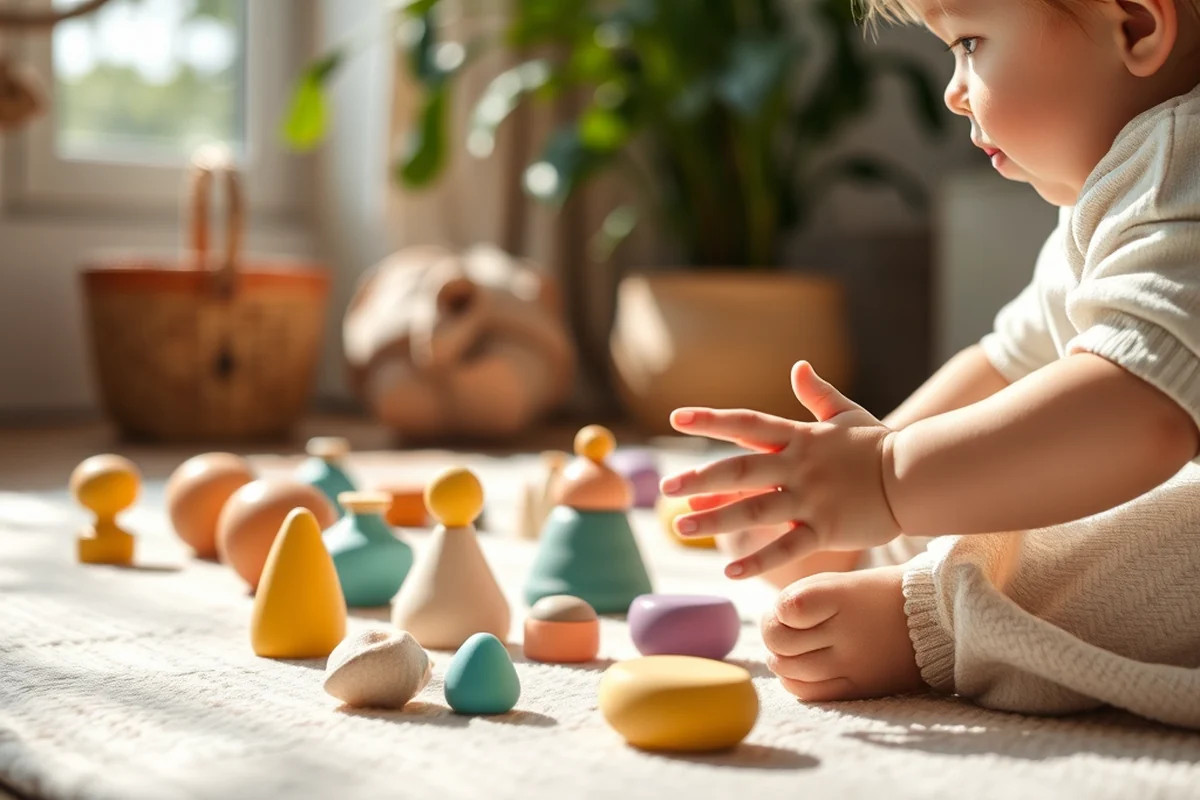
I used to think that exploring nature required going to a park or a forest, but I quickly realized that my backyard was just as rich in opportunities for discovery. I began setting up little nature corners with a magnifying glass, a small bucket, and a few items we'd find on walks. My daughter would spend hours exploring these things, and it was amazing how much she learned without even realizing it was a lesson.
One of the best parts of backyard nature exploration is the sense of safety and familiarity it offers. My daughter didn’t have to worry about getting lost or being overwhelmed by too many people. She could just sit on the grass and watch the ants march, or dig in the soil and discover what was underneath. These moments are precious — they’re not just about learning; they’re about building a sense of connection with the world that surrounds us.
I’ve found that even the simplest things can spark a child’s curiosity. A few raindrops in a puddle, a butterfly fluttering by, or the way the sun filters through the leaves — these are all learning opportunities that can happen right at home.
The best lessons in nature don't have to be far away — they can be right under your feet.
Related: Toddler nature time comparison
DIY Nature Boxes: Creating a Portable Learning Tool
I started making nature boxes after realizing that my daughter didn’t always want to go outside. A nature box is a small container filled with natural items like leaves, rocks, pinecones, or feathers. I'd fill it up after our nature walks and let her explore the items inside during naptime or on rainy days. It became a favorite activity for her — one that she'd often ask to do again and again.
I filled my first box with items I had collected from a nearby trail, and my daughter was immediately drawn to the textures and colors. She’d touch the pinecones, examine the leaves, and even try to sort them by size or shape. I didn’t have to say much — the items themselves were enough to spark her interest and encourage her to explore.
Over time, I began to collect items from different seasons and environments, which helped my daughter recognize the changes in nature throughout the year. These boxes are a great way to keep the learning going, even when the weather is bad or when you're stuck inside for the day.
Use a small, child-friendly container and make sure all the items in the box are safe for your toddler to handle. Avoid anything sharp or too small that could be a choking hazard.
“I remember the first time my 2-year-old daughter sat on a park bench and asked, 'Why do leaves change color?' I had no idea how…”— Toddler Nature Journaling Themes editors
Related: Toddler friendly nature shows comparison
Nature-Based Storytelling: A Creative Way to Engage Your Child
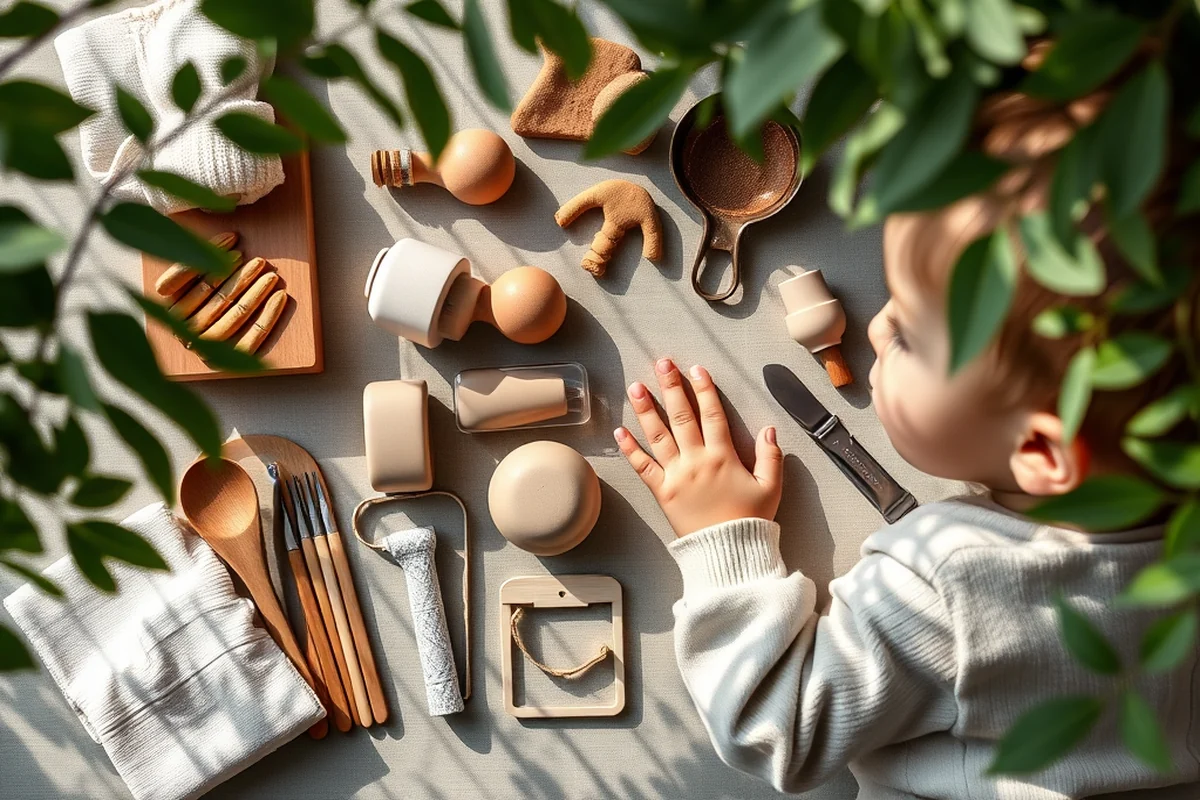
I found that storytelling was a great way to keep my daughter engaged with nature, even when we couldn’t go outside. I would create simple stories that revolved around the things we had seen or collected on our nature walks. These stories were often based on real-life observations — like the time we saw a bird with a broken wing, or the way the leaves changed color in the fall.
One of my favorite stories was about a little squirrel who had to find food for the winter. I used a pinecone, some acorns, and a small toy to help her visualize the story. She loved following along, and she’d often ask questions about the characters and the setting. These stories weren’t just fun — they helped her develop her imagination, language skills, and empathy.
Over time, I noticed that my daughter was more interested in the natural world. She would point out animals in the park, talk about the way the sun moved across the sky, and even make up her own stories about the things we saw. It was amazing to watch her grow in this way — all through the power of storytelling.
Related: Toddler friendly nature documentaries comparison
Seasonal Nature Activities: Learning Through the Changing World
I started paying more attention to the changing seasons after realizing how much my daughter could learn by observing nature’s rhythms. In the fall, we would go on walks to collect leaves, talk about how they changed color, and watch the birds fly south. In the winter, we'd build snow forts, look for animal tracks in the snow, and talk about how the world changed when the temperature dropped.
One of the most rewarding parts of this approach was seeing how my daughter began to recognize the differences between seasons. She’d notice how the trees looked different in the fall, or how the ground was covered in snow in the winter. These observations were not just educational — they were deeply meaningful to her, and they helped her feel more connected to the world around her.
I’ve learned that the seasons are a natural teacher — and they don’t need a curriculum or a teacher to be effective. Just by paying attention, you can help your child see the world in a new way.
Related: Best toddler nature classes
Nature Playdates: Learning with Other Kids
I was surprised to find that even the most basic playdates could become valuable learning opportunities when held in a natural setting. I started inviting other families over to our backyard, and we’d spend time exploring the garden, collecting items, and playing with natural materials. It was amazing to see how my daughter interacted with other children and how they all shared in the experience of learning through play.
One of the best things about these playdates was the way they encouraged social learning. My daughter would talk to other kids about the things she had found, and they would share their own observations. It was a natural way for her to learn — through conversation, cooperation, and shared discovery.
These playdates were also a great way to build a sense of community and connection. I found that other parents were just as interested in nature-based learning as I was, and we often shared ideas, resources, and experiences. It was a beautiful reminder that learning doesn’t have to be a solitary activity — it can be shared, celebrated, and enjoyed with others.
Nature turns even the simplest playdate into a lesson — and one that's fun to learn from.
Related: Cheap toddler nature classes
Nature Art: Expressing Creativity and Curiosity
I discovered that nature art was a great way for my daughter to express her creativity and curiosity about the natural world. I’d take her on walks to collect leaves, rocks, and twigs, and then we’d use these items to make simple art pieces — like leaf prints, rock collages, or stick sculptures. These activities were not only fun but also helped her develop her fine motor skills and imagination.
One of my favorite projects was making leaf prints with paint and paper. I’d take her on a walk, collect leaves, and then we’d sit down and make prints. She loved watching the colors come to life on the paper, and she’d often ask questions about the shapes and colors of the leaves. It was a great way to combine art with learning.
I found that these creative activities helped my daughter develop a deeper appreciation for the natural world. She began to see nature not just as something to observe, but as something to interact with, explore, and express through her own creativity.
🌱 Gentle Exploration
A slow-paced, sensory-driven approach ideal for toddlers who need more time to process and explore.
⚡ Fast-Track Learning
Short, focused sessions that introduce new natural concepts quickly — perfect for busy families.
🌄 Travel/Outdoor Adventures
A version of the approach designed for families who are often on the move or away from home.
👨👩👧👦 Multiple Kids
Tailored for families with multiple toddlers, with activities that encourage shared learning and play.
🔄 Regression Reset
A reset-focused approach for children who may have lost interest in nature or need a new way to engage.
| The mistake | Why it happens | The fix |
|---|---|---|
| Overloading the toddler with too many activities at once. | This can overwhelm them and reduce the quality of their engagement with nature. | Keep activities simple and focused, and allow your toddler to explore at their own pace. |
| Expecting the toddler to learn like a student in a classroom. | Toddlers learn best through play and exploration, not structured lessons. | Focus on creating a fun, interactive experience that invites curiosity and discovery. |
| Ignoring the toddler’s interests and preferences. | This can lead to frustration and a lack of engagement with nature. | Pay attention to what interests your toddler and tailor your activities around those interests. |
| Not allowing time for the toddler to explore on their own. | This can limit their ability to develop independence and a sense of wonder in nature. | Give your toddler space to explore and interact with the natural world at their own pace. |
Toddler Nature Classes Alternatives
Common Questions
How can I keep my toddler engaged during nature walks?
What if we don't have access to nature near our home?
How do I know if my toddler is learning through these activities?
Can I do these activities on rainy days?
References
- Nature-Based Practices In Early Childhood Through An ... (commons.und.edu)
- Classes & Programs | Coppell, TX (coppelltx.gov)
- Childhood Learning Through Mindful Sensory Experiences in Nature (digitalcommons.lesley.edu)
- A Multiple Case Study of Nature Center Preschools (digitalcommons.unl.edu)
- Coyote Kids Nature Camp | Dripping Springs, TX Ranch Park (drippingspringstx.gov)
Cite this guide
Toddler Nature Journaling Themes (2026). Toddler Nature Classes Alternatives. https://naturemarks.com/toddler-nature-classes-alternatives/
Feel free to cite or share this guide.