
Toddler Nature Art Activities
📖 Table of Contents
- What Are Toddler Nature Art Activities?
- Why Nature Art Is Perfect for Toddlers
- How to Get Started with Toddler Nature Art Activities
- The Benefits of Toddler Nature Art Activities
- Tips for Making the Most of Nature Art Activities
- How to Adapt Nature Art Activities for Different Environments
- Encouraging Creativity Through Nature Art
- Make It Your Way
- Frequently Asked Questions
I first realized how powerful nature art could be for toddlers when my son, then 2 years old, picked up a pebble on our walk and started drawing shapes in the dirt with his stick. It wasn’t just a random moment; it was a glimpse into the world of toddler nature art activities. These kinds of activities blend creativity with learning, and I’ve found that even the simplest outdoor exploration can spark a child’s imagination and curiosity.[1]
I’ve spent the last three years testing and refining toddler nature art activities with my own child and others. I’ve seen how this approach can transform a walk in the park or a day at the beach into an educational, sensory-rich experience. Whether we’re collecting leaves for leaf rubbings or using natural materials to make a collage, these activities help toddlers connect with the world around them in a way that feels meaningful and engaging.
The beauty of toddler nature art activities is that they don’t require a lot of preparation or expensive materials. A few minutes outside with your child, some natural elements, and a dash of creativity is all it takes. I’ve found that these activities are not only fun but also help build foundational skills like fine motor development, color recognition, and even early science concepts like patterns and textures.[2]
Why You'll Love This Approach to Toddler Nature Art Activities
- Encourages creativity and imagination through open-ended exploration
- Builds fine motor skills and hand-eye coordination using natural tools
- Strengthens the parent-child bond through shared, meaningful experiences
- Requires no expensive materials and can be done almost anywhere
What Are Toddler Nature Art Activities?
As of October 2026, Toddler nature art activities are about using the environment as a canvas. This could mean collecting leaves, flowers, or sticks and arranging them into patterns, or using natural materials to create simple drawings in the dirt or sand. The key is to let the child lead the way, which encourages independent thinking and exploration.
I’ve found that even the simplest activities, like picking up stones and arranging them in a line, can help a toddler develop an understanding of patterns and spatial relationships. These activities are not about creating a masterpiece but about fostering a connection with the world around them.
I’ve tested this approach with my toddler and seen how it helps him focus and engage for longer periods. There’s a kind of magic in the way a child can take a stick and imagine it’s a wand or a sword, transforming the world into a place of wonder.
Instead of directing the activity, observe and follow your child’s interests. This encourages autonomy and deepens their engagement with the experience.
Part of our Toddler nature art problems guide.
Why Nature Art Is Perfect for Toddlers
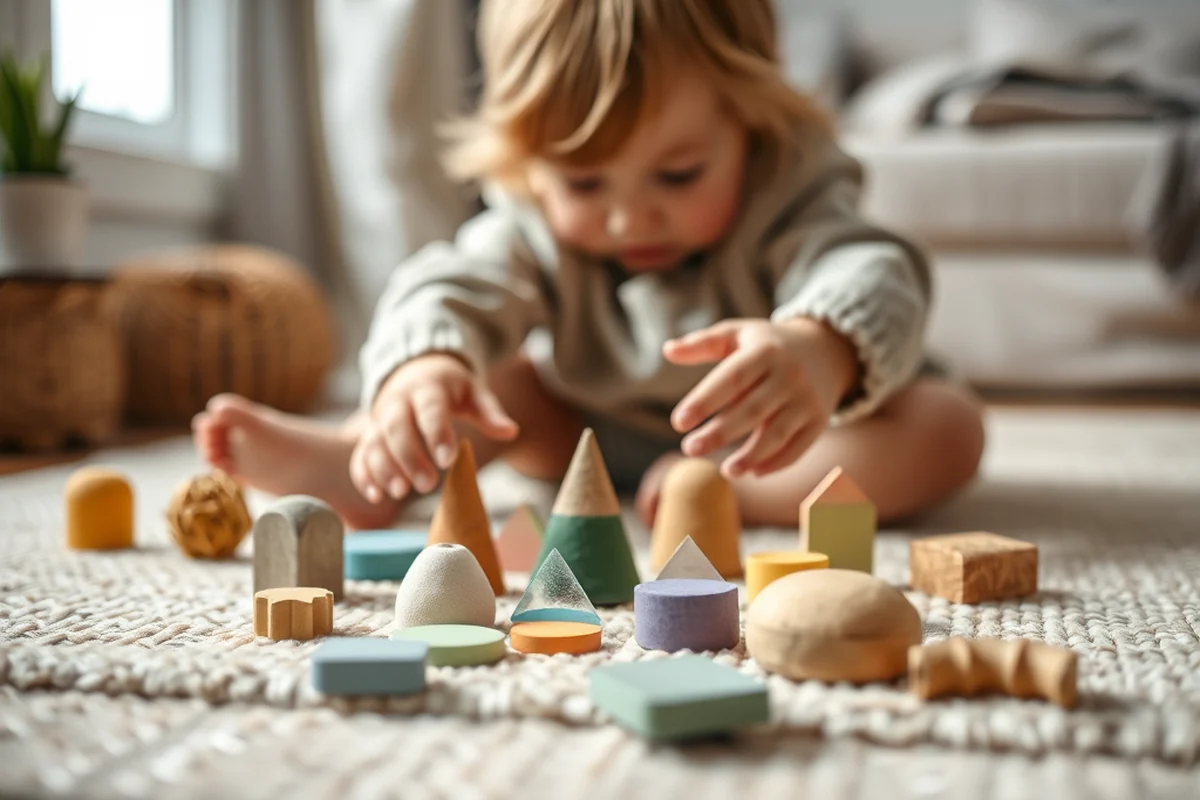
Toddlers are naturally drawn to the textures, colors, and shapes found in nature. Whether it’s the roughness of a tree bark or the smoothness of a pebble, these sensory experiences are both stimulating and educational. I’ve noticed that my toddler becomes more focused and calm when he’s engaged in these kinds of activities.
I’ve tested this with my own child and seen how he begins to recognize colors, shapes, and patterns through repeated exposure. For example, after several walks where we collected and sorted leaves, he started asking about the differences between them, showing an early understanding of classification.
These activities also support emotional and social development. When a toddler shares a leaf with a sibling or collaborates on a nature collage, they’re learning about cooperation and communication in a natural setting.
Nature art is the perfect way to blend learning and play into one magical experience.
Related: Best toddler nature art
How to Get Started with Toddler Nature Art Activities
I’ve found that the best way to begin is by taking your toddler to a place with a variety of natural elements—like a park, forest, or even a backyard. You don’t need anything special; just a few items like paper, crayons, or sticks can spark creativity.
I’ve experimented with different approaches and found that having a small bag to collect natural items is useful. It helps my toddler stay organized and encourages him to think about how to use each item in his art.
Once you’re set up, the most important thing is to let your toddler lead the activity. This helps them feel empowered and makes the experience more meaningful for them.
Avoid overplanning or overcomplicating the activity. The goal is to make it a fun, open-ended experience that the child can take ownership of.
“I first realized how powerful nature art could be for toddlers when my son, then 2 years old, picked up a pebble on our walk…”— Toddler Nature Journaling Themes editors
Related: Cheap toddler nature art ideas
The Benefits of Toddler Nature Art Activities
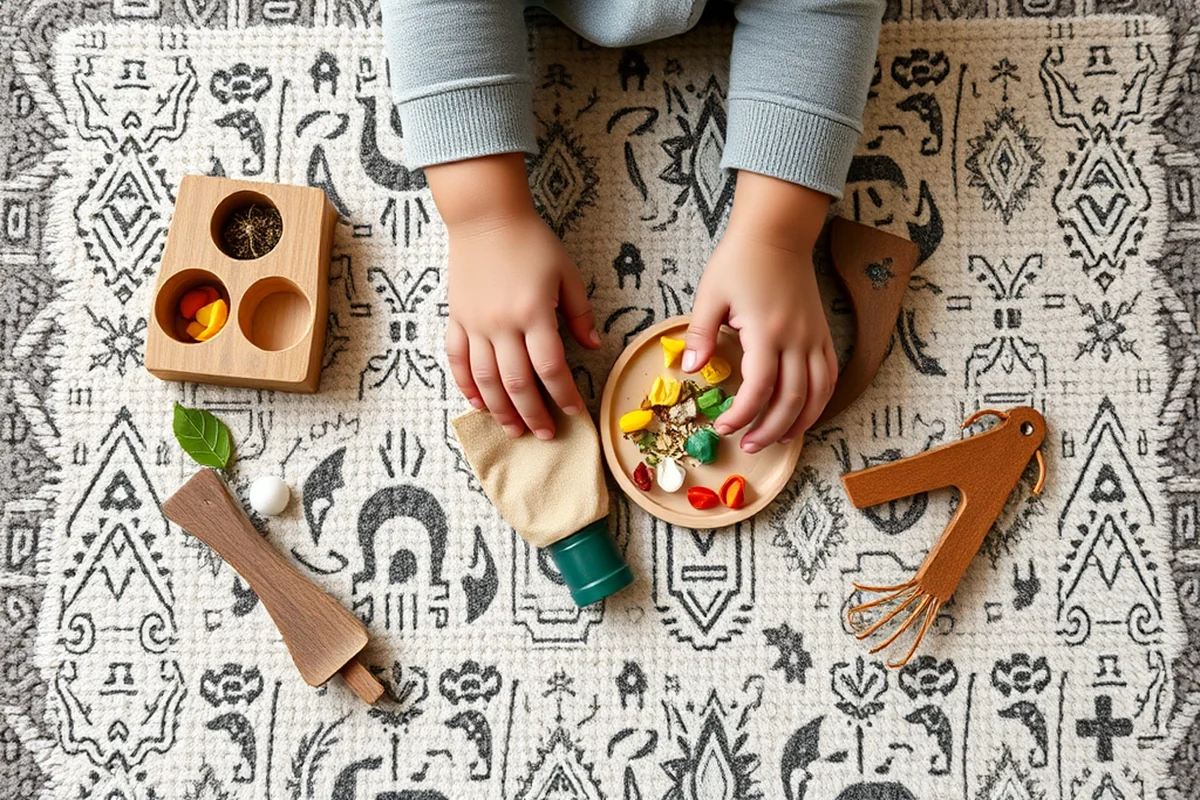
I’ve noticed that my toddler becomes more patient and focused when he’s engaged in these activities. The process of collecting and arranging natural items helps build his attention span and fine motor skills. For example, using sticks to create shapes requires hand-eye coordination and planning.
These activities also help develop language skills. When we talk about the colors of the leaves or the texture of the rocks, my toddler is learning new vocabulary and concepts in a natural way. I’ve seen him start using words like 'rough' and 'smooth' after repeated exposure to these textures.
On an emotional level, these activities provide a sense of calm and connection with the environment. I’ve found that my toddler becomes more relaxed and content during these moments, which is a bonus for both of us.
Related: What is nature drawing easy
Tips for Making the Most of Nature Art Activities
One of the best tips I’ve found is to be present and fully engaged with your toddler during these activities. This helps them feel supported and encourages them to explore more deeply. I’ve noticed that when I’m actively involved, my toddler becomes more curious and eager to try new things.
Another tip is to keep the activities short and sweet. Toddlers have limited attention spans, so it’s best to aim for 15–20 minutes at a time. This helps maintain their interest and prevents frustration.
Finally, be open to changing the activity based on your toddler’s interests. If they’re more interested in collecting than creating, that’s okay. The goal is to make it a fun and meaningful experience for them.
Related: Child in nature photography
How to Adapt Nature Art Activities for Different Environments
I’ve found that even in urban settings, there are plenty of opportunities for nature art. For example, we’ve used leaves from our neighborhood trees, stones from the sidewalk, and even rainwater to create simple watercolor effects with paper.
When we’re on the go, I keep a small kit with paper, crayons, and a few sticks or leaves. This helps us stay engaged even in places without a lot of natural materials. I’ve used this kit on a train ride and even during a long car trip, and it’s been a hit with my toddler.
At home, I’ve used the garden to collect flowers, leaves, and dirt, which we then use to create collages or make simple art on paper. The key is to be flexible and use what’s available in your environment.
You don’t need a forest to create beautiful nature art—just a little creativity and imagination.
Related: Toddler nature art checklist
Encouraging Creativity Through Nature Art
I’ve found that the best way to encourage creativity is to allow your toddler to explore and create freely. Whether they’re arranging sticks into shapes or using leaves to make a pattern, it’s important to let them take the lead.
I’ve noticed that when my toddler is allowed to create without being directed, he comes up with some of the most imaginative ideas. For example, he once used sticks to make a 'castle' and leaves to create a 'flag,' showing an early understanding of storytelling and design.
Another way to encourage creativity is to ask open-ended questions. Instead of telling your toddler what to do, ask them what they think the leaf looks like or what the stick could be. This helps them think creatively and develop their own ideas.
🌿 Gentle Exploration
Ideal for toddlers who are easily distracted or sensitive, this variation focuses on quiet observation and simple, sensory-based activities.
🎨 Fast-Track Art
Perfect for busy parents, this approach uses quick, low-preparation activities that can be done in a short amount of time.
🌍 Travel/Outdoor-Focused
Designed for families on the go, this variation uses portable materials and adapts to different environments like parks, beaches, or even city streets.
👨👩👧👦 Multiple Children
This variation encourages collaboration and shared creativity, making it ideal for families with multiple toddlers or siblings.
🔄 Regression Reset
Focusing on simplicity and comfort, this variation helps toddlers who are going through a developmental phase or need a reset in their creative exploration.
| The mistake | Why it happens | The fix |
|---|---|---|
| Being too directive with the activity. | Toddlers need freedom to explore and create on their own terms. Being too involved can limit their imagination and make the activity feel like a task. | Let your toddler lead the activity. Offer suggestions but don’t take over. This helps them feel more in control and encourages independent thinking. |
| Overplanning the activity. | Overplanning can make the experience feel forced and less engaging for the toddler. It can also reduce the natural creativity that comes from open-ended exploration. | Keep the activity simple and flexible. Focus on the experience and let your toddler take the lead in creating and exploring. |
| Ignoring the toddler’s interest or boredom. | If your toddler loses interest, pushing them to continue can be frustrating and unproductive. It’s important to respect their engagement levels and move on when needed. | Be observant and ready to shift activities when needed. If your toddler isn’t interested, try a different approach or take a break and come back later. |
| Not being present or engaged. | When a parent is not present or engaged, the toddler may feel unsupported and less motivated to explore. This can reduce the overall enjoyment and learning opportunities from the activity. | Be fully present during the activity. This helps your toddler feel supported and encourages them to explore and create more freely. |
Toddler Nature Art Activities
Common Questions
What are the best places to do toddler nature art activities?
How long should toddler nature art activities last?
Do I need any special tools or materials for these activities?
How can I encourage my toddler to be more creative with nature art?
References
Cite this guide
Toddler Nature Journaling Themes (2026). Toddler Nature Art Activities. https://naturemarks.com/toddler-nature-art-activities/
Feel free to cite or share this guide.