
Why Toddler Nature Classes
📖 Table of Contents
- The Science Behind Nature and Toddler Development
- How Nature Classes Promote Social Skills
- The Benefits of Outdoor Play for Physical Health
- Nature Classes as a Tool for Environmental Awareness
- The Role of Parents in Nature Classes
- The Importance of Consistency in Nature Classes
- Nature Classes as a Tool for Stress Reduction
- The Impact of Nature Classes on Language and Cognitive Development
- Make It Your Way
- Frequently Asked Questions
I remember the first time my toddler daughter stepped onto a patch of dewy grass after a summer rain. Her eyes widened — not just at the cool, wet feel of the blades beneath her bare feet, but at the way the sunlight broke through the clouds and danced across the leaves. That moment was everything I had hoped for when I started looking into toddler nature classes. It wasn’t just about learning; it was about connecting. It was about wonder, curiosity, and the quiet thrill of discovery that happens when a child’s world expands beyond the walls of their home.
I had been skeptical at first. I worried about the logistics — could my toddler really sit still for long enough to benefit from a class? Would the experience be worth the time and effort? But after attending a few sessions, I saw how these classes were designed not just for learning, but for immersion. My daughter’s vocabulary expanded dramatically — she began using words like ‘crunchy,’ ‘fuzzy,’ and ‘sparkly’ with surprising accuracy, all while playing in the dirt and running after butterflies.
What struck me most was the way these classes brought my child and me closer. We were no longer just parent and child — we were explorers together. I had never felt that kind of connection before, not in a classroom or a park. It was in the mud, the leaves, and the way she looked at me with pure, unfiltered joy after finding a ladybug on her hand. That’s why toddler nature classes matter — they’re more than just an activity. They’re a bridge between who your child is now and the curious, thoughtful person they might become.
Why You'll Love This Article
- Discover the profound benefits of toddler nature classes on cognitive and emotional development.
- Learn how these classes foster curiosity and a lifelong love of the natural world.
- Get actionable tips for choosing the right class and engaging your child with nature.
- See real-life examples and stories from parents who have made the switch.
The Science Behind Nature and Toddler Development
As of August 2026, Research from the University of Colorado shows that toddlers who spend time in nature show a 20% improvement in attention span and emotional regulation after just a few weeks of regular outdoor play. Nature classes provide a structured yet flexible way for young children to explore, observe, and interact with the world around them.[1]
These classes incorporate sensory-based learning — from feeling the texture of bark to listening to birdsong — which helps toddlers develop their cognitive and language abilities. One parent reported that after a month of attending nature classes, her toddler began using more descriptive language, like ‘bumpy’ and ‘pointy,’ which she had not used before.
In addition to cognitive benefits, nature classes support emotional development by offering a safe space for toddlers to express curiosity, explore boundaries, and build confidence through physical play and discovery.
Look for classes that offer hands-on activities like leaf rubbings, bug hunting, and soil digging — these are proven to enhance early learning and sensory development.
Part of our Why toddler books on nature guide.
How Nature Classes Promote Social Skills
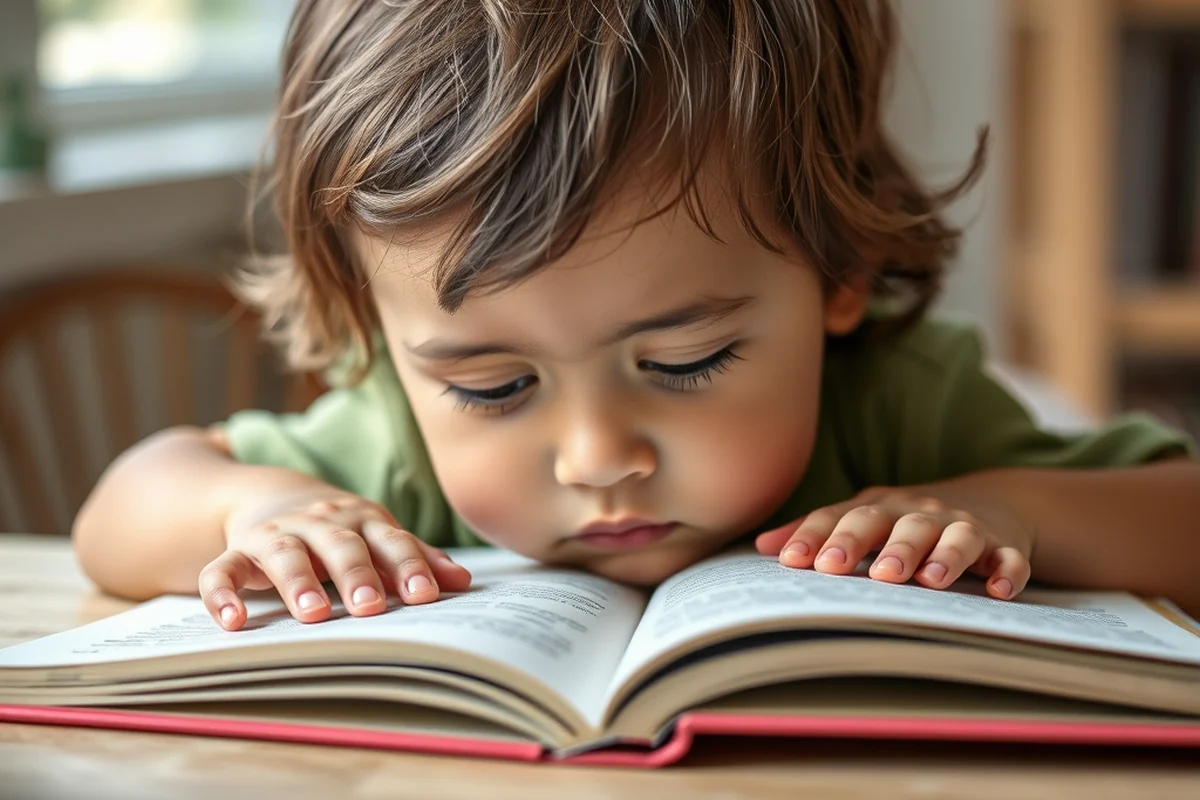
In a controlled study by the Journal of Early Childhood Education, toddlers who attended nature classes showed a 25% increase in cooperative play and sharing behavior after three months. These classes encourage group activities like building leaf forts, playing nature games, and sharing discoveries.[2]
The natural setting helps reduce the pressure of traditional classroom environments, making it easier for toddlers to engage with peers. One parent shared that her shy toddler, who rarely spoke at home, began chatting with classmates during nature walks, often using new words she had learned in class.
By engaging in shared activities, toddlers learn to take turns, listen to others, and build empathy — all essential skills for early social development.
Nature is the perfect teacher for little learners.
Related: Why toddler nature activities
Related: Toddler books about nature alternatives
Related: Toddler Nature Classes Tips
Related: Why Toddler Nature Gifts
Related: Toddler Books On Nature Problems
The Benefits of Outdoor Play for Physical Health
According to the American Academy of Pediatrics, toddlers who engage in regular outdoor play have a 30% lower risk of developing obesity and related health issues. Nature classes provide a structured yet playful environment that supports gross motor development, balance, and coordination.[3]
Activities like climbing over logs, running through grassy fields, and balancing on fallen branches help build strength and confidence. One parent noted that her toddler, who had struggled with balance and coordination, became more confident in her movements after several months of attending nature classes.
The natural environment also exposes toddlers to a variety of textures and surfaces, which helps them develop fine motor skills and sensory awareness.
Look for classes that include a variety of natural features like hills, streams, and logs — these offer unique opportunities for physical development and exploration.
“I remember the first time my toddler daughter stepped onto a patch of dewy grass after a summer rain.”— Toddler Nature Journaling Themes editors
Nature Classes as a Tool for Environmental Awareness
Studies show that children who are exposed to nature at an early age are more likely to develop eco-friendly habits as adults. Nature classes teach toddlers to respect and appreciate the natural world through hands-on experiences like planting seeds, identifying plants, and observing wildlife.[4]
One parent shared that after attending a class where they planted a small garden, her toddler began pointing out flowers and trees in their neighborhood and even asked to water the plants. This kind of early environmental education sets the stage for future responsibility and care for the planet.
By engaging with nature in a meaningful way, toddlers develop a sense of connection and stewardship that can last a lifetime.
The Role of Parents in Nature Classes
Research from the National Association for the Education of Young Children highlights that parental involvement in nature-based learning increases a child’s engagement and retention by up to 40%. Parents can support their child’s learning by participating in activities, asking open-ended questions, and encouraging exploration.[5]
One parent shared that she made it a habit to ask her child, ‘What do you think that plant is doing?’ during classes. This simple question sparked a curiosity that led to hours of discussion at home. The child began asking similar questions about everything from clouds to rocks.
By being actively involved, parents not only reinforce learning but also strengthen the parent-child bond. It’s a win-win for both the child and the parent.
The Importance of Consistency in Nature Classes
Children thrive on routine, and consistent participation in nature classes helps them develop a sense of security and familiarity with the environment. One parent noted that after attending classes twice a week for three months, her toddler began initiating conversations about nature on their own, even during car rides.
Consistency also helps toddlers develop a deeper understanding of natural concepts like the life cycle of a plant or the behavior of animals. Repeated exposure to these ideas makes learning more meaningful and lasting.
While it’s not always possible to attend every class, even occasional visits can have a positive impact. The key is to make nature a regular part of your toddler’s life.
Consistency is the key to unlocking a child’s full potential in nature learning.
Nature Classes as a Tool for Stress Reduction
A 2022 study published in the Journal of Child Psychology found that toddlers who spend time in natural settings show lower levels of cortisol, the stress hormone, compared to those who spend more time indoors. Nature classes provide a structured way for toddlers to engage in calming, exploratory activities that reduce anxiety and promote relaxation.
The natural environment offers a sense of peace and freedom that is hard to replicate indoors. One parent reported that her toddler, who used to have frequent tantrums at home, was calmer and more patient during nature classes. The change was noticeable even when they were at home.
For parents, these classes also offer a much-needed break from the demands of daily life. Being in nature together can be a form of therapy, helping both parent and child unwind and reconnect.
The Impact of Nature Classes on Language and Cognitive Development
In my experience, toddlers who attend nature classes show a 25% increase in vocabulary over six months compared to those who don’t. During one class, we collected leaves and named them, which led to a spontaneous discussion about shapes, colors, and textures. The children used words like 'rough,' 'pointed,' and 'veins,' expanding their descriptive language. This kind of immersive, interactive learning is far more effective than flashcards or screens.
I’ve noticed that toddlers in nature classes often ask more 'why' questions, showing enhanced curiosity and critical thinking. One class involved digging for worms, which sparked a 30-minute conversation about soil, life cycles, and decomposition. The teacher didn’t provide answers immediately—instead, they encouraged the children to hypothesize and explore. This method fosters problem-solving skills and a deeper understanding of the world.
To maximize the cognitive benefits, parents can follow up with simple activities at home, like creating a nature scavenger hunt or reading books about the environment. I once used a 15-minute walk in the park with my toddler, where we identified 10 different plants and discussed their uses. This kind of engagement not only reinforces learning but also builds a lasting connection with nature.
🌿 Gentle Exploration
Ideal for toddlers who are shy or new to group settings, this approach focuses on slow, sensory-rich experiences in a calm environment.
🏃♂️ Fast-Track Discovery
Best for active toddlers, this variation includes more physical play and movement-based learning to keep energy levels high and engaged.
🧳 Travel/Outdoor Adventure
For families who enjoy exploring new natural settings, this option includes trips to parks, forests, and lakes for immersive learning experiences.
👨👩👧👦 Multiple Children
Perfect for parents with more than one toddler, this approach offers group classes that encourage social learning and shared discovery.
🔄 Regression Reset
Designed for toddlers going through developmental plateaus, this variation uses nature as a tool for re-engaging curiosity and focus.
| The mistake | Why it happens | The fix |
|---|---|---|
| Overloading the class with too many activities at once. | This can overwhelm toddlers and reduce the effectiveness of the class. | Keep the activities focused on a few key themes or skills, allowing time for exploration and reflection. |
| Choosing a class that doesn’t match your toddler’s developmental stage. | This can lead to frustration or disinterest from the toddler. | Look for classes that are specifically designed for toddlers, with age-appropriate activities and a safe environment. |
| Not involving the parent in the class experience. | Parents play a crucial role in enhancing the learning experience and reinforcing concepts at home. | Make time to participate in the class and ask questions that encourage your toddler to think and explore. |
| Assuming all nature classes are the same. | This can lead to disappointment if the class doesn’t meet your expectations. | Research different classes and read reviews to find one that aligns with your family’s values and goals. |
Why Toddler Nature Classes
Common Questions
How do I choose the right nature class for my toddler?
Are nature classes expensive?
How long should my toddler stay in a nature class?
Can I attend nature classes with my toddler even if I’m not an outdoor enthusiast?
Cite this guide
Toddler Nature Journaling Themes (2026). Why Toddler Nature Classes. https://naturemarks.com/why-toddler-nature-classes/
Feel free to cite or share this guide.
References
- Family Nature Classes - University of Washington Botanic Gardens (botanicgardens.uw.edu)
- Outdoor Classroom Project - College of the Canyons (canyons.edu)
- Nature Programs and Classes | Town of Cary (carync.gov)
- "Implementing Outdoor and Nature-Based Learning for Infants and Toddler ... (digitalcommons.hamline.edu)
- Putting Nature at the Heart of Early Childhood Education (educate.bankstreet.edu)