Types Of Toddler Nature Art
📖 Table of Contents
- What Is Toddler Nature Art?
- The Benefits of Nature-Based Play
- How to Choose the Right Nature Art Activity
- Common Types of Toddler Nature Art
- How to Keep Nature Art Activities Safe
- How to Encourage Creativity in Nature Art
- How to Incorporate Nature Art into Your Daily Routine
- Make It Your Way
- Frequently Asked Questions
One crisp October morning, I found my two-year-old son sitting in the backyard, collecting fallen leaves and arranging them in a perfect semi-circle on the grass. He called it 'the leaf border.' It was the first time I realized how powerful nature could be as a medium for toddler creativity. I had never considered nature as a form of art before, but that moment shifted something in me. Since then, I've been exploring the world of toddler nature art, and I'm excited to share what I've learned.[2]
I used to think that toddler art meant crayons, paper, and maybe a few finger paints. But when I started letting my son play with pebbles, twigs, and flowers, I saw a completely different kind of creativity unfold. It wasn’t just about making something—it was about connecting with the world around us. That’s when I began to see the value in toddler nature art as a way to foster sensory development, curiosity, and a deep connection to the natural world.[3]
What surprised me most was how accessible and adaptable toddler nature art could be. I didn’t need to buy any special tools or materials. We could take a walk in the neighborhood, pick up items from the ground, or even use items from our own yard. It became a way to slow down, be present, and let my son explore and create in a way that felt safe and unstructured. That’s why I’m writing this article: to help you discover the many types of toddler nature art that can bring joy, learning, and connection into your family’s life.[4]
Why You'll Love This Guide to Toddler Nature Art
- Encourages unstructured creativity and exploration
- Strengthens sensory development and fine motor skills
- Deepens your child’s connection to the natural world
- Requires minimal materials and can be done anywhere
What Is Toddler Nature Art?
As of October 2026, Toddler nature art is all about using the environment as a canvas. It can be as simple as collecting leaves and arranging them into a pattern or as complex as creating a collage using twigs, flowers, and pebbles. These activities are not only fun but also incredibly beneficial for development. I’ve seen my son improve his fine motor skills and hand-eye coordination simply by picking up small items and placing them where he wants.
One of the things I love about toddler nature art is that it doesn’t require any special materials. You can use items you find on a walk, in your backyard, or even in your own home. This makes it easy to practice regularly, even on busy days. I’ve found that spending 20 minutes a day playing with natural materials can make a big difference in my child’s mood and attention span.[1]
The beauty of toddler nature art is that it allows children to explore and express themselves in a way that’s both safe and engaging. It’s not about creating a masterpiece—it’s about the process, the discovery, and the connection to the world around them.
Begin with just a few items and let your child lead the way. You don’t need a full basket of materials—sometimes, just a handful of leaves or a few pebbles can spark hours of creativity.
Part of our Toddler nature art problems guide.
The Benefits of Nature-Based Play
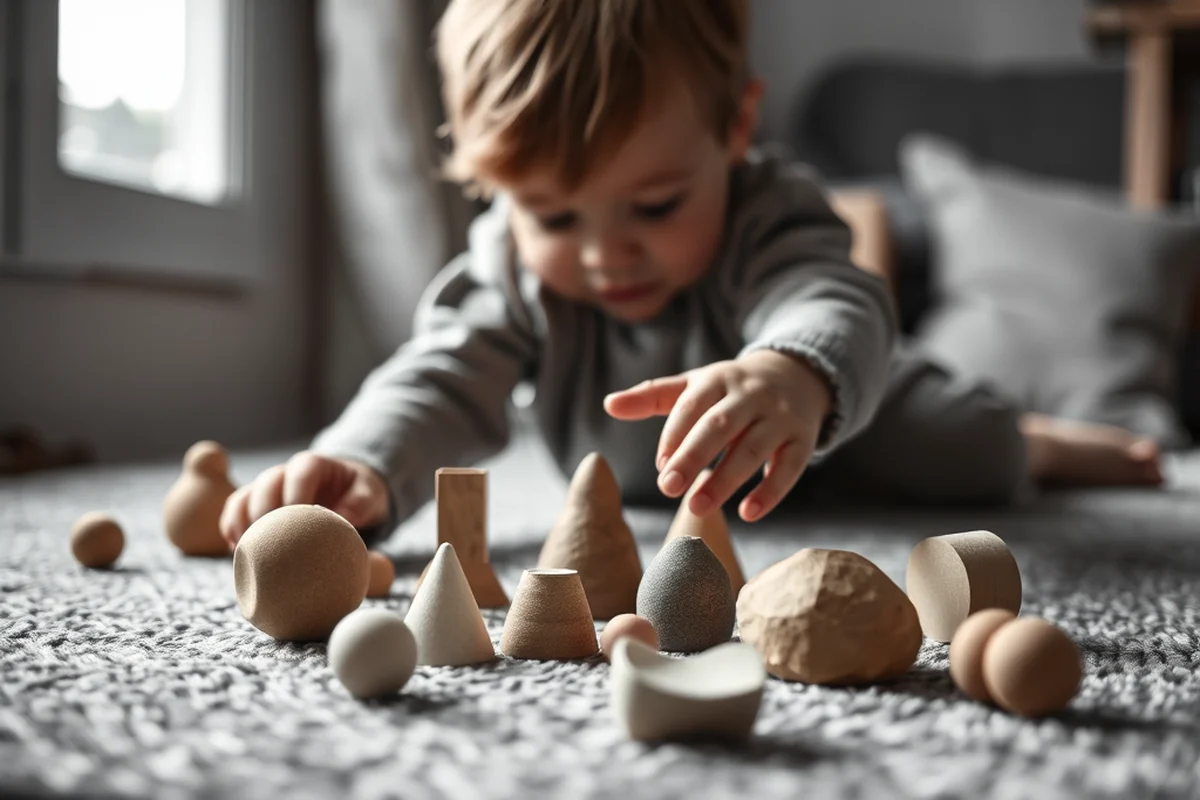
I’ve noticed a huge difference in my child’s focus and patience since we started incorporating nature into our creative play. When he’s working with natural materials, he’s more engaged and less likely to become frustrated. The tactile experience of touching leaves, feeling the texture of bark, or holding a smooth pebble helps develop his sensory awareness in a way that’s both fun and educational.
Nature-based play is also great for emotional regulation. When my son is upset, I often take him outside to walk, collect items, or create something with what we find. It helps him calm down and refocus. I’ve noticed that he’s more willing to try new things and explore his environment once he’s connected with nature in this way.
The benefits of nature-based play go beyond just the physical and emotional. It also helps children develop a sense of curiosity and wonder about the world. It’s a way to foster a lifelong love of learning and exploration.
Nature isn’t just a backdrop—it’s a teacher.
Related: Top toddler nature art
How to Choose the Right Nature Art Activity
I’ve learned that the best nature art activities are the ones that match your child’s current interests. If they love animals, we might create a nature collage of animal shapes. If they’re into colors, we might spend time collecting leaves in different shades. It’s also important to consider the season and the time of day—early morning walks can yield different materials than late afternoon ones.
When I first started, I tried to plan every activity, but that didn’t work as well as I thought. Now, I let my son choose what he wants to do. This keeps him engaged and excited. I’ve found that when he feels like he has control over the activity, he’s more likely to stay focused and enjoy the process.
The materials you choose also matter. I prefer to use safe, non-toxic items, and I always make sure to supervise my child during these activities. I’ve even created a small basket that I carry on walks so we can collect items and use them later for creative play.
Let your child choose the activity and the materials. This increases their engagement and makes the experience more meaningful for them.
“One crisp October morning, I found my two-year-old son sitting in the backyard, collecting fallen leaves and arranging them in a perfect semi-circle on the”— Toddler Nature Journaling Themes editors
Related: Top toddler nature art ideas
Common Types of Toddler Nature Art
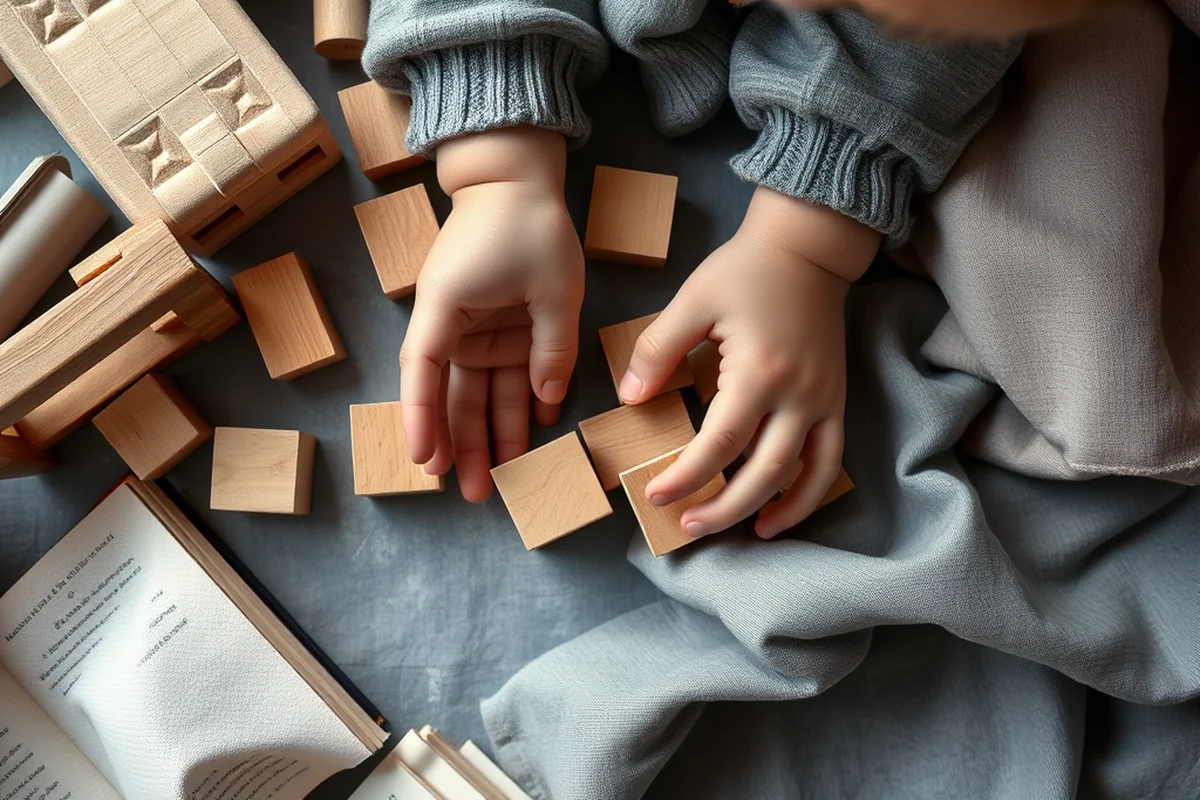
One of the most popular types of toddler nature art is leaf collages. I’ve seen my son create amazing patterns by pressing different types of leaves onto paper. This activity helps develop his fine motor skills and creativity. I’ve even used it as a way to teach him about different types of leaves and their shapes.
Another favorite is stick sculptures. We gather sticks from the yard or on walks and arrange them into different shapes. This helps with hand-eye coordination and spatial awareness. I’ve noticed that my son is more focused when he’s working with sticks, and he loves the way they look when arranged in different ways.
Pebble mosaics are also a fun way to explore creativity. I’ve used them to create simple designs on a piece of cardboard or even on the ground. My son enjoys arranging the pebbles in patterns and learning about their different textures. These activities are not only fun but also help build a connection to the natural world.
Related: Best toddler nature art
How to Keep Nature Art Activities Safe
I’ve made it a rule to always supervise my child during nature art activities. It’s important to make sure that the materials we use are safe and that there are no small objects that could be a choking hazard. I’ve had to replace some items over time because they became too small for my son to handle safely.
I also make sure to clean the materials we use before bringing them inside. This helps prevent the spread of germs and keeps the activity more hygienic. I’ve found that using a small bowl of water and a soft cloth is enough to clean most natural materials before bringing them into the house.
Another thing I’ve learned is to never leave my child unattended with natural materials, especially if they’re small or sharp. I always take the time to check the items we collect before using them in an activity. It’s a small step, but it makes a big difference in keeping the experience safe and enjoyable.
Related: Cheap toddler nature art ideas
How to Encourage Creativity in Nature Art
One of the best ways I’ve found to encourage creativity is to ask open-ended questions. Instead of telling my son what to do, I ask him questions like, 'What do you think this leaf looks like?' or 'How can we use these stones?' This helps him think creatively and express his ideas in his own way.
I’ve also learned that it’s important to create a safe and supportive environment. I make sure my child feels comfortable making mistakes and trying new things. I’ve seen how this helps him take more risks and explore different ways of creating with natural materials.
Another thing I do is to allow my child to lead the activity. I let him choose the materials and the way he wants to use them. This helps him feel more in control and more invested in the process. I’ve noticed that when he’s in charge, he’s more creative and more willing to try new things.
Creativity isn’t about following rules—it’s about exploring possibilities.
Related: What is nature drawing easy
How to Incorporate Nature Art into Your Daily Routine
I’ve found that even a few minutes of nature art can make a big difference in my child’s day. I try to incorporate it into our routine in small ways, like taking a walk after breakfast or using natural materials for play during naptime. These small moments add up and help keep the activity consistent.
I’ve also found that involving the whole family in nature art activities makes it more fun and more engaging. My husband and I sometimes take turns leading the activity, and we all enjoy the time we spend together. It’s a great way to bond and share creative moments.
Another way I’ve incorporated nature art into our routine is by setting up a small nature art area in our home. We have a basket with a few natural items that we use for play when we’re inside. This helps us stay connected to nature even on days when we can’t go outside.
🌿 Gentle Exploration
Slow, sensory-focused activities that let toddlers explore at their own pace with minimal guidance.
🎨 Fast-Track Creativity
Quick, structured activities that spark immediate creativity without requiring long setups.
🧳 Travel/away-from-home
Portable and adaptable activities that can be done on the go or in unfamiliar environments.
👯♀️ Multiples
Activities that work well with more than one child, encouraging collaboration and shared creativity.
🔄 Regression Reset
Activities designed to help toddlers re-engage with creativity after a period of resistance or disinterest.
| The mistake | Why it happens | The fix |
|---|---|---|
| Using unsafe or potentially hazardous materials. | Small or sharp objects can be a choking hazard or cause injury if not used carefully. | Always choose safe, non-toxic materials and supervise your child at all times. |
| Forcing the activity instead of letting the child lead. | Forcing an activity can make it feel like a chore instead of a fun, creative experience. | Let your child choose the activity and the materials. This increases their engagement and enjoyment. |
| Not cleaning the natural materials before use. | Natural materials can carry germs and bacteria, which can be harmful to young children. | Always clean the materials with water and a soft cloth before using them in an activity. |
| Trying to make the activity too structured or complex. | Too much structure or complexity can overwhelm a toddler and discourage creativity. | Keep the activity simple and flexible. Let your child explore and create in their own way. |
Types Of Toddler Nature Art
Common Questions
What if my toddler is not interested in nature art?
Do I need to clean the natural materials before using them?
Can I do nature art activities indoors?
What if I don’t have a lot of time for nature art?
References
- Nature Tots - Chico Area Recreation & Park District (chicorec.gov)
- Kid's Nature Craft Hour - DCR.Virginia.Gov (dcr.virginia.gov)
- Understanding Children's Art Making Preferences (digitalcommons.lesley.edu)
- Art & Nature Camp - Town of Fairfax (townoffairfaxca.gov)
Cite this guide
Toddler Nature Journaling Themes (2026). Types Of Toddler Nature Art. https://naturemarks.com/types-of-toddler-nature-art/
Feel free to cite or share this guide.