Toddler Nature Art Vs
📖 Table of Contents
- What is Toddler Nature Art and Why It Matters
- Toddler Nature Art vs. Nature Journaling
- Toddler Nature Art vs. Forest Kindergarten
- Toddler Nature Art vs. Eco-Art
- The Benefits of Toddler Nature Art
- How to Get Started with Toddler Nature Art
- Toddler Nature Art and Emotional Development
- Make It Your Way
- Frequently Asked Questions
When my daughter turned two, she began picking up leaves, sticks, and rocks from our backyard, arranging them into shapes that looked like animals and trees. I didn’t realize it at the time, but this was the beginning of her journey into toddler nature art. What started as simple curiosity became a daily ritual of exploration, creativity, and connection to the natural world. I quickly learned that toddler nature art is more than just a fun activity—it's a powerful way to engage a child's senses, nurture their imagination, and build a foundation for lifelong learning.[1]
As I explored this practice more, I noticed a growing trend among parents who were eager to bring nature into their children’s lives in meaningful ways. However, I also saw confusion around the differences between toddler nature art and other forms of nature-based play. I wanted to clarify what makes toddler nature art unique and how it can be distinguished from other practices like nature journaling, forest kindergartens, or eco-art. This journey led me to experiment with different techniques, observe the way my daughter responded, and eventually compile insights that could help other families understand and embrace toddler nature art with confidence.[2]
Through trial and error, I discovered that toddler nature art isn’t about creating perfect, polished pieces—it’s about the process, the mess, and the joy of discovery. Whether it’s collecting seashells on a beach, pressing flowers between the pages of a book, or using twigs to build a miniature village, the goal is to spark wonder and curiosity in young children. This article is for parents who want to explore toddler nature art and understand how it compares to other nature-based activities. I’ll share my experiences, the benefits I've seen, and practical tips to help you get started.[3]
Why You'll Love This Approach to Toddler Nature Art
- Encourages sensory exploration and creativity through open-ended play
- Helps build a deep, early connection with the natural world
- Supports emotional and cognitive development through hands-on learning
- Can be adapted easily to different environments and budgets
What is Toddler Nature Art and Why It Matters
As of September 2026, Toddler nature art is a form of creative play that uses natural materials like leaves, stones, sticks, and flowers to make art. Unlike structured art activities, this form of play is open-ended and encourages children to explore, arrange, and manipulate materials in their own way. My daughter often spends hours sorting leaves by size, stacking rocks, and creating patterns with pebbles—these are all forms of toddler nature art.[4]
I started incorporating this into our daily routine after noticing how engaged she became during walks in the park. We would collect a few items and bring them home to create a small artwork. This activity not only occupied her for long periods but also sparked her curiosity about the natural world. It became a way for her to process emotions, solve simple problems, and express her ideas without words.[5]
The key benefit of toddler nature art is that it allows children to engage with their environment in a meaningful, sensory-rich way. By collecting and arranging natural items, children learn to observe details, notice patterns, and think critically. This form of play supports early development and lays the foundation for more complex creative and cognitive skills later in life.
Before bringing any materials home, take a short walk with your toddler and let them collect a few items that catch their eye. This helps them connect with the environment and builds excitement for the art activity that follows.
Part of our Toddler nature journal guide guide.
Toddler Nature Art vs. Nature Journaling
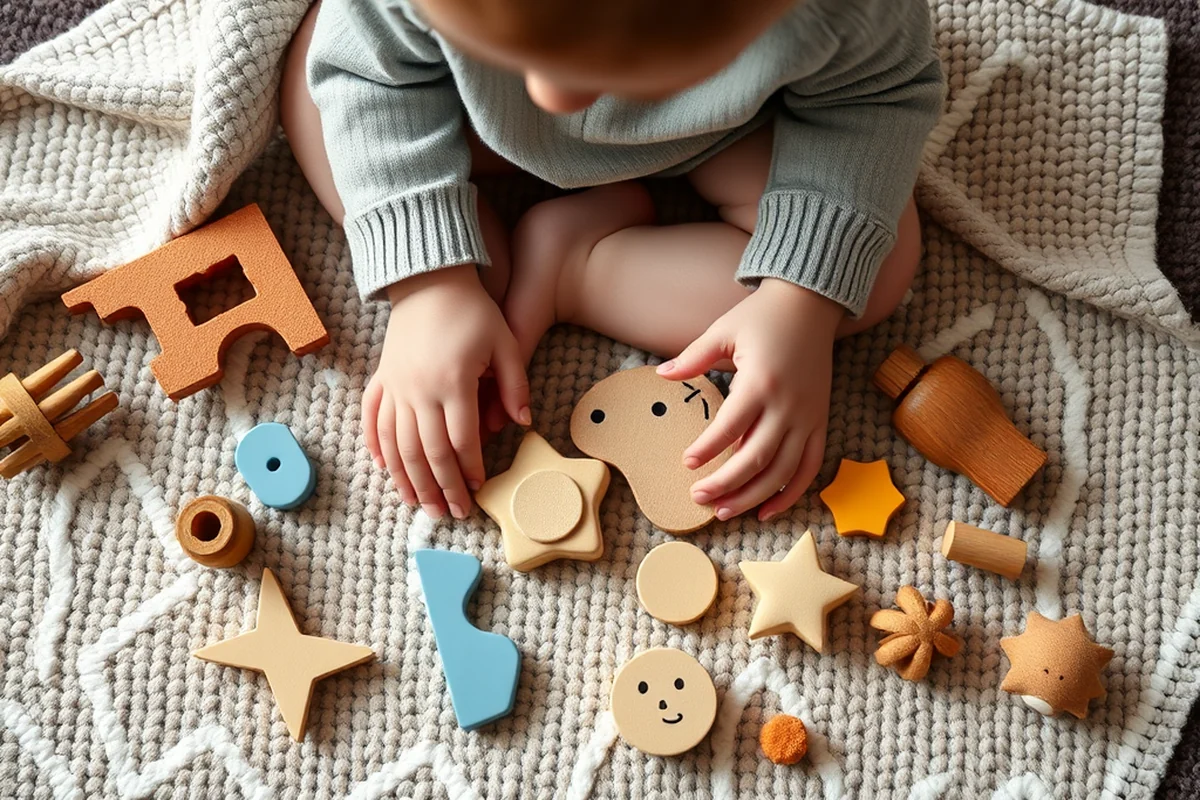
Nature journaling and toddler nature art might seem similar at first glance, but they serve different purposes. Nature journaling is often used to record observations, such as a child's sketches of a flower, a description of a bird they saw, or a note about the weather. This activity is more structured and can be used to teach children how to observe and document their findings.
In contrast, toddler nature art is more about the process of creating and experimenting with materials. It's not about making a finished product—it's about the joy of discovery and the freedom to explore. My daughter's nature art often ends up being a pile of leaves or a small arrangement that changes every day. There's no right or wrong way to do it.
While nature journaling can be a great activity for older children or those with a strong interest in science, toddler nature art is more accessible for younger kids. It doesn't require writing, drawing, or even a journal—it just requires time in nature and a few natural materials.
Nature art is about the joy of discovery, not the finished product.
Related: Toddler nature activities
Related: Nature inspired toddler room guide
Related: Nature for toddler guide
Related: Toddler nature crafts
Toddler Nature Art vs. Forest Kindergarten
Forest kindergartens are a type of early childhood education that focuses on outdoor learning and play. These programs take place mostly in natural settings and are designed to teach children through hands-on exploration and play. However, not all families have access to a forest kindergarten, and not all children are ready for that kind of intensive outdoor experience.
Toddler nature art is a more flexible alternative that can be done in a variety of environments. Whether you're in a city park, on a beach, or in your own backyard, you can use nature to create art. I've found that even a small patch of grass or a few sticks from the sidewalk can inspire hours of creative play.
While both activities promote a connection with nature, toddler nature art is more about the process of creating and exploring, rather than the structured learning that takes place in a forest kindergarten. This makes it an accessible and adaptable activity for any family, regardless of location or resources.
If you can't take your toddler to a forest or nature reserve, look for natural materials in your own neighborhood. Even a small park or garden can provide a wealth of creative materials for toddler nature art.
“When my daughter turned two, she began picking up leaves, sticks, and rocks from our backyard, arranging them into shapes that looked like animals and…”— Toddler Nature Journaling Themes editors
Related: Toddler books on nature vs
Toddler Nature Art vs. Eco-Art
Eco-art is a type of art that focuses on environmental issues and often uses recycled or natural materials to create a message or statement. It can be used to raise awareness about topics like pollution, climate change, or conservation. However, eco-art is typically more conceptual and may be too complex for very young children to understand.
Toddler nature art, on the other hand, is about the experience of creating and exploring with natural materials. It's not about sending a message or making a statement—it's about the joy of discovery and the freedom to play. My daughter has never been concerned with the environmental message behind what she's creating; she's just excited about the colors and textures of the materials she's using.
While both activities use natural materials, toddler nature art is more accessible for young children. It doesn't require an understanding of environmental issues or an ability to conceptualize complex ideas. It's simply about the experience of creating and exploring with the materials at hand.
The Benefits of Toddler Nature Art
One of the most significant benefits of toddler nature art is that it supports creativity and imagination. When children are given the freedom to explore and create with natural materials, they're encouraged to think in new ways and express themselves without limits. My daughter has created everything from mini gardens to abstract patterns using leaves and stones, and each creation is unique and full of meaning to her.
Another benefit is the development of sensory skills. Nature art engages all of the senses—touch, sight, smell, and even sound. Children can feel the texture of a leaf, smell the earth after rain, and hear the rustling of wind through the trees. These sensory experiences help build neural connections and support early learning.
Perhaps the most important benefit is the deep connection it helps children develop with the natural world. By engaging in toddler nature art, children learn to appreciate the beauty and diversity of the environment. This connection lays the foundation for a lifelong respect for nature and an understanding of the importance of preserving it.
How to Get Started with Toddler Nature Art
The easiest way to begin is by taking a walk with your toddler and collecting a few natural items like leaves, stones, and flowers. Once you have these materials, let your child explore and arrange them in any way they like. There's no need for a specific plan or goal—just let the process be organic and spontaneous.
I've found that the best toddler nature art sessions happen when there's no pressure to create something specific. My daughter often spends hours arranging leaves in different ways, and I never try to direct her. I just sit with her and watch as she explores and creates. This kind of freedom is essential for fostering creativity and a love of nature.
The materials you use can be as simple as a few leaves or as complex as a collection of pebbles, twigs, and flowers. The key is to let your child take the lead and enjoy the experience. With time, you'll see how this activity becomes a meaningful part of your daily routine and a source of joy for both you and your child.
Let the process be organic and spontaneous—just sit with your child and watch them explore.
Toddler Nature Art and Emotional Development
Creative play is a powerful tool for emotional development, and toddler nature art provides a unique way for children to express their feelings and process their emotions. When my daughter is feeling frustrated or excited, she often turns to nature art as a way to cope and express herself.
I've noticed that when she's having a rough day, she'll spend more time arranging leaves or creating patterns with stones. This kind of play helps her regulate her emotions and find a sense of calm. It's also a way for her to take ownership of her feelings and find a creative outlet for them.
In addition to helping children express their emotions, toddler nature art can also build confidence and self-esteem. When children see their creations and feel proud of what they've made, it reinforces their sense of accomplishment and encourages them to explore and create more.
🌱 Gentle Nature Art
A slow, reflective approach to toddler nature art that emphasizes observation and mindfulness in the creative process.
⚡ Fast-Track Nature Art
A quick and simple way to engage in toddler nature art with minimal preparation and maximum creativity.
🧳 Travel/away-from-home Nature Art
A portable and flexible approach to toddler nature art that works well when you're on the go or in unfamiliar environments.
👯♀️ Multiple Kids Nature Art
A collaborative approach to toddler nature art that encourages teamwork and shared creativity among multiple children.
🔄 Regression Reset Nature Art
A way to use toddler nature art as a tool for emotional reset and reconnection with the natural world during times of stress or change.
| The mistake | Why it happens | The fix |
|---|---|---|
| Trying to direct the creative process too much | When you try to direct your child's creative process, you can stifle their imagination and reduce the joy of the activity. | Let your child take the lead and explore freely. Your role should be to observe, support, and encourage, not to direct or control the process. |
| Using too many materials at once | Using too many materials can overwhelm your child and make it difficult for them to focus on the creative process. | Start with a small collection of natural materials and let your child explore them one at a time. As they become more comfortable, you can gradually add more materials to their collection. |
| Forcing your child to stay engaged for too long | Forcing your child to stay engaged for too long can lead to frustration and reduce their interest in the activity. | Keep the session short and flexible. If your child loses interest, it's okay to stop and come back to it another time. The goal is to create a positive and enjoyable experience, not to force the child to stay engaged. |
| Not cleaning up after the activity | Failing to clean up after toddler nature art can create a mess and make it difficult for your child to understand the importance of responsibility and cleanup. | Make cleanup a part of the activity. Encourage your child to help clean up by picking up materials and returning them to their place. This teaches them about responsibility and helps them develop a sense of order. |
Toddler Nature Art Vs
Common Questions
How long should a toddler nature art session last?
Can I do toddler nature art indoors?
What if my child is too young to collect materials on their own?
Is toddler nature art messy?
References
- Finding Our Nature in Picture Books | National Endowment for the Arts (arts.gov)
- Nature's Way Preschool | Austin Parks and Recreation (austintexas.gov)
- Family Nature Classes - University of Washington Botanic Gardens (botanicgardens.uw.edu)
- Nature Tots - Chico Area Recreation & Park District (chicorec.gov)
- Interpretive Programs - Welcome to Clark County, NV (clarkcountynv.gov)
Cite this guide
Toddler Nature Journaling Themes (2026). Toddler Nature Art Vs. https://naturemarks.com/toddler-nature-art-vs/
Feel free to cite or share this guide.